Trump's EPA has introduced a bill that seeks to repeal GHG3 established in 2024.
Emissions regulations in the trucking industry continue to be a source of contention between the industry and the government. The most recent update was presented on July 29 by the Trump administration. It is a bill that seeks to repeal Phase 3 of the Greenhouse Gas (GHG3) regulation—one of the most significant climate rules from the Biden era for the road transport sector. This proposal would mark a radical shift in U.S. environmental policy by eliminating emission regulations adopted since 2010 under the Obama and Biden administrations.
The proposal was announced alongside a call from Environmental Protection Agency (EPA) Administrator Lee Zeldin to revoke the 2009 “Endangerment Finding.” This declaration has been the legal foundation for successive governments to regulate greenhouse gas (GHG) emissions.

GHG3 regulation: what does the road transport sector think?
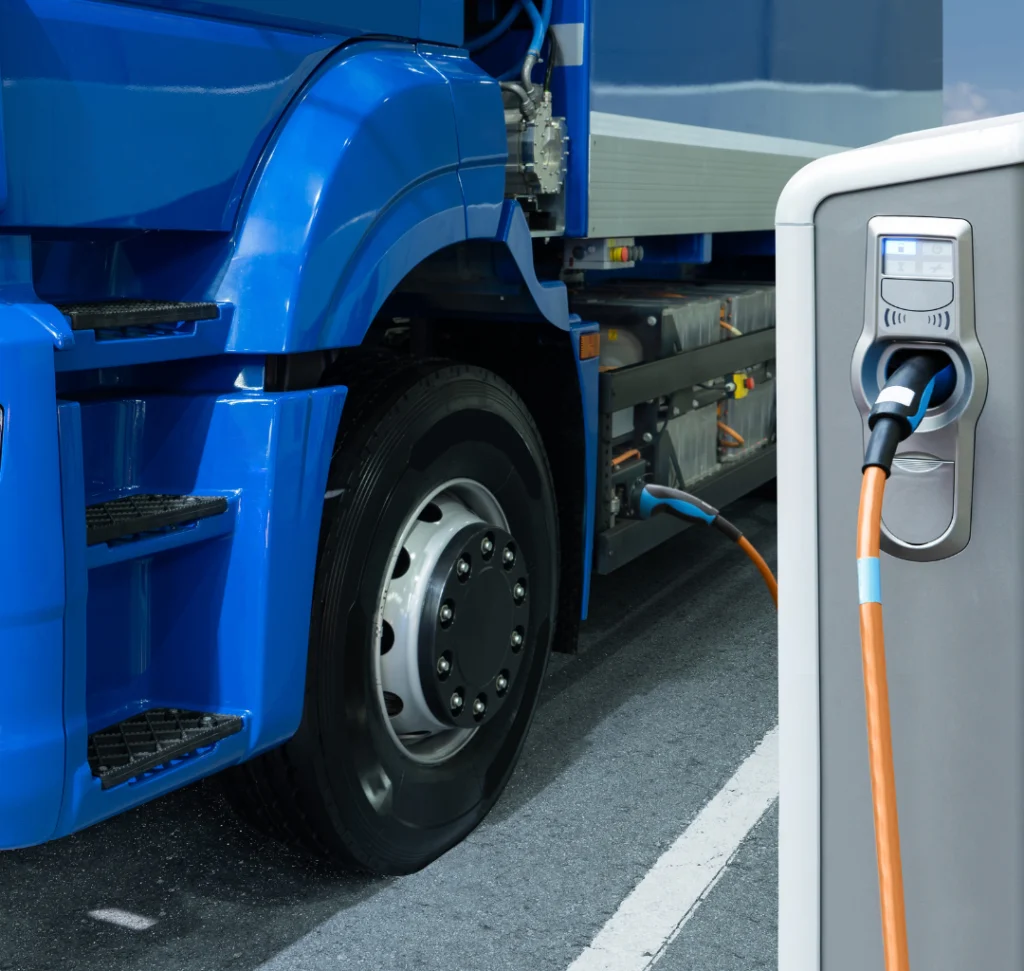
The Phase 3 GHG rule, established by the EPA in 2024, required that 25% of heavy-duty trucks sold in the U.S. be zero-emission by 2032. This was part of the Biden-era “Clean Trucks Plan,” which also included strict limits on nitrogen oxides (NOx) starting in 2027.
However, in the official statement announcing the bill, Zeldin declared that the Trump EPA “proposes to end 16 years of uncertainty for manufacturers and consumers.” He also criticized previous administrations, claiming that this repeal could eliminate over one trillion dollars in “hidden taxes” and do away with GHG regulations for light-, medium-, and heavy-duty vehicles, including the 2010 and 2011 standards and credits for technologies such as the start-stop system.
Members of transportation industry associations had previously expressed dissatisfaction with the GHG3 rule. For example, Jim Mullen, director of the Clean Transport Coalition, considers GHG3 an “unattainable” rule that would harm the supply chain and increase prices.
Meanwhile, Chris Spear, president of the American Trucking Association (ATA), described the rule as an “electric truck mandate” that “drives the industry into economic ruin.” While he acknowledged the importance of reducing emissions, he criticized GHG3 for discouraging already available and economically viable technologies.
These opinions suggest that the Trump EPA’s decision might be the right one for the road transport sector. If approved, the proposal would eliminate all greenhouse gas standards for light-, medium-, and heavy-duty vehicles, as well as for heavy-duty engines.

Technical and commercial impact of GHG3
However, one issue remains unresolved: diesel engine manufacturers had already redesigned entire systems to comply with the 2027 standards, including new oil categories, aftertreatment systems, and electrical components. Some manufacturers have stated that their engines will be ready regardless of federal mandates.
The 2027 Low-NOx rule, also under review, increased durability and warranty requirements, which directly affect fleet operating costs. If Zeldin’s proposal is approved, early purchases of 2027 trucks may slow down—especially amid the industry’s ongoing economic crisis.

Father’s Day 2026: Gift Ideas for Truck Driver Dads
Choosing a gift tailored to their needs is a meaningful way to recognize their daily hard work. Happy Father’s Day!

917 New Truck Parking Spaces Coming to Florida’s I-4 Corridor
Five new truck parking expansion projects along I-4 in Florida, supported by a $180 million federal grant from the USDOT.

Alligator Alcatraz: How Detainees Are Transported in Hurricane Season
The preventive evacuation of detainees carried out by ICE at Alligator Alcatraz, Florida, involves a complex operation of convoys, vehicles, security personnel, and transportation routes.

What You Need to Know About Juneteenth 2026
Juneteenth honors the resilience, achievements, and contributions of African Americans. Here’s how people celebrate it.

In Brief: ELD, Fuel Prices, and Truck Recalls Are the Latest Transportation Updates
The latest trucking news covers ELD compliance changes, lower gasoline prices, and safety recalls impacting Mack and Volvo models.

32 Dead and 4 Plane Crashes in 4 Days Across the United States
Four major aviation accidents in just four days have reignited debate about air safety in the United States. Here’s what experts are saying.