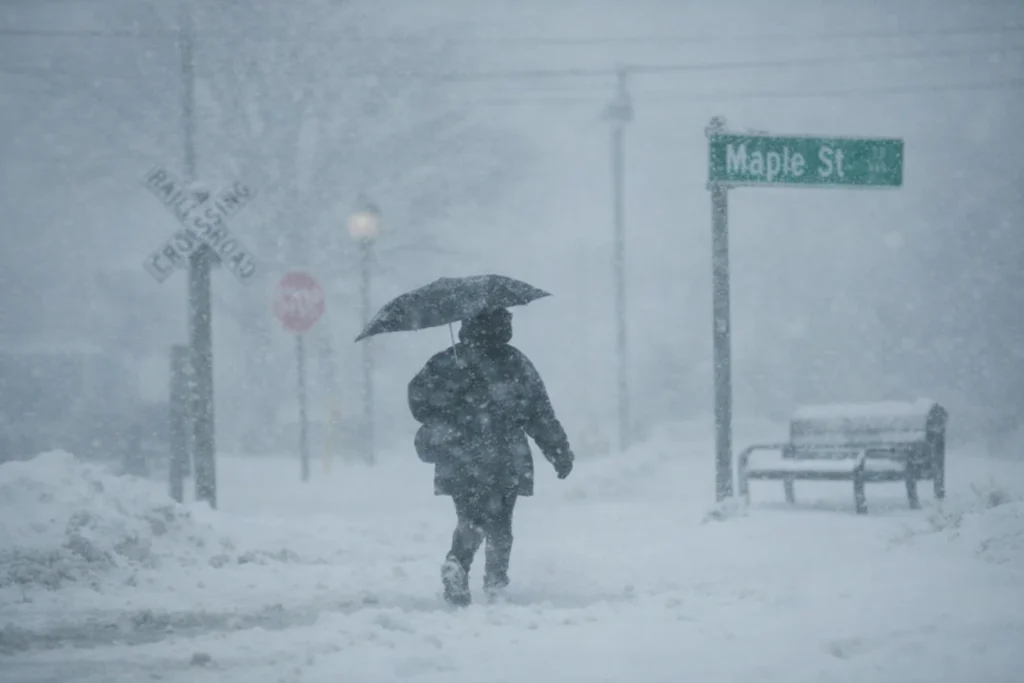
Snow, ice, strong winds, and low visibility are keeping major highways under active travel advisories. The alert now affects 25 states and calls for extra caution, especially among truck drivers and freight carriers operating along key corridors. This report includes safety recommendations for drivers.
A large winter storm system is spreading across much of the country, putting one of the most weather-sensitive industries on high alert: freight transportation.
At least 25 states are currently under various levels of weather advisories due to a combination of heavy snowfall, ice accumulation, strong wind gusts, and subfreezing temperatures. This mix is significantly complicating road conditions and increasing the risk of crashes along major freight corridors.
For professional drivers, these systems mean far more than slick pavement. They create rapidly changing conditions, where a clear stretch of highway can become hazardous within hours. Once again, planning and informed decision-making are the keys to staying safe.
Most Affected Regions
While the storm is impacting a wide portion of the country, some areas are experiencing more severe and persistent conditions.
Great Lakes Region
States including Michigan, Indiana, Ohio, Wisconsin, and Illinois are seeing intense snowfall enhanced by the so-called lake-effect snow. This phenomenon can cause sudden and heavy accumulations, turning drivable roads into near-whiteout conditions in a short amount of time. Visibility drops quickly, and pavement stability becomes unpredictable.
Mountain Regions
Higher-elevation areas, including parts of the Rockies and the Appalachians, pose some of the toughest challenges for heavy trucks. Steep grades, crosswinds, persistent ice, and potential preventive closures require constant attention—and often force drivers to reroute or delay trips.
Northeast
From Pennsylvania through New England, the mix of snow, freezing rain, and plunging temperatures is creating highly unstable driving conditions. In these areas, the biggest threat is black ice, which remains nearly invisible and is responsible for countless winter accidents each year.
Interior South
While snowfall totals are lower, several interior southern states are dealing with sharp temperature drops. This leads to overnight pavement freezing, especially on bridges, ramps, and shaded stretches, where the risk of losing control is highest.
Understanding Weather Alerts
During major winter events, authorities issue different types of alerts that drivers should take seriously:
Winter Storm Watch: Severe conditions are possible within the next 24 to 48 hours.
Winter Storm Warning: Hazardous conditions are occurring or imminent.
Winter Weather Advisory: Travel may be difficult, though not necessarily extreme.
Blizzard Warning: Snow, high winds, and near-zero visibility.
For freight operators, these alerts are more than technical labels—they are clear signals of when to slow down, reroute, delay a run, or stay off the road altogether.

#SevereWeather can strike any time of the year—even January! This @NOAA's #GOESEast time lapse from Jan. 8 - Jan. 10 shows the strong winter storm system that sparked severe thunderstorms across the eastern U.S. More than 20 #tornadoes were reported, along with large #hail and… pic.twitter.com/T4Ahpqpyn5
— NOAA Satellites (@NOAASatellites) January 13, 2026
Why These Conditions Are Especially Dangerous for Trucks
A tractor-trailer does not respond like a passenger vehicle. Its weight, length, and center of gravity amplify every mistake. In winter conditions, the main risks include:
Significantly longer stopping distances
Loss of traction on grades and curves
Instability from crosswinds
Increased driver fatigue
Slide-offs in rest areas, shoulders, and ramps
On top of that, pressure to meet delivery windows often pushes drivers into risky decisions. In winter, that pressure can be costly.
Safety Recommendations for Drivers
Before You Head Out
Check local and state-level forecasts—not just your departure point.
Review interstate conditions and mountain pass reports.
Carry chains, cold-weather gear, food, water, flashlights, and backup batteries.
Inspect brakes, tires, lights, and fluid levels.
Notify dispatch of possible delays or alternate routes.
While on the Road
Slow down, even if the pavement looks clear.
Increase following distance.
Avoid sudden steering or braking maneuvers.
Use engine braking gently.
Keep low beams on, even during daylight hours.
If visibility drops to dangerous levels, pull over in a safe location.
For Fleets and Dispatchers
Build realistic winter schedules.
Maintain constant communication with drivers.
Prioritize safety over delivery times.
Consider preventive route closures when risks escalate.
Logistics Impact
Storms of this magnitude create a domino effect: partial closures, congestion, re-routing, and bottlenecks across logistics hubs. Distribution centers and industrial zones often experience backups as delays compound.
For drivers, this means longer wait times, higher fuel consumption, and extended shifts. Real-time information becomes essential for avoiding danger zones and staying productive.
What to Expect Next
Meteorologists say this system will continue moving from west to east, with varying intensity by region. Some areas may see brief improvements, but additional cold fronts could refreeze pavement overnight.
In winter weather events like this, stability is the exception—not the rule.

Jerome Powell under investigation as tensions between Trump and the Fed escalate
The investigation into Powell has raised global concerns over a potential threat to the independence of the U.S. central bank. In the new episode of

Road Alert: 25 States Under Extreme Driving Conditions
Snow, ice, strong winds, and low visibility are keeping major highways under active travel advisories. The alert now affects 25 states and calls for extra caution, especially among truck drivers and freight carriers operating along key corridors.

Human Trafficking: A Nationwide Call to Action on America’s Roads
Human trafficking is the focus of a nationwide awareness week aimed at educating truck drivers, motor carriers, law enforcement, and the public about human trafficking, how to spot the warning signs, and what to do if someone may be in danger.

TAA Compliance: When Safety Complaints Turn Into Six-Figure Losses
STAA compliance is no longer a technical detail for fleet owners—it is a financial, legal, and insurance exposure. A recent enforcement action in Texas shows how mishandling safety complaints can lead to termination claims, retaliation findings, and six-figure penalties, and what carriers must do to avoid becoming the next case

U.S. labor market raises red flags on Wall Street
The U.S. labor market closed 2025 with clear signs of weakening, as evidenced by the latest employment data released in December. In the latest episode

DOT finds half of North Carolina CDLs were issued illegally
The DOT warns that half of North Carolina’s CDL licenses are irregular after a federal audit uncovered serious compliance failures. The findings directly affect truckers, fleets, and transportation companies, raising urgent questions about road safety, legal operations, and the future of the trucking industry.