The forecast from America’s most famous groundhog is calling for more winter — and that’s an important signal for the trucking industry and cold-season route planning
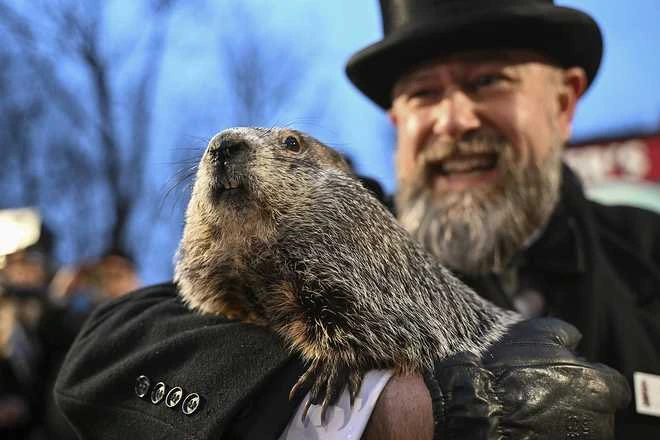
Every February 2, attention across the United States turns to a small town in Pennsylvania, where a groundhog named Punxsutawney Phil emerges from his burrow and, according to tradition, “predicts” how long winter will last.
This event, known as Groundhog Day, is a popular celebration with European roots that evolved into a uniquely North American cultural tradition. While it’s not a scientific forecasting method, its message often lines up with a reality truck drivers know well: in much of the country, winter is far from over.
Punxsutawney Phil saw his shadow, predicting six more weeks of winter. #GroundhogDay pic.twitter.com/Uky7fg1UBr
— The Weather Channel (@weatherchannel) February 2, 2026
What Does It Mean When the Groundhog Sees His Shadow?
The rule is simple:
If Phil sees his shadow (clear skies), he gets scared and goes back into his burrow → six more weeks of winter
If he does not see his shadow (cloudy skies), it’s interpreted as an early spring
When the announcement is “there is a shadow,” as it was this year, the symbolic message is clear: cold weather will continue to dominate U.S. roadways.
For the transportation industry, that’s more than folklore. It’s a seasonal reminder that February and March remain critical months for road safety and logistics.
More Winter = More Challenges for Trucking
Six additional weeks of winter conditions bring a combination of factors that directly affect truck drivers and fleet operations.
Slippery Roads
Black ice, packed snow, and wet pavement significantly increase the risk of skidding, loss of traction, and much longer stopping distances — especially with heavy loads. Even treated highways can quickly refreeze overnight.
Closures and Restrictions
Winter storms can trigger temporary highway closures, chain control requirements in mountain regions, and mandatory detours that disrupt delivery schedules. A single storm system can ripple across multiple states, complicating long-haul planning.
Increased Equipment Wear
Extreme cold affects batteries, air brake systems, tires, and fuel efficiency. Diesel gelling, frozen air lines, and low tire pressure become more common. Thorough pre-trip inspections are even more important during prolonged cold spells.
Tighter Delivery Windows
Bad weather slows the entire supply chain. Distribution centers, intermodal yards, and warehouses may operate with delays due to staffing shortages, snow removal, or local road conditions. That pressure often lands on drivers trying to stay on schedule in unsafe conditions.

A Seasonal Wake-Up Call for the Industry
Even though the groundhog’s forecast is symbolic, its timing is meaningful. By early February, many fleets have already pushed through multiple winter storms — but the most unpredictable stretch of winter may still be ahead.
For trucking companies and owner-operators, this is an ideal moment to reinforce:
Alternate route planning
Winter driving protocols for ice and snow
Tire condition checks and proper use of chains
Consistent communication with dispatchers and customers
Groundhog Day acts almost like a mental reset — a reminder not to let your guard down just as winter fatigue starts to set in.
Safety First in the Weeks Ahead
If winter lingers, the top priority on the road stays the same: arrive safely, not quickly. Reducing speed, increasing following distance, and avoiding sudden maneuvers can make the difference between a routine run and a serious incident.
Drivers should also pay special attention to:
Bridges and overpasses, which freeze before the rest of the roadway
Shaded stretches on rural highways where ice lingers longer
Tunnel exits, where pavement temperature can change suddenly
These micro-conditions are often where winter crashes happen — even when the main highway looks clear.
A Quirky Tradition With a Very Real Message
Groundhog Day may look like a charming ceremony with top hats and fanfare, but this year’s message connects directly to the reality of transportation: winter isn’t done yet.
For truck drivers, that means more planning, more patience, and a sharper focus on safety. While Phil heads back into his burrow, thousands of drivers continue crossing the country, making sure freight arrives no matter the forecast.
And if the groundhog is right, the next six weeks will demand exactly that: professionalism, preparation, and respect for one of the most challenging seasons on the road.

Lunar New Year 2026: Ancient Traditions, Renewed Energy, and Massive Celebrations
Lunar New Year 2026 begins on February 17 under the sign of the Fire Horse and is marked by spiritual rituals, family reunions, and large-scale celebrations in both China and the United States, especially in California.

Freedom 250 Grand Prix: How Logistics and Transportation Will Power the Race in Washington
The first-ever IndyCar street race in Washington, D.C., scheduled for August 21–23, will headline the United States’ 250th anniversary celebrations — and it will trigger a massive transportation, freight, and urban logistics operation behind the scenes.

Groundhog Day: What It Means for Trucking When “Phil Sees His Shadow”
The forecast from America’s most famous groundhog is calling for more winter — and that’s an important signal for the trucking industry and cold-season route planning

Love on the open road: the best dating apps for truckers
If you’re looking for someone to go the long haul with, here are the best dating apps for truck drivers. They say love is everywhere…

The most congested cities in the U.S. and the world in 2025
The annual TomTom Traffic Index produces a ranking of the most congested cities in the world. The annual TomTom Traffic Index presents an analysis of

Steady Growth Signals Strong Momentum in the U.S. Trucking Industry
Trucking growth in the United States is gaining strength in 2026, driven by higher freight demand, expanding logistics activity, and new opportunities for carriers and fleet operators.