 Hable con un agente al (888) 572-7520
  Enviar mensaje a un agente

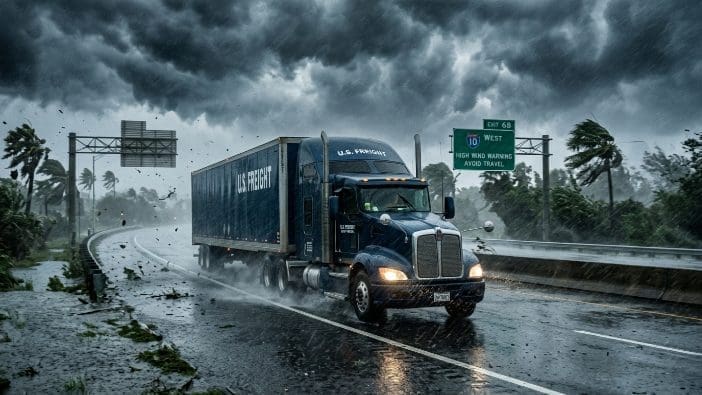

Weather has always influenced trucking in the United States, but in recent years it has shifted from a periodic concern to a structural risk factor. More intense storms, prolonged heat waves, off-season snowfalls, and increasingly frequent extreme events are changing how trucks operate, redefining which routes are considered safe, and forcing fleets and drivers to rethink long-established strategies.
This shift is not only affecting road safety—it is also reshaping operational costs, route planning, and how insurance risk is calculated. What once appeared as short-term disruption is now a long-term transformation of the U.S. freight landscape.
More frequent and less predictable extreme events
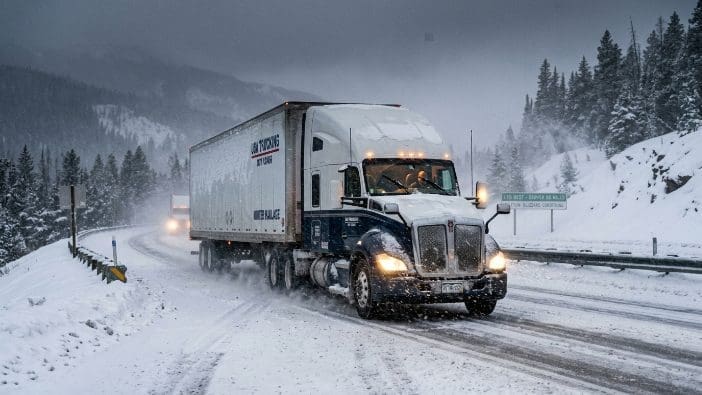
One of the most significant challenges is the growing intensity and frequency of extreme weather. Severe storms across the Midwest, stronger hurricanes in the South, and heavy rainfall in regions that historically saw milder conditions are creating ongoing disruptions in logistics networks.
For drivers, this means facing more hazardous conditions with less predictability. Routes that were once considered stable can quickly become dangerous, affecting visibility, road traction, and vehicle stability—especially for heavy-duty trucks.
At the operational level, companies must build greater flexibility into planning. Delays are no longer exceptions; they are part of a system where weather can disrupt schedules at any point along the route.
Emerging risk zones across the freight map
The impact of weather extends beyond visible extreme events. It is also reshaping the geography of risk in more subtle but equally important ways.
Regions that historically offered stable conditions are now experiencing atypical weather patterns, including flash flooding, early freezes, and large-scale wildfires. This forces fleets to reassess traditional routes and identify new high-risk corridors.
Wildfires in western states, for example, not only block road access but also reduce air quality and visibility, increasing risk for drivers. Meanwhile, flooding across southern and central states affects critical freight corridors, leading to detours and longer transit times.
In this new environment, route planning can no longer rely solely on distance and fuel efficiency. It must incorporate dynamic weather-related risk factors.
A direct impact on road safety
Weather remains one of the most critical contributors to roadway incidents, and increasing volatility is raising the risk level for trucking operations.
Heavy rain increases the likelihood of hydroplaning, snow reduces traction, and strong crosswinds can destabilize large trucks, particularly on open highways. Extreme temperatures also affect vehicle performance, from tire wear to mechanical failures in critical systems.
Together, these factors elevate the probability of accidents, putting drivers at greater risk while also exposing companies to higher costs, including cargo damage, operational disruptions, and potential legal claims.
Rising pressure on costs and efficiency
Climate-related disruptions are also directly impacting the cost structure of freight transportation. Route diversions, weather-related delays, and increased maintenance needs all drive up operating expenses.
At the same time, fleets are investing more in weather monitoring tools, advanced fleet management systems, and driver training programs to better handle adverse conditions. While necessary, these investments add to overall operational costs.
Unpredictable routes also affect delivery reliability—one of the most critical performance metrics in freight. Missed deadlines can result in contractual penalties and strained relationships with brokers and clients.
Insurance in a higher-risk environment
In this evolving landscape, insurance is playing an increasingly central role. Carriers are adjusting their risk models to account for more complex and variable weather patterns, which can influence premiums and coverage conditions.
Factors such as operating regions, route exposure, and frequency of extreme weather events are becoming more significant in underwriting decisions. As a result, trucking companies need to be more strategic in managing their risk profiles.
Preventive measures—such as real-time monitoring, driver safety training, and proactive route adjustments—not only reduce the likelihood of incidents but can also help improve insurance outcomes over time.
Adaptation as a competitive advantage
While the changing climate presents clear challenges, it also creates opportunities for companies that adapt quickly. Integrating weather data into decision-making allows fleets to anticipate disruptions, optimize routes, and enhance safety.
The ability to respond in real time, maintain operational continuity, and minimize risk is becoming a key competitive advantage in the freight sector.
In an environment defined by growing uncertainty, resilience is no longer optional—it is essential. Companies that treat weather as a core operational variable, rather than an external factor, will be better positioned to navigate the road ahead and sustain long-term growth.
 Business hours: Monday to Friday from 8:00 AM to 5:00 PM. California time