 Hable con un agente al (888) 572-7520
  Enviar mensaje a un agente


The 2026 FIFA World Cup, set to take place across the United States, Mexico and Canada, is expected to become the largest tournament in modern football history. With 48 national teams, millions of travelers and dozens of host cities, the event also represents one of the continent’s biggest logistical challenges in decades.
However, only weeks before kickoff, concerns are beginning to emerge across parts of the hospitality and logistics industries. While FIFA continues to project record-breaking economic results, hotel operators and transportation experts warn that the real scenario could be far more complex.
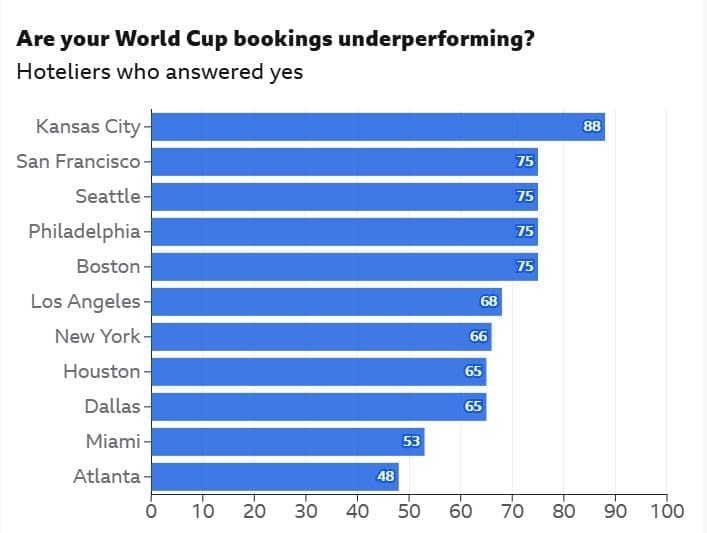
According to the American Hotel & Lodging Association (AHLA), hotel reservations in several host cities remain well below original expectations. The organization claims that up to 70% of the hotel rooms previously blocked by FIFA in cities such as Boston, Dallas, Los Angeles, Philadelphia and Seattle were later released or canceled, creating uncertainty throughout the tourism and operations sectors.
A Massive Logistics Operation
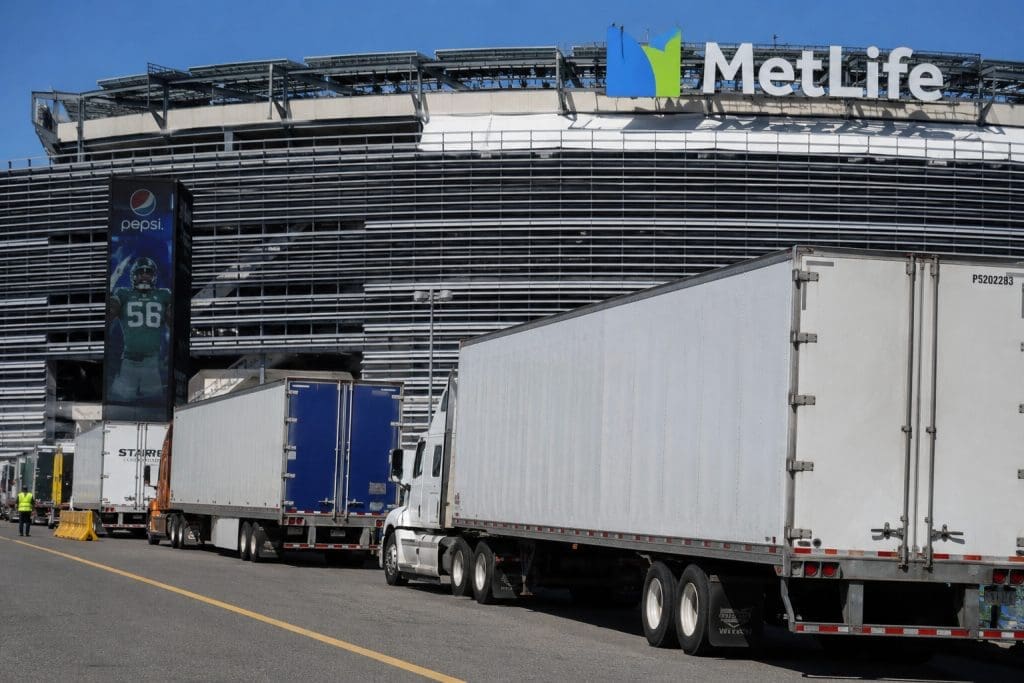
Beyond the matches themselves, the 2026 World Cup will trigger an enormous logistics operation involving:
- Ground transportation for millions of passengers
- Food and beverage distribution
- Stadium security and equipment
- Hotel and airport restocking
- Continuous movement of buses, trucks and freight vehicles
Authorities in cities such as Dallas, New York, Atlanta and Los Angeles are already forecasting significant increases in traffic congestion, delivery delays and fuel demand throughout June and July.
For the U.S. trucking and logistics industries, the tournament could represent both an opportunity and a major operational challenge.
Transportation companies expect higher activity tied to catering, merchandising, event supply chains and hospitality services. At the same time, they also anticipate:
- extreme traffic conditions,
- longer idle times,
- higher fuel consumption,
- temporary restrictions on urban freight routes,
- and rising operating costs.
The pressure is expected to be particularly intense along strategic freight corridors such as I-95, I-10, I-35 and I-5, where tourism traffic, local transportation and commercial freight operations will overlap simultaneously.
High Prices, Lower Occupancy
The AHLA argues that many hotels made investments and staffing decisions based on FIFA’s economic projections. The issue, according to the association, is that a large portion of the expected international demand has yet to materialize.
Although FIFA says it has already sold more than five million tickets, hotel operators claim this has not translated into real occupancy levels.
Industry analysts point to several factors behind the slowdown:
- expensive match tickets,
- high hotel prices,
- costly domestic transportation,
- additional taxes and fees,
- and broader economic pressures affecting international travelers.
In cities like Boston, hotel rates still exceed USD 300 per night, pricing many fans out of the market. As a result, travelers are increasingly choosing Airbnb properties, accommodations farther from city centers, rental vehicles and shorter stays.
Airbnb itself has stated that the 2026 World Cup could become “the largest accommodation event in the platform’s history.”
Pressure on Freight and Supply Chains
For logistics operators and fleet companies, the tournament arrives during an already delicate moment for the U.S. economy.
The trucking industry continues to face:
- cost pressure,
- fuel volatility,
- maintenance challenges,
- and worsening congestion in major metropolitan areas.
The World Cup could intensify many of these issues, especially in urban logistics hubs and port-connected regions. Experts also expect supply chains to reorganize delivery schedules in order to avoid disruptions around stadiums, fan zones and airports.
In some markets, companies are already evaluating:
- overnight deliveries,
- alternative freight routes,
- and temporary storage facilities near host venues.
FIFA Remains Optimistic
Despite criticism from hotel industry groups, FIFA rejected AHLA’s interpretation and stated that all room releases were conducted according to contractual agreements.
The organization maintains that the World Cup will still generate enormous economic benefits and points to previous studies estimating:
- 185,000 jobs,
- and an additional USD 17.2 billion contribution to U.S. GDP.
Even so, caution remains widespread among hospitality operators. Many expect the knockout stages to trigger a late wave of reservations, something commonly seen in international tournaments where fans wait for matchups and results before confirming travel plans.
A Historic Event Facing Economic Reality
The 2026 FIFA World Cup promises to break sporting and commercial records, but it also highlights a growing reality surrounding major international events: rising costs, changing travel habits and new accommodation models are reshaping traditional economic expectations.
For the U.S. logistics industry, the tournament will become a major operational stress test.
And for hotels, airlines, trucking fleets and transportation companies, the coming weeks may determine whether the World Cup ultimately becomes the economic boom many expected — or a far more complicated event than originally projected
 Business hours: Monday to Friday from 8:00 AM to 5:00 PM. California time