 Hable con un agente al (888) 572-7520
  Enviar mensaje a un agente



For many trucking companies in Washington, insurance is often viewed as just another operating expense—something required by law that needs to be renewed every year. In reality, commercial truck insurance has become one of the most important financial tools for protecting a transportation business. Rising repair costs, increasingly complex cargo operations, larger court verdicts, more sophisticated cargo theft, and tighter underwriting standards have transformed the way insurers evaluate risk. Today, a policy that looked adequate just a few years ago may leave a carrier dangerously exposed.
Washington Is a Different Insurance Market
Washington presents a unique operating environment within the U.S. trucking industry. The state combines major international ports, cross-border freight with Canada, mountain corridors, dense metropolitan traffic, agricultural transportation, hazardous cargo movements, and long-distance interstate operations. Each of these factors affects how insurers calculate premiums and determine coverage eligibility. Yet many carriers continue making insurance decisions based solely on finding the lowest price, often overlooking critical policy details that only become apparent after a claim.
Mistake #1: Choosing Insurance Based Only on Price
One of the most common mistakes is purchasing coverage based exclusively on premium cost. While saving money is important for any fleet or owner-operator, the least expensive policy is not always the most economical in the long run. Lower premiums frequently come with higher deductibles, reduced cargo limits, exclusions for certain types of freight, or endorsements that significantly limit protection. When a serious accident occurs, the apparent savings can quickly disappear if the policy does not respond as expected.
Mistake #2: Not Updating Business Operations
Another frequent problem is failing to update the insurance company when business operations change. Many carriers begin transporting different commodities, expand into new states, add drivers, purchase additional tractors or trailers, or start working with ports and intermodal facilities without notifying their insurance broker. Insurers evaluate risk based on the information provided during underwriting, and substantial operational changes can affect both pricing and coverage. If those changes are not properly disclosed, disputes may arise during the claims process, potentially delaying payments or reducing available coverage depending on the circumstances.
Mistake #3: Assuming Cargo Insurance Covers Everything
Cargo coverage is another area where misunderstandings are common. Many trucking companies assume that having cargo insurance automatically protects every shipment they haul. In practice, cargo policies often contain exclusions or limitations for certain commodities, temperature-sensitive freight, electronics, pharmaceuticals, hazardous materials, high-value products, or specialized equipment. Washington carriers serving the Ports of Seattle and Tacoma frequently move imported goods with substantial values, making accurate cargo limits particularly important. A single underinsured shipment can expose a carrier to losses that far exceed the premium savings achieved by purchasing minimal coverage.

Mistake #4: Ignoring Driver Quality
Driver management also plays a larger role in insurance pricing than many fleets realize. Underwriters carefully examine motor vehicle records, years of commercial driving experience, prior claims, safety violations, and hiring practices. Companies that fail to maintain consistent driver qualification files or continue employing drivers with repeated violations often experience significantly higher premiums during renewal. In today’s insurance market, a carrier’s safety culture has become almost as important as its loss history.
Mistake #5: Overlooking Safety Technology
Technology has emerged as another factor separating lower-risk fleets from higher-risk operations. Dash cameras, electronic logging devices (ELDs), GPS tracking, collision mitigation systems, telematics, and driver coaching programs increasingly influence underwriting decisions. Although these technologies require investment, many insurers recognize that they help reduce both accident frequency and claim severity. Fleets that continue operating without modern safety systems may find themselves at a competitive disadvantage when seeking favorable insurance terms.
Mistake #6: Underinsuring Equipment
Another costly oversight involves inadequate physical damage coverage. Truck values have increased substantially over recent years due to higher equipment prices, inflation, and supply chain disruptions. Some carriers continue insuring tractors and trailers based on outdated valuations established years earlier. If a vehicle is declared a total loss, insufficient insured values may leave the owner responsible for replacing equipment at today’s much higher market prices.
Mistake #7: Not Reading Policy Endorsements
Many smaller carriers also underestimate the importance of reviewing policy endorsements and exclusions before signing renewal documents. Commercial insurance contracts often contain endorsements that modify standard coverage, introduce specific exclusions, or establish additional reporting requirements. These provisions can significantly change how a policy responds after an accident. While the declarations page summarizes coverage limits, the endorsements frequently determine whether a particular claim will ultimately be paid.
Mistake #8: Delaying Claims Reporting
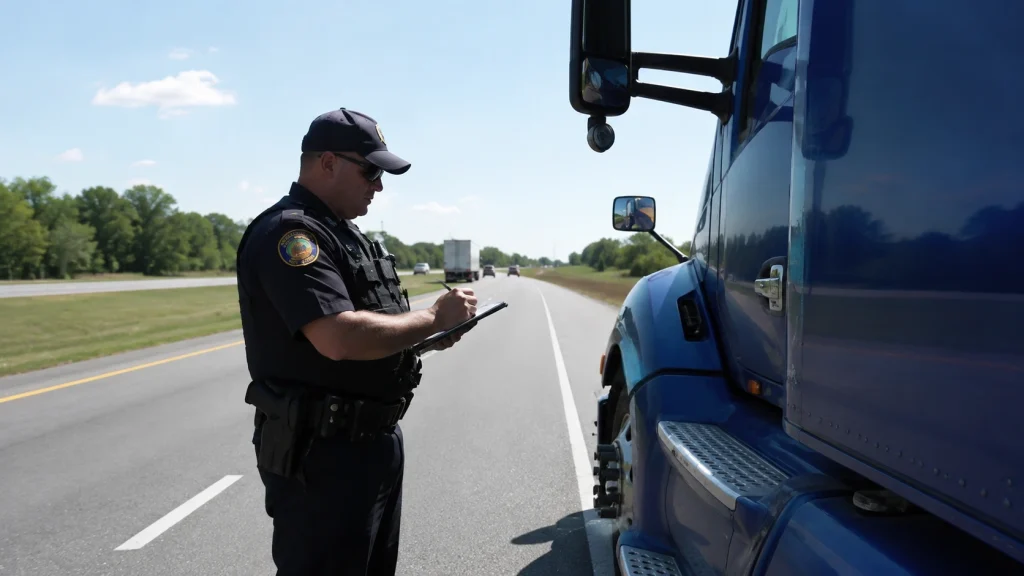
Claims reporting is another area where avoidable mistakes occur. Some companies attempt to investigate incidents internally before notifying their insurer, believing that delaying the report will reduce premium increases. In reality, prompt claims reporting allows insurers to preserve evidence, interview witnesses, coordinate repairs, manage legal exposure, and begin claims handling while information remains fresh. Delayed reporting can complicate investigations and, in some situations, negatively affect claim resolution.
Risk Management Is Becoming a Competitive Advantage
Insurance professionals also note that many carriers review their policies only at renewal time, missing opportunities to improve their risk profile throughout the year. Regular safety meetings, documented maintenance programs, driver training initiatives, cargo security procedures, and accident prevention strategies not only reduce operational risk but also strengthen a company’s position during underwriting negotiations. Increasingly, insurers reward fleets that demonstrate proactive risk management rather than simply reacting after losses occur.
Washington’s evolving freight environment makes periodic insurance reviews even more valuable. Port operations, international trade patterns, changing cargo flows, evolving regulations, and rising litigation costs continue reshaping the commercial transportation industry. As underwriting becomes increasingly data-driven, carriers that maintain accurate operational information, invest in safety technology, train drivers effectively, and work closely with experienced transportation insurance specialists are generally better positioned to secure competitive coverage while protecting the long-term financial stability of their businesses.
The Bottom Line
Ultimately, commercial truck insurance should not be viewed merely as a regulatory requirement but as a strategic component of business management. The most expensive insurance mistake is rarely paying a higher premium—it is discovering after a serious accident that the policy purchased to protect the business was never designed for the risks the company actually faced. For Washington carriers operating in one of the nation’s most dynamic freight markets, careful policy reviews, specialized insurance advice, and a proactive approach to risk management have become just as essential as preventive maintenance and safe driving.
 Business hours: Monday to Friday from 8:00 AM to 5:00 PM. California time