 Hable con un agente al (888) 572-7520
  Enviar mensaje a un agente


Nevada is growing, and its transportation infrastructure is trying to keep up. The arrival of new industries, the expansion of logistics hubs, renewed momentum in mining and population growth are putting increasing pressure on the highways used by thousands of commercial vehicles every day.
For the trucking industry, that challenge is especially visible in Northern Nevada, where key freight corridors connect Reno with major industrial and distribution centers.
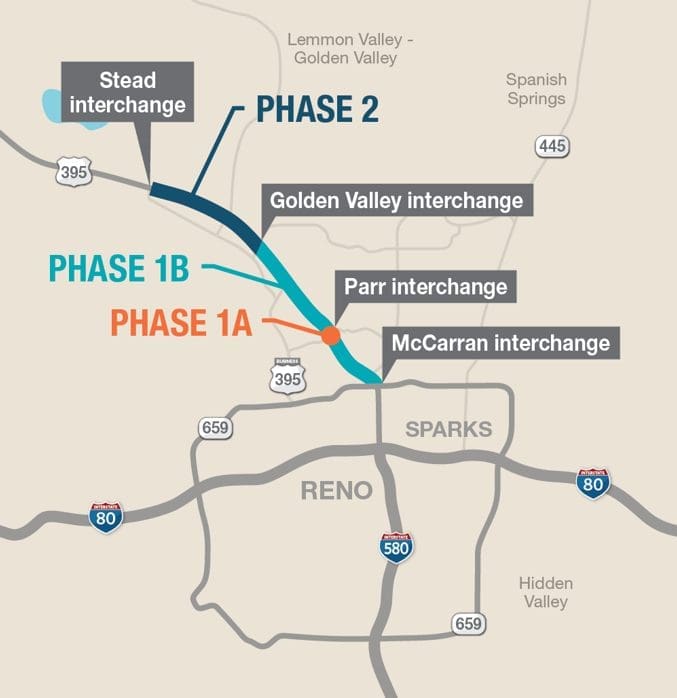
The Nevada Department of Transportation (NDOT) acknowledges that one of its biggest challenges is increasing highway capacity while continuing to maintain existing infrastructure. Current projects include widening US 395 north of Reno, bridge work along I-80 and improvements aimed at reducing congestion in Las Vegas.
Economic growth is also changing where and how freight moves across the state.
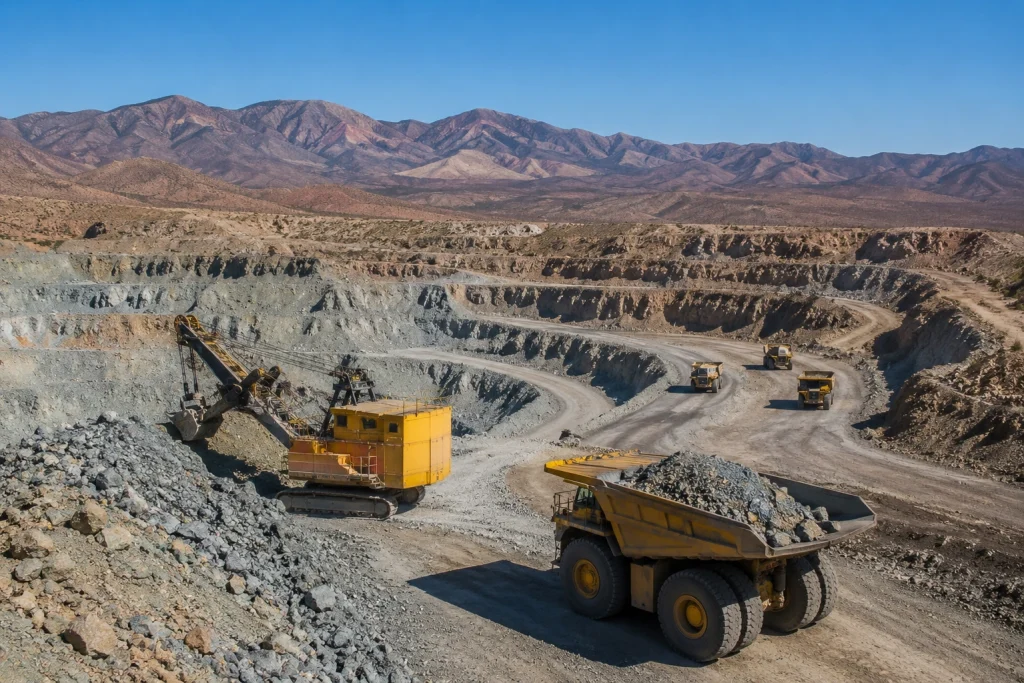
Nevada has significant deposits of critical minerals and is experiencing renewed mining activity. At the same time, new technology companies and industrial operations are establishing a presence across the state. All of that generates demand for the movement of materials, equipment, supplies and finished products — much of it dependent on trucks.
NDOT itself recognizes that one of the challenges will be supporting that economic development without allowing increased heavy-truck traffic to place excessive pressure on small rural communities.
I-80 and US 395: Two Corridors Under Pressure
One of the most critical areas is Northern Nevada.
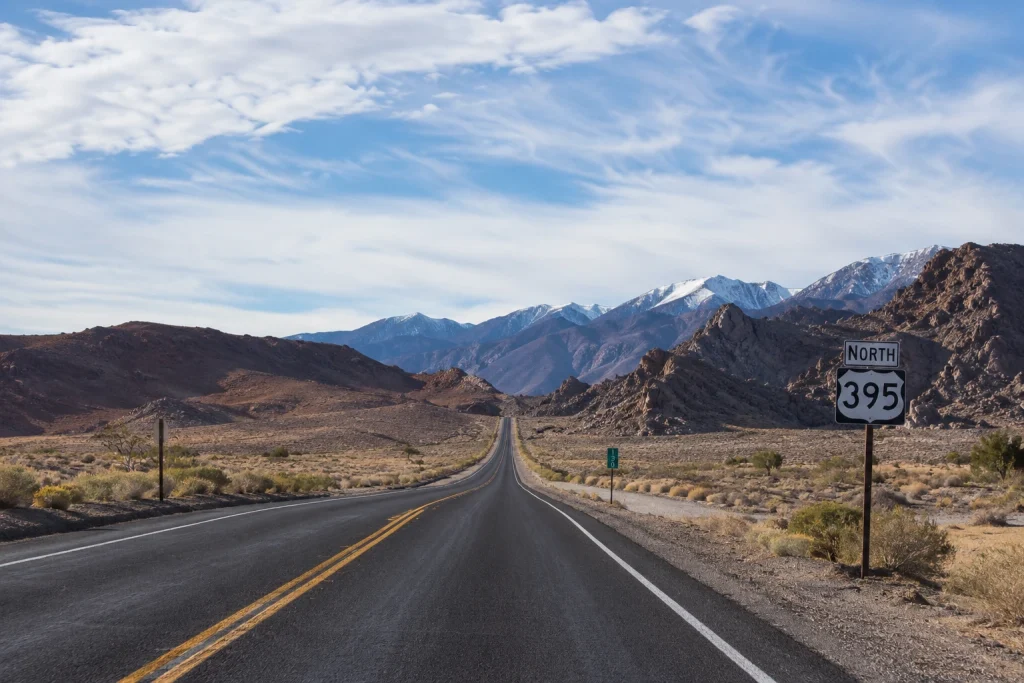
US 395 North runs through an area that includes distribution centers and major logistics operations. NDOT is working to expand the highway to accommodate growing traffic volumes.
The situation is even more challenging along I-80 East, which connects Reno with the Tahoe-Reno Industrial Center (TRIC), one of the region’s largest industrial hubs.
The complex is located about 14 miles east of Reno and supports an estimated 20,000 to 30,000 jobs. Expanding highway capacity in the corridor, however, presents geographic challenges. In some areas, the interstate is constrained by mountainous terrain and steep grades that make widening difficult.
For truckers, this matters because I-80 is a critical freight connection across Northern Nevada and between the state and other parts of the West.
More industrial activity means more trucks using infrastructure that, in some areas, is already facing capacity constraints.
Building Roads Is Getting More Expensive
The second major challenge is funding.
Nevada finances much of its highway infrastructure through state and federal funding, including revenue tied to fuel taxes. But the structure of the state fuel tax has remained largely unchanged since the early 1990s.
NDOT receives 17.65 cents for every gallon of fuel sold, regardless of how much that gallon costs.
While revenue has failed to keep pace, construction costs have soared. According to officials cited in the report, the cost of materials used in major infrastructure projects has increased by 310%.
As a result, some projects that once could have moved forward on a much shorter timeline are now being pushed back to 2030 or even 2035.
Another structural change is adding pressure: the growing number of electric and hybrid vehicles is gradually reducing fuel-tax revenue, forcing transportation agencies to look for new ways to fund roads and infrastructure projects.
Building new roads is not cheap either. According to RTC Washoe County, constructing a road can now cost more than $10 million per mile.
Trucking Is Facing Challenges of Its Own
The pressure on Nevada’s infrastructure comes at a complicated time for trucking companies.
Paul Enos, CEO of the Nevada Trucking Association (NTA), said fuel remains one of the biggest expenses for carriers.
Many companies have struggled to build savings because a significant share of their revenue goes directly toward fuel costs.
But there is one positive sign: freight rates are rising.
According to Enos, spot rates — the prices negotiated to move individual loads outside long-term contracts — are showing year-over-year increases. That could provide some relief for carriers and owner-operators that have been operating on extremely tight margins in recent years.
The industry is also going through a period of increased federal enforcement.
The Nevada Trucking Association says tighter enforcement involving CDL schools and drivers who fail to meet federal requirements could improve highway safety while also reducing unfair competition.
Federal authorities have also taken action against platforms used to manipulate hours-of-service records in Electronic Logging Devices (ELDs), a practice that can allow drivers to stay behind the wheel longer than legally permitted and create an unfair advantage over carriers that follow the rules.
The NTA is also working with the Federal Motor Carrier Safety Administration (FMCSA) and has presented Administrator Derek Barrs with what it calls a “Trucking Resurgence Plan,” outlining proposed regulatory changes for the industry.
More Economic Activity Means More Opportunities for Trucking
Behind Nevada’s infrastructure challenges, however, is an opportunity.
Nevada needs to move more people, materials and freight.
Mining operations need machinery, fuel, components and material transportation. Industrial and technology facilities need equipment and supplies. Major distribution centers depend on efficient highway connections to move goods in and out of their facilities.
Even airports are part of this logistics network. Reno-Tahoe International Airport maintains cargo operations with UPS, FedEx and DHL, and airport officials have emphasized how local businesses depend on these services to ship products and receive components quickly.
Nevada’s growth, therefore, cannot be separated from transportation. The big question is whether its infrastructure can expand fast enough to keep pace.
For truckers traveling across the state — especially along I-80 and US 395 — the next several years will likely bring a combination of increased economic activity, highway expansion projects, construction zones and increasingly busy freight corridors.
Nevada wants to attract mining, technology, distribution and new investment. But all of those industries need one basic thing to operate: roads capable of moving freight.
And much of that freight will continue to move by truck.
 Business hours: Monday to Friday from 8:00 AM to 5:00 PM. California time