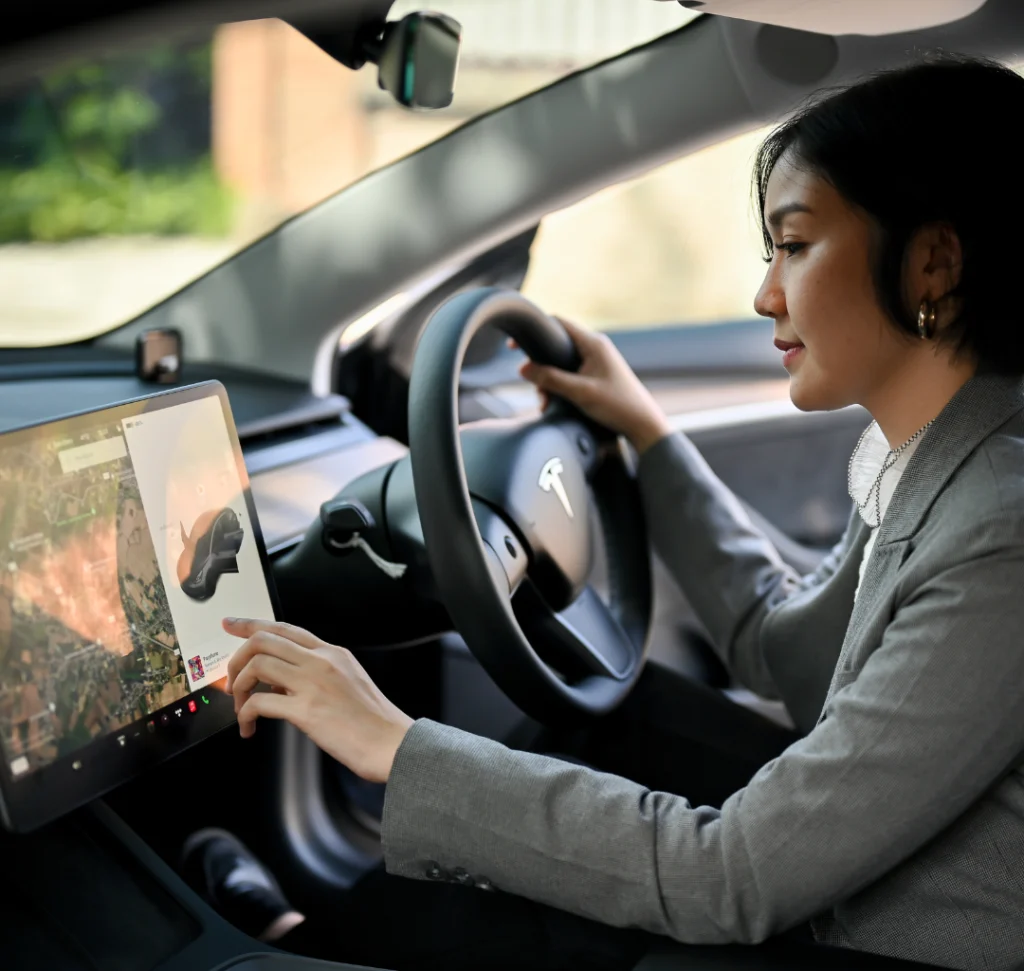
Tesla found partially liable in a fatal crash involving its Autopilot driver assistance system.
Tesla has been found partially responsible for a fatal crash involving its Autopilot driver assistance system, in a case already being described as the first “nuclear verdict” against autonomous vehicle technology. The ruling could have significant legal implications for the entire automotive industry as it moves toward greater automation.
A federal jury in Florida ruled that Tesla must pay 33% of a $129 million damages award, in addition to $200 million in punitive damages. The verdict relates to a 2019 crash in Key Largo, where a Tesla operating in Autopilot mode ran a stop sign and collided with a parked vehicle, resulting in one death and serious injuries to another person.

Autopilot: misleading advertising?
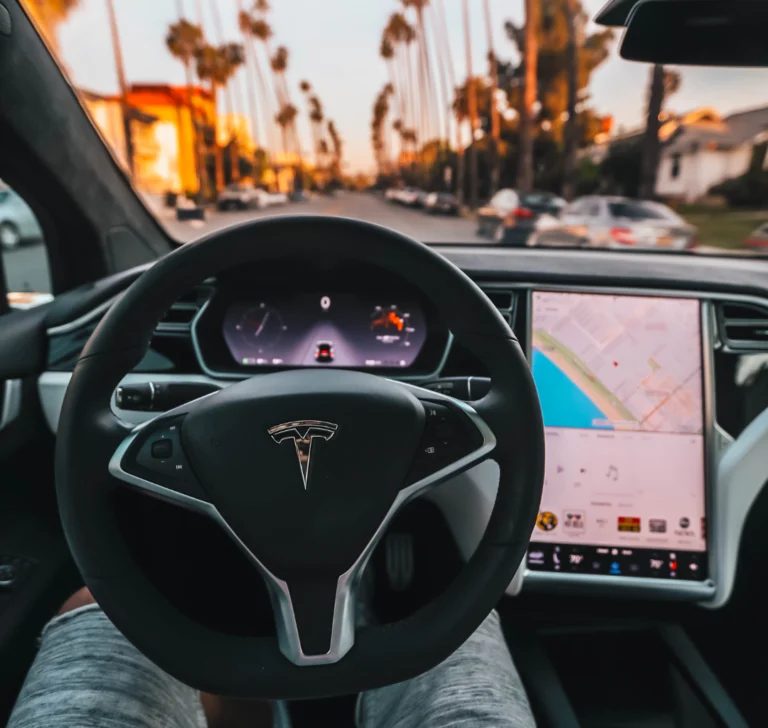
Tesla’s Autopilot system is a Level 2 driver assistance technology that includes features such as automatic steering, emergency braking, and collision warnings. Despite these capabilities, Tesla warns that drivers must keep their hands on the steering wheel at all times. However, the lawsuit related to the 2019 crash argues that the company made misleading and confusing statements about the system’s actual capabilities.
According to the plaintiffs, Tesla’s marketing promoted Autopilot as if it were a fully autonomous system. As a result, the driver was using their phone, believing the system would handle the situation entirely on its own, which tragically ended in a fatal accident. It is also alleged that Tesla was fully aware of the misuse of its technology by drivers but failed to implement effective measures to prevent it.
The jury agreed with the plaintiffs’ arguments, concluding that Tesla misled consumers about Autopilot’s capabilities — starting with the system’s very name. A key element in the case was a promotional video showing a Tesla navigating city streets without a driver. Elon Musk himself promoted the video, claiming the car was “driving itself (with no human input at all),” which, according to the plaintiffs, created a false perception and encouraged overreliance on a system that still requires active supervision.

A “nuclear verdict” that could change the industry
Despite years of controversy, investigations, and accidents involving Autopilot and Full Self-Driving, Tesla had so far avoided direct legal liability. However, this verdict could mark a turning point in the regulation of autonomous vehicles.
In recent years, the National Highway Traffic Safety Administration (NHTSA) has repeatedly investigated Tesla for misuse of its driver assistance systems. A 2021 report found that Tesla’s driver engagement monitoring was inadequate for the operational capabilities of Autopilot, creating a critical safety gap.
Following the verdict, Elon Musk stated on social media that the company will appeal the decision. The appeal will be reviewed by the Eleventh Circuit Court of Appeals, and its outcome could be pivotal for the future of autonomous driving in the United States.
In the meantime, legal experts and lawmakers note that this case could help establish a stricter legal framework for how automated driving systems are designed, marketed, and monitored.

Waymo under investigation for potential safety risk in school zones
A recent wave of videos has shown that some Waymo vehicles are not complying with safety regulations in school zones. The autonomous vehicle company Waymo,

Don’t Blame the Snow: The Real Causes Behind Winter Truck Accidents
Don’t Blame the Snow: Why Most Winter Truck Accidents Are Preventable

Mexico aligns with U.S. as new tariffs target Asian imports
Mexican lawmakers gave their final approval to the new tariffs on Asian imports, largely aligning themselves with the United States’ efforts to tighten trade barriers

Seven charged in New York CDL fraud case involving DMV employees
A group of DMV employees in New York allegedly manipulated the process of obtaining commercial driver’s licenses by allowing applicants who never showed up to

Transportation Seeks Proposals to Rebuild the American Legion Memorial Bridge
Transportation seeks proposals to rebuild the American Legion Memorial Bridge, repeating the call for proposals to address the most critical freight chokepoint on the East Coast. The initiative aims to attract ideas, financing models, and private-sector innovation to modernize a corridor that today imposes millions in delays on the trucking industry.
New action plan targets fraud, safety, and regulatory gaps in U.S. trucking
A roadmap to reform: how TAEC plans to eliminate fraud in American trucking A broad group of state trucking associations has published an action plan