State-level transport reforms and crude oil production levels
Michigan increases weight limit for electric trucks
Michigan will allow the use of heavier electric trucks on state roads under a new bill passed by the House of Representatives. On June 11, a vote was cast in favor of permitting electric trucks to weigh up to 82,000 pounds, compared to the current limit of 80,000 pounds.
Senate Bill 501, sponsored by Senator Darrin Camilleri, proposes that electric trucks be allowed to exceed axle weight and load limits by up to 2,000 pounds, although the total gross weight would remain capped at 82,000 pounds. This legislation is deemed essential to facilitate the transition to electric vehicles, as they require heavier equipment due to their batteries. Additionally, this weight exemption is already a common practice in other parts of the country for vehicles powered by alternative energies.
However, there are concerns about the impact on infrastructure. An analysis of the bill indicates that allowing heavier trucks could accelerate the deterioration of roads and bridges, necessitating increased funding for maintenance. Despite these concerns, SB501 has progressed in the Senate and is expected to gain approval in the House before being sent to the governor for enactment.

Oregon seeks CDL standard exemption for Freely Associated States
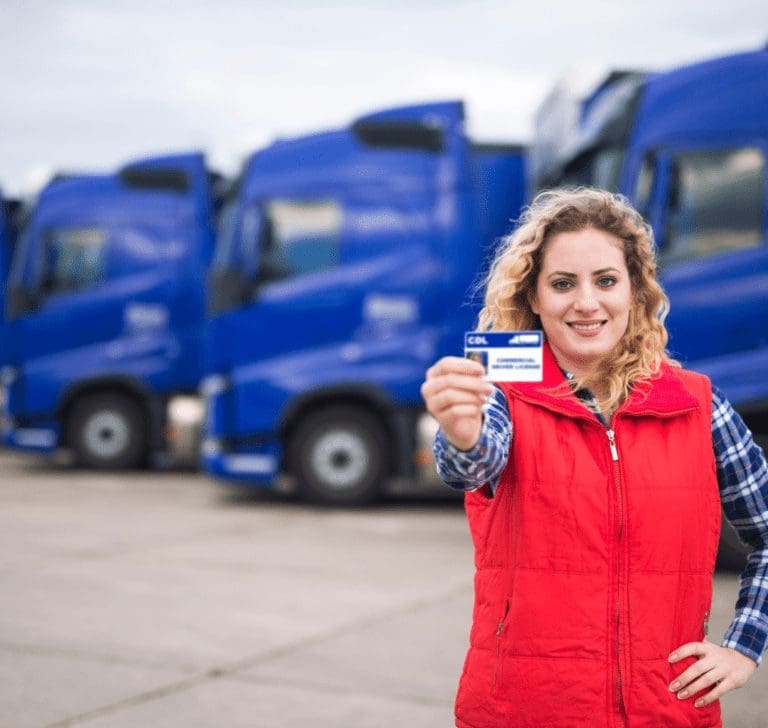
The Oregon Department of Transportation has requested a limited exemption from federal commercial driver’s license (CDL) regulations to facilitate the acquisition of these licenses by citizens of the Freely Associated States (Micronesia, Marshall Islands, and Palau) residing in Oregon. The exemption would allow issuing standard learner permits and CDLs to these individuals instead of non-domiciled versions.
According to the Federal Motor Carrier Safety Administration (FMCSA), which announced the request on June 11, these citizens can enter and work in the U.S. without a visa under Free Association agreements. Currently, CDLs are only issued to applicants who present proof of U.S. citizenship or permanent residency. However, based on the REAL ID Act, Oregon is asking the FMCSA to allow valid passports and Form I-94 as acceptable documentation for issuing licenses, thus simplifying the process for these citizens.

U.S. could witness an increase in crude oil production
The U.S. Energy Information Administration (EIA) forecasts an increase in daily crude oil production in several regions of the United States, highlighting an 8% rise in the Permian Basin, which could add 6.3 million barrels per day. This increase, along with growth in the Appalachian, Bakken, Eagle Ford, and Haynesville regions, could lead to record oil production in the country.
Despite a slight 1% decrease in natural gas production due to low prices, production is expected to rise in the Permian Basin, Bakken, and Eagle Ford. The EIA also anticipates an increase in distillate fuel consumption in the second half of 2024 due to higher manufacturing activity and road transport.
EIA forecasts indicate that the Brent spot price will be around $85 per barrel, and diesel prices could rise to $4.00 per gallon. Additionally, OPEC+ is expected to start easing its voluntary production cuts in the fourth quarter of 2024, which could keep global oil inventories declining until the first quarter of 2025.


Commercial Driver’s License (CDL) in Washington: A Guide for Truck Drivers
For those looking to work as professional drivers in the state of Washington, obtaining a Commercial Driver’s License (CDL) is one of the most important

The Growth of Intermodal Transport in Washington: The New Inland Hub Gets Moving
The Tri-Cities Inland Logistics Hub and a new rail link in Pasco are driving intermodal transport growth in Washington.

The Main Truck Bottlenecks in Washington in 2026
The I-5 bridge over the Columbia River is the worst truck bottlenecks in Washington and Oregon.

Guide to Permits for Oversize Vehicles in Washington
Transporting an oversize vehicle, machinery, or load on Washington state highways can require a special size and weight permit. Learn when a permit for oversize load is needed.

High-Value Cargo Leaving Washington Ports: Why a Standard Policy May Not Be Enough
Electronics, machinery, industrial components, and other goods can concentrate hundreds of thousands of dollars in a single trailer. For carriers operating out of Seattle and Tacoma, knowing the true value of what they are hauling can be just as important as knowing the route.

Florida Highways for Truck Drivers: How the State’s Road System Works
Florida organizes its highway network into seven FDOT districts, along with Florida’s Turnpike. Here’s how the system works and what this division means for truck drivers and motor carriers.