Drivers, take note: a fierce early wildfire season in Canada is raising serious concerns across North America. As thousands are evacuated from Manitoba and Saskatchewan, smoke and air quality risks are crossing the U.S. border — potentially disrupting visibility, road safety, and driver health in multiple states.
What’s Happening in Canada?
- States of emergency have been declared in both Manitoba and Saskatchewan due to out-of-control wildfires.
- Over 200,000 hectares have already burned in Manitoba alone — more than triple the province’s yearly average.
- Indigenous and rural communities are being evacuated, often with no safe roads remaining.
- In Alberta, fires have reached oil-producing regions, forcing temporary shutdowns and evacuations.

What Does This Mean for Drivers in the U.S.?
- Smoke Is Crossing the Border
The U.S. National Weather Service has issued air quality alerts, especially in northern states like Minnesota near the Canadian border.
Forecasts show smoke continuing to move southward, impacting cities like Chicago, Detroit, and Washington, D.C. Air pollution levels may reach “red” (AQI >150) — a level considered unhealthy for everyone.
- Reduced Visibility on Key Routes
Drivers traveling through the Midwest and Great Lakes regions may experience low visibility due to smoke — a serious risk for safe hauling, especially at night or in rural corridors.
- Health Risks for Drivers on the Road
Recent studies show wildfire smoke is up to 10 times more toxic than normal urban smog.
It can increase the risk of heart and lung issues, stroke, and even impair driver focus and decision-making.
N95 masks are recommended in affected areas, and HEPA filters are advised inside sleeper cabs to reduce smoke exposure while resting.
Smoke from fires in Canada is expected to create hazy skies for the Chicago area Friday and into the weekend. Air quality could also be an issue. https://t.co/aEtsTMNOJq pic.twitter.com/NEKYn1xiuP
— WGN TV News (@WGNNews) May 30, 2025
Should You Reroute or Take Extra Precautions?
🔺 Yes — especially if you operate in northern or central U.S. states.
- Check the Air Quality Index (AQI) before hitting the road.
- Monitor DOT and weather alerts in Minnesota, North Dakota, Wisconsin, and Michigan.
- Avoid rest stops or layovers in visibly smoky areas or if you experience eye/throat irritation.
- Keep your truck cab sealed and switch the A/C to recirculate air while driving through affected zones.
What’s Ahead?
Unfortunately, the fire season is far from over. Dry and unusually warm conditions — worsened by climate change — are expected to keep wildfire activity well above average across Canadian provinces through spring and summer.

The best roadside attractions for truckers in the U.S.
America’s highways hide unique places that break up the routine, don’t hesitate to check out these roadside attractions along the way. The road is much

The trucker style: comfort, function, and identity
Truckers’ style is much more than workwear; it’s an identity. These are the most commonly worn garments among truckers. Truckers’ style is much more than
Chaos on Highway 61: Viral Wrong-Way Truck Video Reignites the CDL Debate
An 80-ton tractor-trailer traveling miles in the wrong direction on Missouri’s Highway 61 has reignited a nationwide debate over Commercial Driver’s License (CDL) standards, training

How technology affects driver retention
Friend or foe? 52% of drivers say technology directly influences their decision to stay with or leave a fleet. Fleet telematics company Platform Science published

Dalilah Law seeks to remove non-english speaking commercial drivers
President Donald Trump proposed the “Dalilah Law,” an initiative aimed at prohibiting undocumented immigrants from obtaining commercial driver’s licenses. On February 24, President Donald Trump
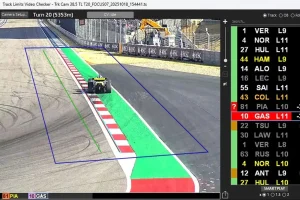
FORMULA 1 and the AI That Could Transform Transportation in the U.S.
The artificial intelligence system that Formula 1 implemented to monitor every car on every turn is opening the door to new applications in trucking, logistics,