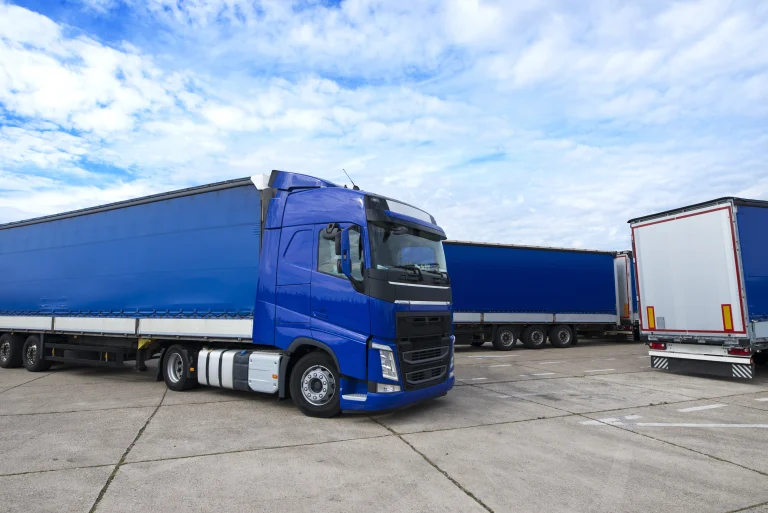
The Federal Motor Carrier Safety Administration has issued final rules eliminating 12 regulations considered “burdensome.”
The Federal Motor Carrier Safety Administration (FMCSA) has issued final rules eliminating 12 regulations considered “burdensome” and which, according to the agency, do not provide substantial improvements to highway safety.
The measures are part of a deregulation initiative launched in 2025, when 18 regulatory changes were proposed and a public comment period was opened with the industry. After reviewing the feedback received, the FMCSA finalized 11 of those proposals and formalized a series of modifications aimed at modernizing operational, technical, and administrative requirements.
Elimination of 12 regulations by the FMCSA
The main changes published by the FMCSA are as follows:
Digitization of Records
The FMCSA clarified that Driver Vehicle Inspection Reports (DVIRs) may be prepared, stored, and signed electronically. This removes ambiguity in the regulation and promotes the use of more efficient, lower-cost digital methods.
Elimination of Obsolete Equipment
The requirement for trucks to carry liquid-burning flares and spare fuses has been eliminated, as these devices are considered obsolete or easily replaceable.
Lighting and Marking Requirements
The requirement that truck tractors keep rear license plate lights illuminated while towing a trailer has been removed. In addition, the agency clarified that it does not require tires to display load restriction markings on their sidewalls, as that regulation falls under the authority of the National Highway Traffic Safety Administration (NHTSA).
Military Exception for CDL Licenses
The so-called “military exception” in commercial driver’s license (CDL) regulations has been expanded to include dual-status military technicians, aligning their treatment with that of other military personnel who operate commercial motor vehicles.
Other relevant modifications by the FMCSA
- Fuel tanks – The requirement that fuel tanks manufactured since 1973 may not be filled beyond 95% of their capacity has been removed, as it was deemed outdated.
- Brakes on portable conveyors – An exception has been created for equipment used in the aggregates industry manufactured before 2010, under specific conditions.
- Auxiliary tanks – The use of small tanks (less than five gallons) for auxiliary pumps mounted on trailers is now permitted, provided they are not used to propel the vehicle and operate only while the vehicle is stationary.
Most of the amendments will take effect on March 23. With this regulatory package, the FMCSA aims to reduce administrative burdens and update technical standards without compromising road safety, according to the agency.
These decisions mark one of the broadest regulatory adjustments in years for the U.S. trucking industry and reflect the authority’s intent to balance operational efficiency with safety. The industry, which actively participated in the public comment process, will now be responsible for implementing the changes and adapting to a more flexible regulatory framework aligned with the sector’s technological evolution.

The best roadside attractions for truckers in the U.S.
America’s highways hide unique places that break up the routine, don’t hesitate to check out these roadside attractions along the way. The road is much

The trucker style: comfort, function, and identity
Truckers’ style is much more than workwear; it’s an identity. These are the most commonly worn garments among truckers. Truckers’ style is much more than

Chaos on Highway 61: Viral Wrong-Way Truck Video Reignites the CDL Debate
An 80-ton tractor-trailer traveling miles in the wrong direction on Missouri’s Highway 61 has reignited a nationwide debate over Commercial Driver’s License (CDL) standards, training

How technology affects driver retention
Friend or foe? 52% of drivers say technology directly influences their decision to stay with or leave a fleet. Fleet telematics company Platform Science published

Dalilah Law seeks to remove non-english speaking commercial drivers
President Donald Trump proposed the “Dalilah Law,” an initiative aimed at prohibiting undocumented immigrants from obtaining commercial driver’s licenses. On February 24, President Donald Trump
FORMULA 1 and the AI That Could Transform Transportation in the U.S.
The artificial intelligence system that Formula 1 implemented to monitor every car on every turn is opening the door to new applications in trucking, logistics,