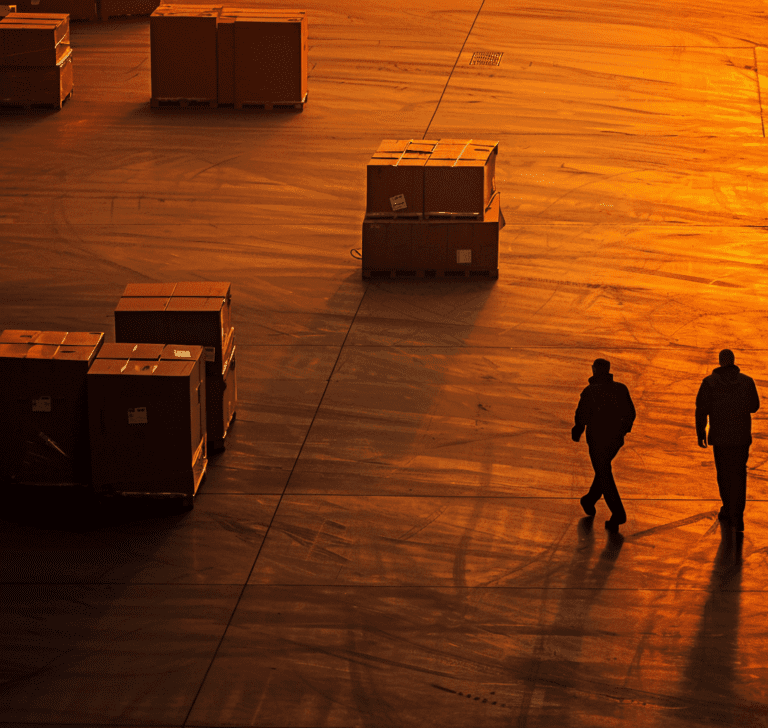
Direct cargo and transport theft continues to be more common than complex fraud schemes
CargoNet has issued a notice to the logistics industry warning of an increased risk of cargo theft during the Fourth of July holiday week in the United States. This advisory is based on an analysis of 174 thefts occurring between July 1st and July 7th over the past five years, highlighting that business closures could create ideal conditions for cargo thieves.
In 2023, record theft rates were reached, and 2024 appears on track to surpass those numbers. CargoNet’s infographic underscores critical points of potential thefts, including high-risk days and targeted states. Among the warnings are:

- According to previous theft analyses, July 1st and 2nd show the highest theft rates, likely due to unattended loaded transports ahead of holiday breaks.
- California, Texas, and Florida are the states most targeted by cargo thieves. In California, San Bernardino and Los Angeles are high-risk areas, as well as Maricopa in Arizona and Shelby in Texas.
- The primary targets often include non-alcoholic beverages, appliances, and electronics.
Direct theft of cargo and transport remains more prevalent than complex fraud schemes. Past incidents have involved everything from off-road vehicles to computer equipment, electronics, and medical supplies. The largest reported theft by CargoNet during the Fourth of July period occurred in Davenport, Florida, totaling $439,895 in stolen medical supplies.

Tips to prevent merchandise theft:
- Ensure the integrity of daily transactions with rigorous review processes. A second review by a supervisor before assigning a load can prevent theft.
- Verify cargo pickup before advancing fuel payments and avoid accepting incoming calls from unverified carriers.
- Provide security personnel and drivers with precise vehicle details and use high-security seals and locks.
- Maintain active surveillance at facilities with alarm systems and document any suspicious activity to aid police investigations in cargo theft cases.
In addition to these tips, CargoNet recommends mitigating risks by communicating information exclusively through verified email channels. In case of cancellation, promptly update pickup information. Logistics intermediaries should also consider limiting the number of shipments a new authority can carry simultaneously if they have recently joined the network or resumed operations after a long period of inactivity.

Volvo Pushes Beyond Diesel with New Hydrogen Combustion Truck Trials
Volvo Trucks is once again taking the lead, beginning road tests with heavy trucks equipped with hydrogen combustion engines.

Trucker Fashion: A Revolution Born on the Road That Still Sets the Trend
Trucker fashion remains relevant due to its authenticity, its seamless integration into streetwear, and its reinterpretation by luxury brands, consolidating itself as a revolution born on the road that evolved from a work uniform into a global cultural symbol

North Dakota among states regaining non-domiciled CDL authority
North Dakota will reissue approximately 150 of the 526 CDLs and CLPs for non-resident drivers that were active during the FMCSA audit.

The Growing Threat of Chameleon Fleets
A CBS ‘60 Minutes’ investigation exposes the rise of ‘Chameleon Fleets’ in the U.S. trucking industry.

US transportation begins to show signs of recovery
With tonnage at record levels and rates on the rise, carriers are leading the expansion of the logistics market. If the forecasts hold true, years of uncertainty could be over.

Trump Administration Restarts California Pipeline to Lower Gasoline Prices
Under Trump, the restart of the Santa Ynez Pipeline aims to boost local crude supply and impact gasoline prices amid persistently high energy costs in California.