Complying with Department of Transportation (DOT) regulations doesn’t just save you stress—it can also lower your insurance premiums.
DOT inspections are an unavoidable—and essential—part of daily operations for truck drivers and fleet owners. Passing them smoothly not only prevents expensive fines and delays, but also boosts your safety compliance record, which can help reduce insurance costs.

What Does a DOT Inspection Cover?
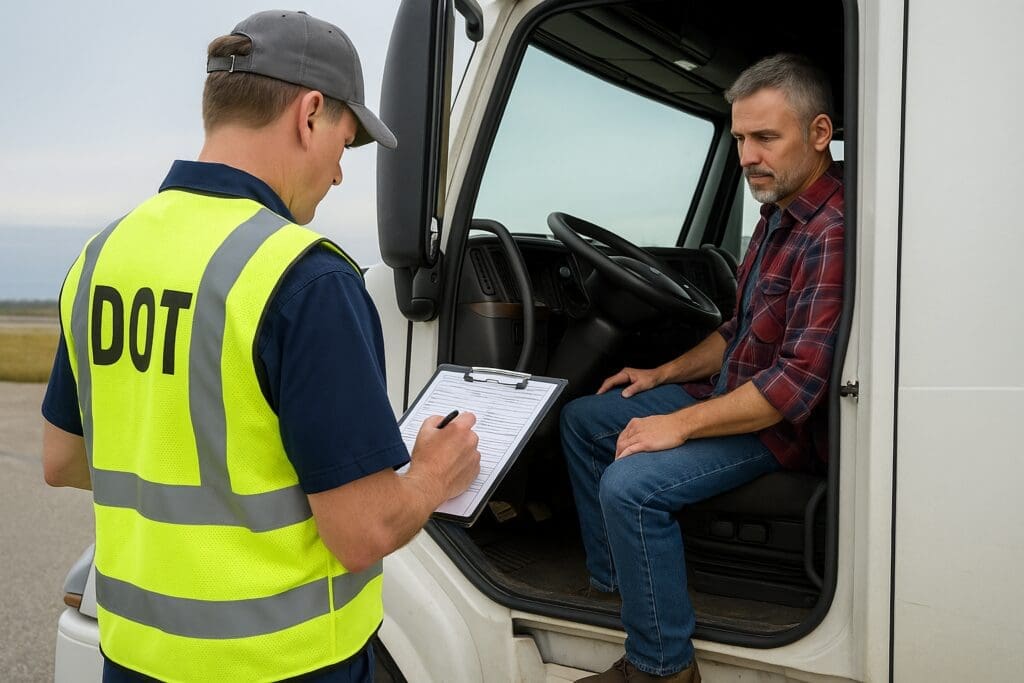
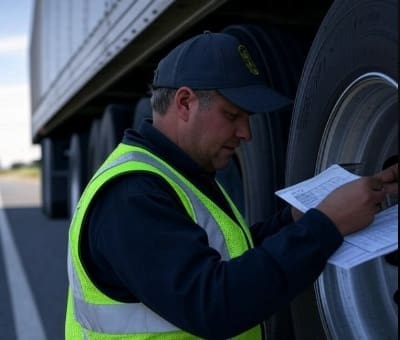
DOT inspections can be random or scheduled and vary in scope. The most common is Level 1, which includes a thorough review of the truck and driver documentation. Key items include:
Brake, light, and tire condition
Electronic Logging Device (ELD) records
Driver and vehicle documentation (license, registration, insurance)
Proper use of seat belts
Alcohol or drug use testing (if there’s suspicion)

Common Violations That Are Easy to Prevent
Veteran drivers agree: many violations can be avoided with a simple pre-trip checklist. Here are some of the most frequent (and preventable) infractions:
Faulty tail lights
Worn or imbalanced brakes
Inaccurate or missing log entries
Missing or incomplete documentation
Not wearing a seat belt
Practical Tips: What Experienced Drivers Recommend
Daily pre-trip checks: A quick scan of lights, brakes, tires, and fluid levels can make all the difference.
Keep paperwork accessible: Have a folder ready with your license, registration, insurance, previous inspection report, and ELD manual.
Operate your ELD correctly: Misuse or errors are a common cause of violations.
Stay respectful and clear with inspectors: A good attitude can make the inspection go faster and smoother.
Train your drivers: If you manage a fleet, ensure everyone knows what to do during a DOT inspection.
Why It All Matters
Beyond avoiding fines that can exceed $1,000 per violation, a clean inspection record improves your CSA (Compliance, Safety, Accountability) score. This can:
Lower your cargo and liability insurance premiums
Strengthen your reputation with brokers and logistics firms
Prevent temporary operational suspensions
DOT inspections shouldn’t catch you off guard. Making inspections part of your routine—with regular checkups, organized documentation, and ongoing training—protects your equipment, your business, and your bottom line.

$75,000 brokers bond rule now in effect
The FMCSA has the authority to suspend the operating license of transportation brokers whose minimum financial security falls below $75,000 After numerous debates, mixed opinions,

Which Trucking Industry Segment Will Grow the Most in the U.S. and Why
Which trucking industry segment will grow the most in the U.S. and why is a key question for investors, carriers, and logistics operators. A new report from DataNexus Market Research points to tank trucking as the fastest-growing segment, driven by rising demand for chemicals, fuels, and hazardous materials

Dangerous Roads: Massive Indiana Crash Involving More Than 10 Semi Trucks Raises Red Flags
Dangerous winter roads, truck accidents, multi-vehicle pile-ups, and low visibility are back in the spotlight after a major crash in Indiana. A pile-up involving more than 30 vehicles, including at least 10 semi trucks, left several people injured and reignited the debate over how to drive safely on snow- and ice-covered highways.

Jerome Powell under investigation as tensions between Trump and the Fed escalate
The investigation into Powell has raised global concerns over a potential threat to the independence of the U.S. central bank. In the new episode of

Road Alert: 25 States Under Extreme Driving Conditions
Snow, ice, strong winds, and low visibility are keeping major highways under active travel advisories. The alert now affects 25 states and calls for extra caution, especially among truck drivers and freight carriers operating along key corridors.

Human Trafficking: A Nationwide Call to Action on America’s Roads
Human trafficking is the focus of a nationwide awareness week aimed at educating truck drivers, motor carriers, law enforcement, and the public about human trafficking, how to spot the warning signs, and what to do if someone may be in danger.