A study from the University of Washington in Seattle reveals that the main cause of significant increases in blood pressure might be traffic-related gasses
A study conducted by the University of Washington in Seattle reveals that the main cause of significant increases in blood pressure is not sitting for hours on end in a congested highway, but rather exposure to traffic-related gasses. Published in the Annals of Internal Medicine in December 2023, the study examined the effects of traffic pollution on cardiovascular health.
In the initial phase of the study, diesel fumes were introduced into a closed room with approximately 40 participants, resulting in a notable increase in blood pressure. Subsequently, the study moved to the streets of Seattle, where three different routes were traversed over a two-hour period amidst heavy traffic. Two of these journeys did not utilize air filters, while the third employed HEPA devices to filter the air.
The results showed that during the unfiltered journeys, increases in blood pressure were similar to those observed in the controlled laboratory environment, reaching nearly 5 millimeters of mercury. Although the study was small with only 13 participants providing usable data, it was funded by the U.S. Environmental Protection Agency and the National Institutes of Health, underscoring its scientific relevance and potential impact on public policy.

Implications and future actions: How to safeguard the population?
The study emphasizes the importance of addressing environmental inequalities exacerbated by highway construction and its toxic effects. It not only underscores the need for stricter environmental policies but also the significance of individual and collective measures to reduce exposure to traffic pollution and its adverse effects on cardiovascular health.
The EPA recommends a series of measures to mitigate vehicle-related air pollution. While some may seem unrealistic, they represent a significant step towards reducing gas emissions and addressing this growing environmental and public health issue:
- Drive Less: If possible, avoiding car use is ideal. Opting for alternatives like bicycles, public transport, or carpooling also contributes significantly.
- Drive Smart: Drive efficiently, perform regular vehicle checks, follow the manufacturer’s maintenance schedule, and use recommended motor oil.
- Choose Fuel-efficient Vehicles: The EPA continues to advocate for more electric vehicles on the road.
- Avoid Idling: Unnecessary idling pollutes the air, wastes fuel, and causes excessive engine wear.

Caring for the environment, as discussed in this article, is also about safeguarding our health. Consistently implementing these measures can make a significant difference, provided there is genuine citizen commitment.

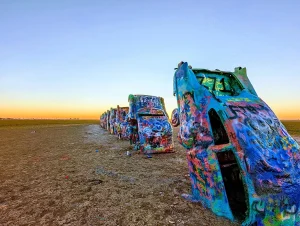
The best roadside attractions for truckers in the U.S.
America’s highways hide unique places that break up the routine, don’t hesitate to check out these roadside attractions along the way. The road is much
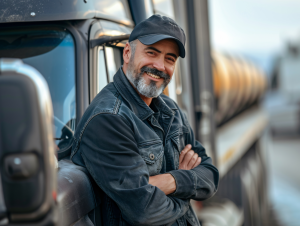
The trucker style: comfort, function, and identity
Truckers’ style is much more than workwear; it’s an identity. These are the most commonly worn garments among truckers. Truckers’ style is much more than
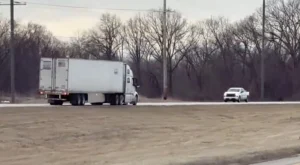
Chaos on Highway 61: Viral Wrong-Way Truck Video Reignites the CDL Debate
An 80-ton tractor-trailer traveling miles in the wrong direction on Missouri’s Highway 61 has reignited a nationwide debate over Commercial Driver’s License (CDL) standards, training
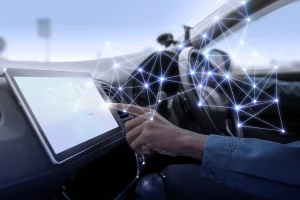
How technology affects driver retention
Friend or foe? 52% of drivers say technology directly influences their decision to stay with or leave a fleet. Fleet telematics company Platform Science published

Dalilah Law seeks to remove non-english speaking commercial drivers
President Donald Trump proposed the “Dalilah Law,” an initiative aimed at prohibiting undocumented immigrants from obtaining commercial driver’s licenses. On February 24, President Donald Trump
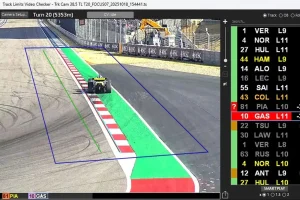
FORMULA 1 and the AI That Could Transform Transportation in the U.S.
The artificial intelligence system that Formula 1 implemented to monitor every car on every turn is opening the door to new applications in trucking, logistics,