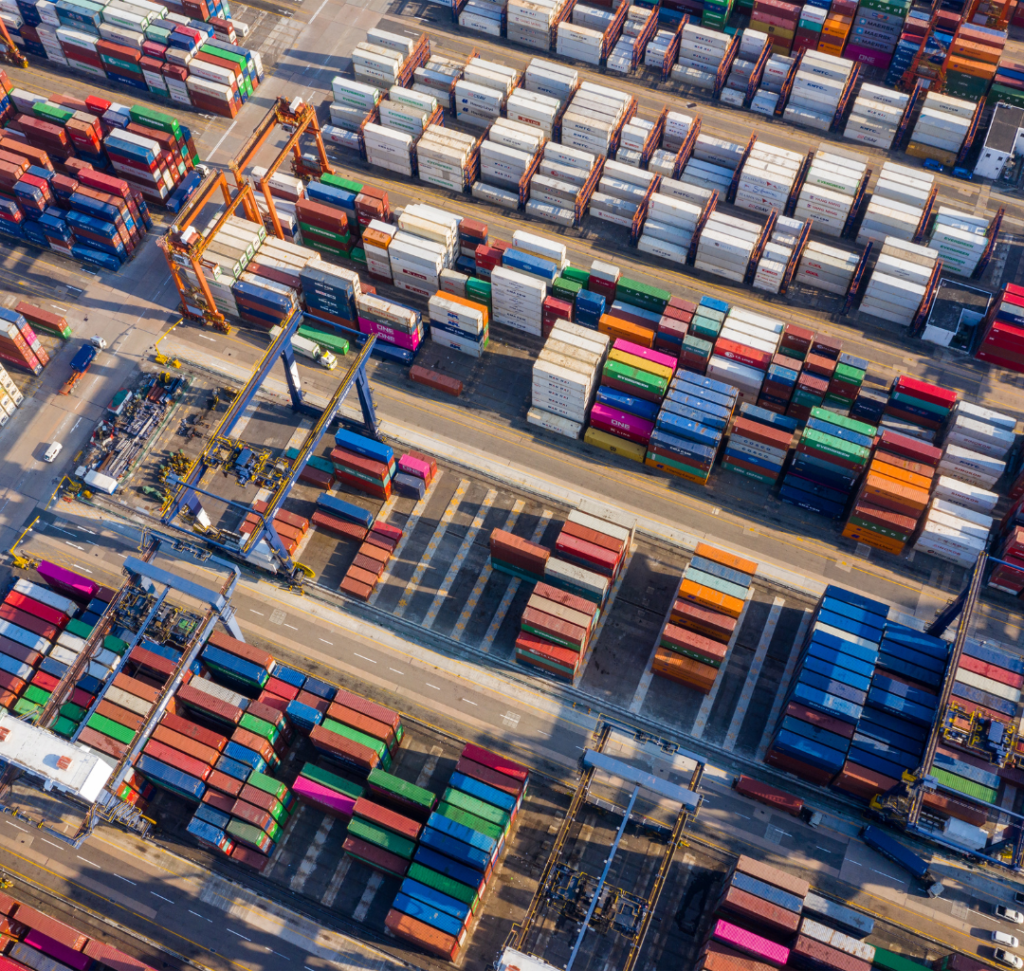
The tariffs previously imposed by Trump were declared largely illegal, creating an atmosphere of uncertainty in key sectors such as maritime transport and the supply chain.
On Friday, August 29, the trade war driven by President Donald Trump suffered a significant legal setback from the federal appeals court. The tariffs previously imposed by Trump were declared largely illegal, a ruling that could cost the government billions of dollars in refunds to affected businesses. The court’s final decision, suspended until October 14, has created an atmosphere of uncertainty in key sectors such as maritime transport and the supply chain.
Despite the ruling, logistics professionals report that no significant changes are yet noticeable. However, with an appeal underway and the tariffs still in place, many freight operators remain cautious, expecting minimal impact due to the early anticipation at the start of the year.
Treasury Secretary Scott Bessent expressed confidence that the Supreme Court will uphold the use of the 1977 Emergency Powers Act to impose tariffs. Trump also announced that he would request an expedited resolution of the case to take any necessary actions.

Possible scenarios and alternatives
Josh Teitelbaum, trade advisor and former Commerce Department official, advised companies not to change their sourcing strategies for now, according to CNBC. “The legal situation is too uncertain. If the tariffs are overturned, new ones could be imposed under different legal authorities,” Teitelbaum warned.
Meanwhile, Alan Baer, CEO of OL USA, noted that Trump could seek special powers from the Senate to apply tariffs for a limited period before the November 26 elections. Another option would be to focus on targeted tariffs on products such as steel and aluminum.
The government has already generated $142 billion in tariff revenue so far this fiscal year, according to Treasury Department data. If the Supreme Court upholds the ruling, it remains unclear whether retroactive refunds will be authorized or if only future tariffs will be halted.
Dan Anthony, president of Trade Partnership Worldwide, stated that a general refund process could be straightforward, depending on the administration’s approach. However, in a CNBC report, he warned about potential delays if the process is left to third parties like UPS or FedEx, who would act as intermediaries to return funds to the actual importers.

Global reach and tariff complexity
The trade war has had a global impact, with tariffs applied to over 90 countries and nearly all imported products. According to Michael Lowell, partner at Reed Smith, only 5% of the more than 11,000 codes in the U.S. Harmonized Tariff Schedule (HTSUS) are exempt. Additionally, Section 232 tariffs affect around 800 codes, beyond traditionally classified steel or aluminum products.
The risk is greater for small businesses, especially those using third parties as registered importers. According to CNBC, importers have 314 days from the entry of their products to file appeals, meaning the deadline for many companies will expire by the end of December.
Experts warn that prolonging the enforcement of now-illegal tariffs will only worsen the financial strain. Still, the situation is not expected to impact existing trade agreements.

Frozen Roads After Bomb Cyclone: Black Ice, Record Snow and High Risk for Trucks
Frozen roads continue to disrupt freight transportation following the impact of a powerful bomb cyclone, leaving behind black ice, highway shutdowns, power outages, and dangerous winter driving conditions stretching from the Gulf Coast to New England.

Lunar New Year 2026: Ancient Traditions, Renewed Energy, and Massive Celebrations
Lunar New Year 2026 begins on February 17 under the sign of the Fire Horse and is marked by spiritual rituals, family reunions, and large-scale celebrations in both China and the United States, especially in California.

Freedom 250 Grand Prix: How Logistics and Transportation Will Power the Race in Washington
The first-ever IndyCar street race in Washington, D.C., scheduled for August 21–23, will headline the United States’ 250th anniversary celebrations — and it will trigger a massive transportation, freight, and urban logistics operation behind the scenes.

Groundhog Day: What It Means for Trucking When “Phil Sees His Shadow”
The forecast from America’s most famous groundhog is calling for more winter — and that’s an important signal for the trucking industry and cold-season route planning

Love on the open road: the best dating apps for truckers
If you’re looking for someone to go the long haul with, here are the best dating apps for truck drivers. They say love is everywhere…

The most congested cities in the U.S. and the world in 2025
The annual TomTom Traffic Index produces a ranking of the most congested cities in the world. The annual TomTom Traffic Index presents an analysis of