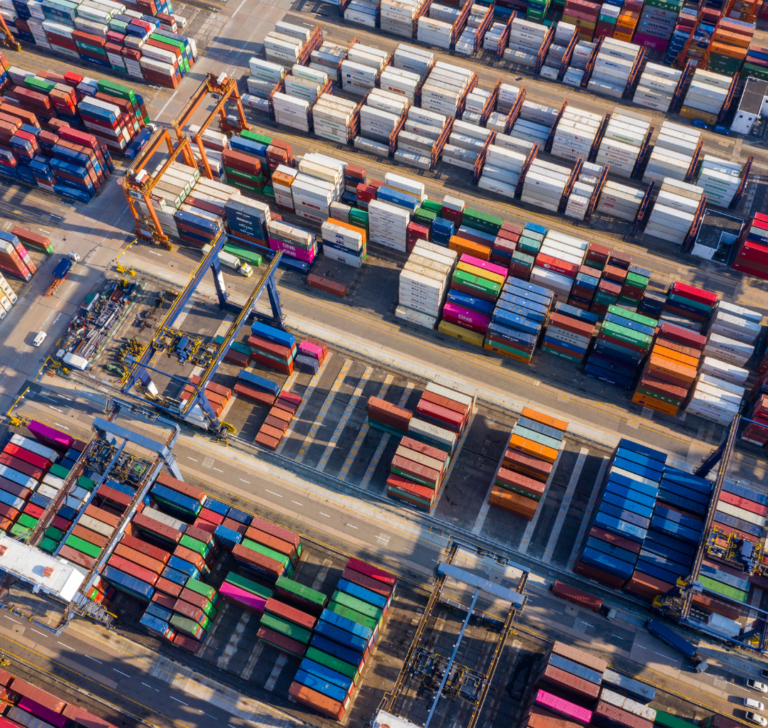
The tariffs previously imposed by Trump were declared largely illegal, creating an atmosphere of uncertainty in key sectors such as maritime transport and the supply chain.
On Friday, August 29, the trade war driven by President Donald Trump suffered a significant legal setback from the federal appeals court. The tariffs previously imposed by Trump were declared largely illegal, a ruling that could cost the government billions of dollars in refunds to affected businesses. The court’s final decision, suspended until October 14, has created an atmosphere of uncertainty in key sectors such as maritime transport and the supply chain.
Despite the ruling, logistics professionals report that no significant changes are yet noticeable. However, with an appeal underway and the tariffs still in place, many freight operators remain cautious, expecting minimal impact due to the early anticipation at the start of the year.
Treasury Secretary Scott Bessent expressed confidence that the Supreme Court will uphold the use of the 1977 Emergency Powers Act to impose tariffs. Trump also announced that he would request an expedited resolution of the case to take any necessary actions.

Possible scenarios and alternatives
Josh Teitelbaum, trade advisor and former Commerce Department official, advised companies not to change their sourcing strategies for now, according to CNBC. “The legal situation is too uncertain. If the tariffs are overturned, new ones could be imposed under different legal authorities,” Teitelbaum warned.
Meanwhile, Alan Baer, CEO of OL USA, noted that Trump could seek special powers from the Senate to apply tariffs for a limited period before the November 26 elections. Another option would be to focus on targeted tariffs on products such as steel and aluminum.
The government has already generated $142 billion in tariff revenue so far this fiscal year, according to Treasury Department data. If the Supreme Court upholds the ruling, it remains unclear whether retroactive refunds will be authorized or if only future tariffs will be halted.
Dan Anthony, president of Trade Partnership Worldwide, stated that a general refund process could be straightforward, depending on the administration’s approach. However, in a CNBC report, he warned about potential delays if the process is left to third parties like UPS or FedEx, who would act as intermediaries to return funds to the actual importers.

Global reach and tariff complexity
The trade war has had a global impact, with tariffs applied to over 90 countries and nearly all imported products. According to Michael Lowell, partner at Reed Smith, only 5% of the more than 11,000 codes in the U.S. Harmonized Tariff Schedule (HTSUS) are exempt. Additionally, Section 232 tariffs affect around 800 codes, beyond traditionally classified steel or aluminum products.
The risk is greater for small businesses, especially those using third parties as registered importers. According to CNBC, importers have 314 days from the entry of their products to file appeals, meaning the deadline for many companies will expire by the end of December.
Experts warn that prolonging the enforcement of now-illegal tariffs will only worsen the financial strain. Still, the situation is not expected to impact existing trade agreements.

$75,000 brokers bond rule now in effect
The FMCSA has the authority to suspend the operating license of transportation brokers whose minimum financial security falls below $75,000 After numerous debates, mixed opinions,

Which Trucking Industry Segment Will Grow the Most in the U.S. and Why
Which trucking industry segment will grow the most in the U.S. and why is a key question for investors, carriers, and logistics operators. A new report from DataNexus Market Research points to tank trucking as the fastest-growing segment, driven by rising demand for chemicals, fuels, and hazardous materials

Dangerous Roads: Massive Indiana Crash Involving More Than 10 Semi Trucks Raises Red Flags
Dangerous winter roads, truck accidents, multi-vehicle pile-ups, and low visibility are back in the spotlight after a major crash in Indiana. A pile-up involving more than 30 vehicles, including at least 10 semi trucks, left several people injured and reignited the debate over how to drive safely on snow- and ice-covered highways.

Jerome Powell under investigation as tensions between Trump and the Fed escalate
The investigation into Powell has raised global concerns over a potential threat to the independence of the U.S. central bank. In the new episode of

Road Alert: 25 States Under Extreme Driving Conditions
Snow, ice, strong winds, and low visibility are keeping major highways under active travel advisories. The alert now affects 25 states and calls for extra caution, especially among truck drivers and freight carriers operating along key corridors.

Human Trafficking: A Nationwide Call to Action on America’s Roads
Human trafficking is the focus of a nationwide awareness week aimed at educating truck drivers, motor carriers, law enforcement, and the public about human trafficking, how to spot the warning signs, and what to do if someone may be in danger.