Kenworth unveils the new T880E and updates the T680E with more power, range, and fast charging.
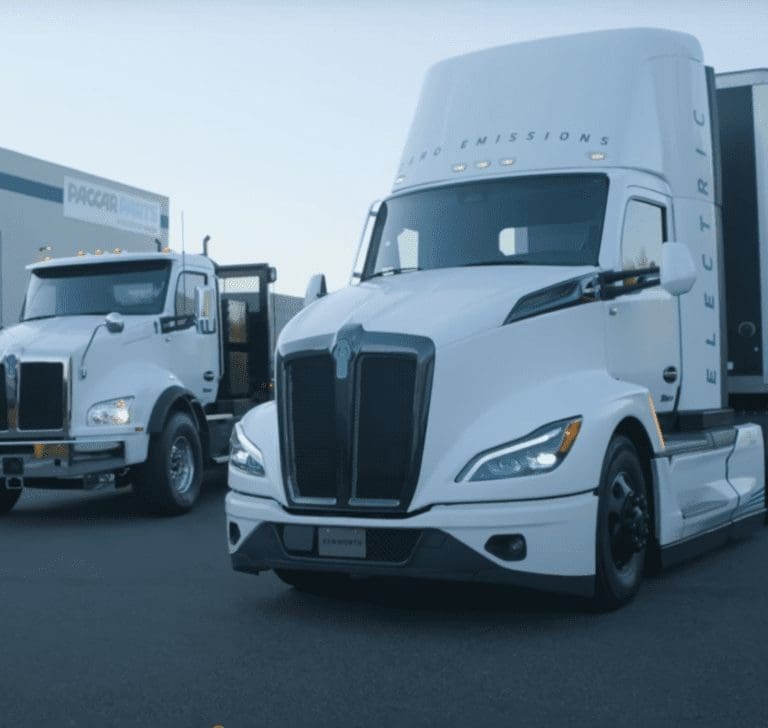
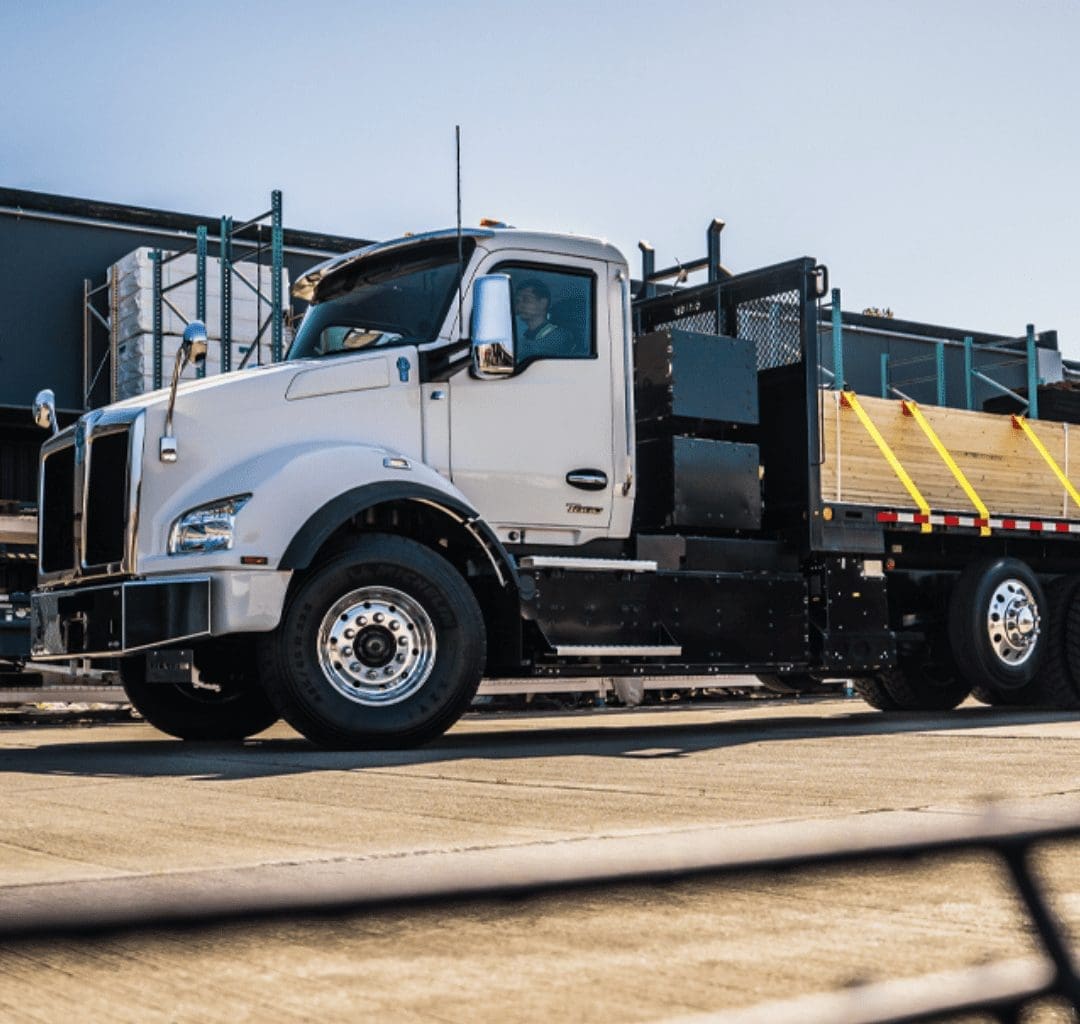
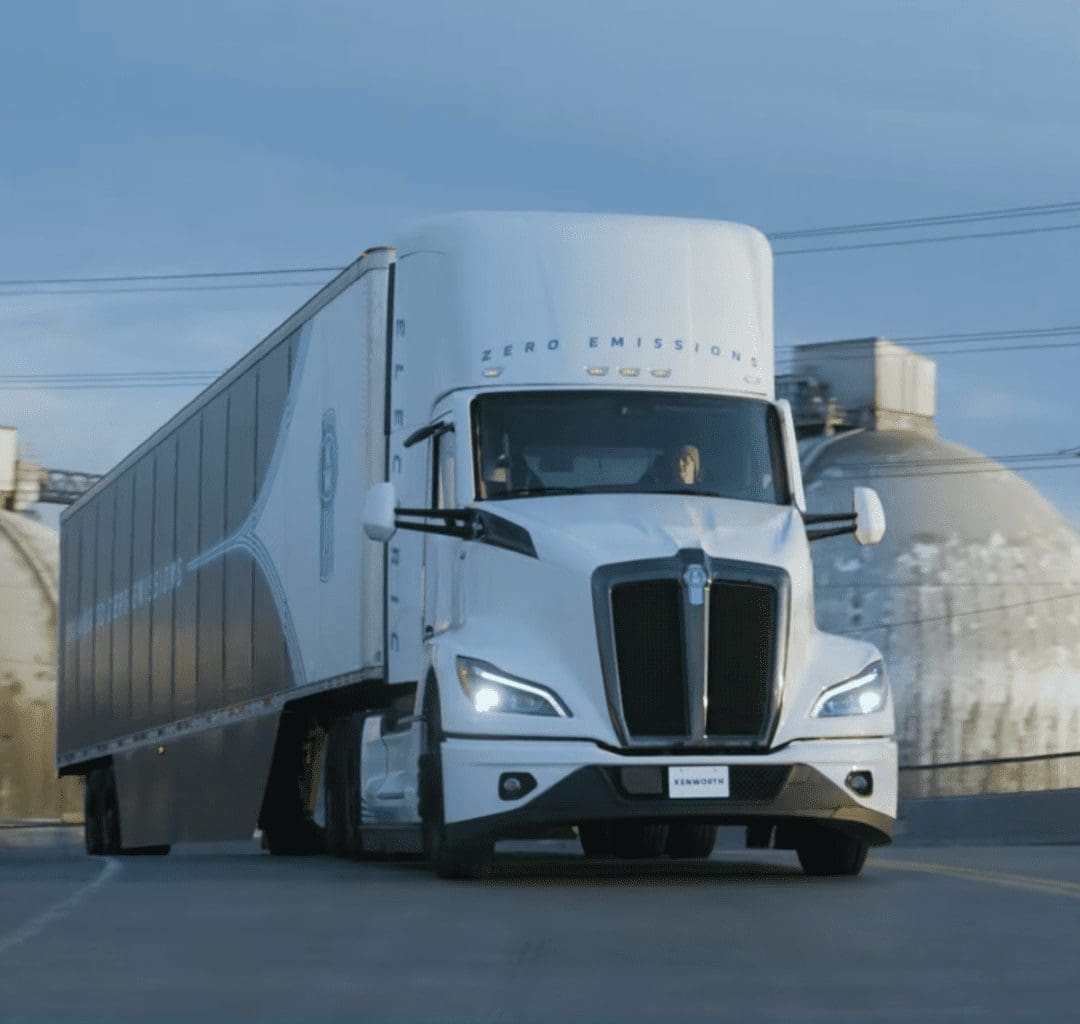
Kenworth continues to advance the electrification of heavy-duty transport with the introduction of its new model, the T880E—one of the industry’s first battery-electric Class 8 vocational trucks—as well as an updated version of the T680E, featuring significant improvements in charging, power, and range.
During a presentation at the Paccar Technical Center in Mount Vernon, Washington, Kenworth Chief Engineer Joe Adams emphasized the company’s approach: “We don’t just want to deliver a vehicle that exceeds our customers’ expectations—we’re adding more, and we truly want to build an advanced powertrain portfolio to have an application for every job.”
Both models are built on Paccar’s ePowertrain platform, which offers between 365 and 470 continuous horsepower, up to 605 peak horsepower, and 1850 lb-ft of torque. This new architecture allows for larger battery capacities, faster charging (90% in about two hours with 350 kW CCS1 DC charging), longer range, and easier drivability.

More efficient transport and the first Class 8 vocational EV
The new generation of the T680E is designed for regional haul, LTL, and drayage applications. It comes in a 6×4 configuration, as either a tractor or a straight truck, with three battery pack options that provide a range of up to 320 km (nearly 200 miles), a significant improvement over the previous model’s 240 km (150 miles).
Notable features include a more aerodynamic exterior design, blue-accented LED headlights, and a cab outfitted with the new DriverConnect system, which integrates a 15-inch touchscreen for electric system management. It also includes advanced driver assistance systems like DigitalVision, Bendix Fusion, and lane-keeping assist.
Meanwhile, the T880E is specifically designed for heavy-duty vocational work such as construction. It retains the rugged design of the diesel T880 and offers greater versatility, including forward or rear axle options, lift axles, factory-installed high- and low-voltage ePTO ports, and a 625 kWh battery that enables a range of more than 250 miles (approximately 400 km).
Kenworth notes that it is already conducting rigorous testing with 46 trucks under extreme conditions to ensure performance, including winter and summer trials, durability tests, and electromagnetic radiation assessments. Both models are now available for order at Kenworth dealerships in the U.S. and Canada, with first deliveries scheduled for the second half of 2025.
Outlook for Electric Vehicles in the U.S.
The electric vehicle industry in the United States faces growing uncertainty, similar to other sectors, due to tariff policies. This scenario could lead to higher production costs, which in turn would raise the final price of electric vehicles and affect growth projections for companies in the sector. Since the beginning of his term, Donald Trump has expressed his intent to support fossil fuels and roll back environmental regulations—an approach that contrasts with global efforts to curb climate change.
These policies not only undermine the country’s economic competitiveness but also delay progress toward a more sustainable energy model. Although the Trump administration’s measures may temporarily slow the development of the EV market, both manufacturers and consumers continue to drive the adoption of clean technologies, reinforcing a trend that seems difficult to reverse.

Frequently Asked Questions About Trucking in Washington
100 questions and answers for truck drivers operating in the state of Washington.

Washington updates its freight corridors: how truck navigation will change on I-5, I-90, and other key routes.
The State of Washington is updating its planning for the state’s most important freight corridors with a clear goal: improving commercial truck traffic, strengthening supply

Washington speeds up new logistics hub development to strengthen freight transportation and trade with Canada
Washington is expanding its network of logistics hubs through investments in ports, highways, and distribution centers to streamline freight transportation.

Washington Commercial Vehicle Laws: What Truckers Must Know
Washington combines state requirements with numerous federal regulations that apply to commercial transportation

Your Truck Was Declared a Total Loss: Who Decides What It Is Really Worth in Washington?
The accident may be over in seconds. The dispute over what the vehicle is actually worth can last much longer. Since 2026, Washington has introduced a new tool to resolve certain valuation disputes between policyholders and insurance companies.

Why Some Washington Carriers Are Harder to Insure
Accidents, maintenance, drivers, and safety records can complicate a carrier’s risk profile. What Washington truckers should review before insurance renewal.