Starting November 1, the U.S. will impose new import tariffs on medium- and heavy-duty trucks and parts, a move designed to strengthen U.S. truck manufacturing, rebuild domestic supply chains, and reduce reliance on foreign-built models across the commercial trucking sector.
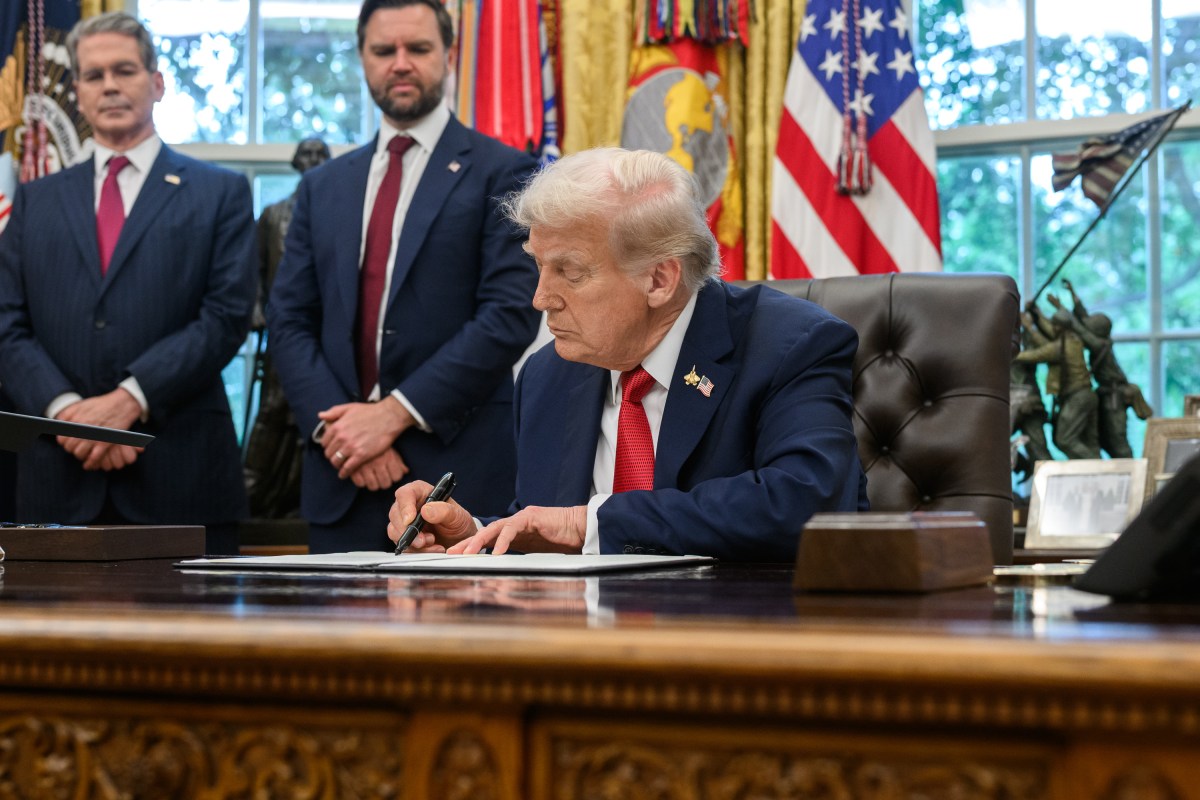
As the trucking sector braced for change, the issuance of Donald Trump’s Proclamation 10984 on October 17 triggered a policy pivot that will take effect on November 1, 2025. From that date, the United States will enforce a 25% tariff on imported medium- and heavy-duty vehicles (MHDVs), a 25% tariff on their parts (MHDVPs), and a 10% tariff on imported buses, under the authority of Section 232 of the Trade Expansion Act of 1962.
The measure is aimed at bolstering U.S. industrial capability, supporting domestic truck manufacturers, and reducing reliance on foreign-sourced vehicles and components deemed critical for infrastructure and logistics resilience.
What Exactly the Policy Mandates
Beginning at 12:01 a.m. Eastern Time on November 1, the tariffs will apply to MHDVs, their parts and buses imported into the United States for consumption or withdrawal from warehouse. Importers will face:
- A 25% duty on imported MHDVs unless they qualify under the United States–Mexico–Canada Agreement (USMCA) for preferential treatment. Under USMCA qualification, only the non-U.S.-origin content within the vehicle will be taxed.
- A 25% duty on imported parts for MHDVs.
- A 10% duty on imported buses (including transit, school and long-haul coaches).
- Additional compliance risk: vehicles that falsely claim U.S. origin content may be assessed the full 25% duty on the entire vehicle value.
The Department of Commerce’s investigation underpinning the policy found that transport vehicles and parts are integral to military logistics, emergency response and critical infrastructure. It concluded that offshoring of production created a vulnerability to U.S. national security.

Strategic Rationale Behind the Move
This policy aligns with the administration’s “America First” industrial-strategy framework. The trucking manufacturing base—covering Class 3 to Class 8 commercial trucks—has receded in recent decades as production shifted abroad. The tariffs are designed to:
- Re-incentivize domestic production of trucks and components in the U.S.
- Protect American manufacturers from lower-cost imports that may undercut domestic firms.
- Support logistics infrastructure and domestic supply chains critical for freight, military and emergency systems.
By leveraging a national-security justification under Section 232, the policy adds a layer of political import: supporting U.S. jobs, manufacturing and strategic autonomy.
Impacts on Fleets, Importers and Manufacturers
For U.S. manufacturers:
Brands and assemblers operating in the U.S.—such as legacy heavy-duty truck makers—stand to gain as imported trucks incur higher tariffs, potentially shifting demand toward domestically-assembled units. A related “import adjustment offset” program offers eligible U.S. manufacturers a refund equal to 3.75% of the value of vehicles assembled in the U.S. between November 1, 2025 and October 31, 2030—further increasing incentives to localize production.
For importers and fleets:
Fleets that planned to acquire imported medium- or heavy-duty trucks must now evaluate total acquisition cost including the 25% duty (or applicable non-U.S.-content duty) and consider sourcing vehicles from U.S.-assembled models. Leasing companies, truck rental firms and fleet buyers must recalculate Total Cost of Ownership (TCO) to reflect higher upfront tariffs and potential supply disruptions.
For supply-chain participants:
Component suppliers and parts manufacturers face a new cost structure. Imports of critical truck parts will be taxed unless they qualify under USMCA rules or until the U.S. establishes content-origin procedures for parts. Manufacturers relying on foreign-sourced chassis, engines, transmissions or other modules may be exposed to higher costs or compelled to shift sourcing to the U.S.
Key Considerations for Industry Stakeholders
- Verify content-origination and USMCA eligibility: Companies must document U.S.-origin content to reduce tariff exposure.
- Assess fleet acquisition strategy: Compare U.S.-assembled vehicles vs. imports subject to tariffs; consider leasing terms, residual values and maintenance costs.
- Re-evaluate supply-chain sourcing: Consider moving part production inland or restructuring sourcing to ensure compliance and cost-effectiveness.
- Monitor manufacturing capacity and lead times: If domestic output cannot scale quickly, shortages or delays may affect fleets seeking replacement trucks.
- Stay apace of trade compliance: Tariff stacking (Section 232 combined with other duties) and documentation requirements increase regulatory complexity for importers and manufacturers.
A Turning Point for the U.S. Trucking Ecosystem
The impending November 1 tariff landmark presents an inflection point for the U.S. trucking ecosystem. For fleets, leasing firms and logistics providers, it imposes a decision matrix: continue imports with higher cost and regulatory burden, or shift toward U.S.-made models and domestic-supply chains. For manufacturers and builders operating on U.S. soil, the move signals an opportunity to capture market share and strengthen domestic capacity.
In a broader sense, the policy underscores a shift in U.S. trade and industrial policy: one that places national manufacturing, supply-chain sovereignty and freight network resilience at the center. As fleet operators and manufacturers navigate the new landscape, the question becomes not just “what will it cost?” but “how will we adapt?”
For the trucking industry—and for those who buy, operate or build trucks—the message is clear: change is coming on November 1, and preparedness will separate the winners from the laggards.

Autonomous Trucks vs. Human Drivers: The Showdown Reshaping U.S. Trucking
The push to deploy driverless trucks without a human operator has reignited a national debate over safety, jobs, and regulation—drawing unions, tech companies, and federal lawmakers into a conflict that could redefine the future of U.S. freight transportation.

Trucking faces continued job losses as 2026 uncertainty looms
The U.S. trucking industry continues to lose jobs and reduce capacity, will this trend continue in 2026? The U.S. trucking industry continues to lose jobs

U.S. Allocates $1.5 Billion for Truck Road Infrastructure
The 2026 BUILD Grants program will invest $1.5 billion in truck road infrastructure across highways, ports, and truck parking facilities, with direct impact on logistics and freight transportation in the United States.

Wall Street Record: Transportation Stocks Boost Confidence in the Economy and Logistics
Transportation stocks in the United States have staged a strong rally so far in 2025, reflecting growing market confidence in the real economic activity behind logistics, freight movement, and mobility services more broadly.

The meaning of Hanukkah and how to celebrate it on the road
Hanukkah is a celebration of resilience and hope, and here are some ways you can take this on the road. December is one of the

Waymo under investigation for potential safety risk in school zones
A recent wave of videos has shown that some Waymo vehicles are not complying with safety regulations in school zones. The autonomous vehicle company Waymo,