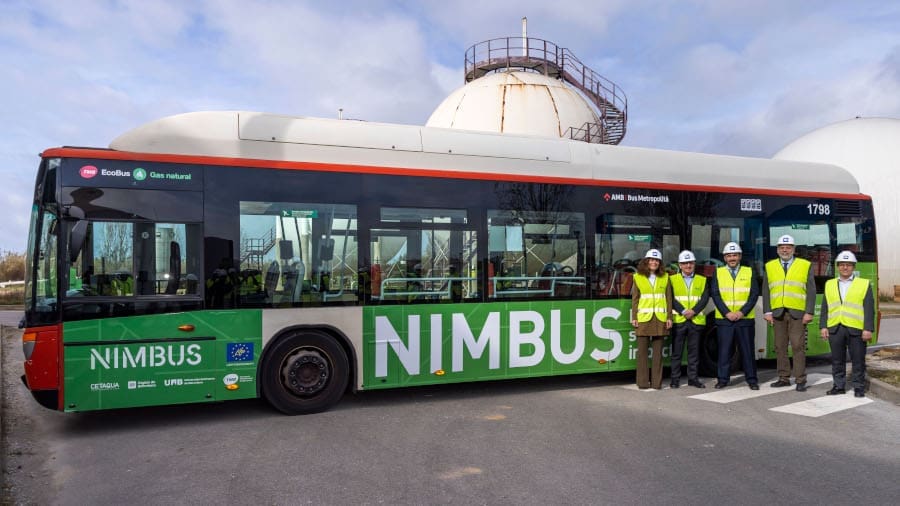
The bus, known as Nimbus, travels without using a single drop of conventional fuel… but a lot of human waste.
Clean energy for transportation has become a popular topic in the industry in recent years. While most people are familiar with electric and hydrogen-powered vehicles, have you ever imagined a truck running on… human waste?
Well, in Barcelona, this is already a reality. The V3 urban bus line runs through the city powered by sludge from wastewater, which is transformed into biomethane, according to the digital outlet Ámbito. This renewable gas reduces carbon dioxide emissions by 80% compared to traditional natural gas, making it a much greener, and surprising alternative.

Nimbus project: how does it work?
The vehicle, known as Nimbus, travels an average of 14,000 kilometers per year without using a single drop of conventional fuel. Nimbus has been in operation for five years and is the result of a collaboration between Aigües de Barcelona, Transports Metropolitans de Barcelona (TMB), the Autonomous University of Barcelona (UAB), and the technology center Cetaqua.
Researchers from Veolo, in collaboration with TMB and the Autonomous University of Barcelona, developed the project using a large treatment plant capable of processing 400,000 m³ of wastewater daily. After five years of work, they succeeded in producing a biofuel that emits 80% less CO₂ than natural gas.
The process transforms sludge into biomethane, allowing the V3 bus line to travel up to 100 kilometers a day. The resulting biogas contains about 65% methane and 35% CO₂, which is then purified and enhanced by adding hydrogen from renewable sources, reaching a high methane concentration suitable for distribution networks or gas-powered vehicles. Additionally, the process produces no unpleasant odors and significantly reduces emissions.
As a result, the biomethane used in the V3 line complies with the Euro VI emissions standards set by the European Union. The Nimbus project, with a budget of over 11 million euros, aims to meet the transportation needs of Barcelona’s peripheral areas, where electric buses are still not effective due to their limited passenger capacity and range.

A breakthrough in public transport and emissions reduction
The project represents a major step forward for public transportation and emissions reduction, not just in Barcelona, but across Europe. According to Barcelona Secreta, transportation accounts for nearly 30% of energy consumption in the European Union, yet less than 10% of fuels used are renewable. Brussels aims to raise this figure above 30% by 2030, and Spain has already committed to quadrupling its national biogas production.
After five years of successful operation, the Nimbus experience aims to continue expanding and supporting new projects. The goal of pilot projects like Nimbus is to scale up into large-scale industrial initiatives for public transportation based on truly renewable energy sources.
In short, the Nimbus bus is not just a curiosity, it offers a glimpse into the future of urban mobility, where today’s waste becomes tomorrow’s clean energy.
Who would’ve thought the answer was right under our noses all along…

Freedom 250 Grand Prix Set to Make History in America’s Capital
Organized by INDYCAR in collaboration with the White House, the “Freedom 250 Grand Prix” will combine high-speed racing with a celebration of American patriotism.

Safe Driver Week 2026 Begins: Stay Prepared
The Safe Driver Week by the Commercial Vehicle Safety Alliance (CVSA), officially began on July 12.

ICE Expands Inspections for Truck Drivers: Required Documents
ICE agents have joined commercial vehicle inspections at selected U.S. weigh stations. Drivers should be prepared to present a valid CDL, vehicle documents, proof of legal work authorization, and meet the federal English proficiency requirement.

Common DOT Violations and How to Avoid Them
Common Department of Transportation (DOT) violations for truck drivers in Texas and California and how to avoid them.

New World Screwworm Cases Rise in Texas as Origin Remains Unknown
Uncertainty surrounds the spread of the New World screwworm in Texas; experts still don’t know how it entered the U.S.

Cyclospora Outbreak: How to Protect Your Health on the Road
The Cyclospora outbreak has already sickened more than 1,400 people in states including Michigan, Ohio, Illinois, Indiana, New York, North Carolina, and Texas. For truck drivers, recognizing the symptoms and preventing dehydration could make the difference between a safe trip and an unexpected stop.