 Hable con un agente al (888) 572-7520
  Enviar mensaje a un agente

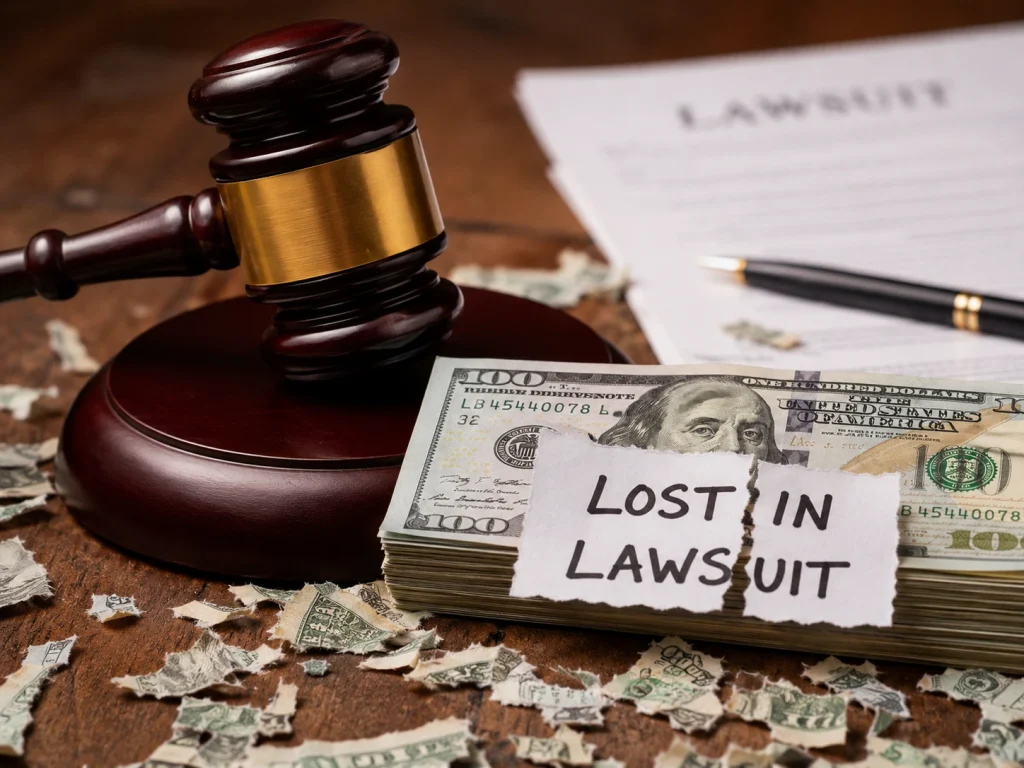

Large jury awards against transportation companies surged again across the United States in 2025. So-called nuclear verdicts against trucking and automotive companies reached $3.4 billion across just 12 cases, compared with $1.4 billion across 15 cases in 2024, according to data published by Transport Topics.
That means that even though there were fewer cases, the total amount awarded was nearly three times higher in just one year, putting renewed attention on an issue the trucking industry has been watching for years.
Nuclear verdicts are court awards involving exceptionally large damages. In its annual Corporate Verdicts Go Thermonuclear report, Marathon Strategies defines them as verdicts of $10 million or more.
And the trend extends well beyond transportation. In 2025, Marathon identified 190 verdicts of at least $10 million against companies across multiple industries in the United States, totaling $25.6 billion. The number of these verdicts increased 40.7% from 2024 and reached the highest level recorded by the firm since it began tracking them in 2009.
There is also a category for even larger awards: thermonuclear verdicts, defined as those exceeding $100 million. More than 40 were recorded in 2025, and four exceeded $1 billion.

Trucking Has Been Dealing With the Issue for Years
Large jury awards are nothing new for trucking companies.
The American Transportation Research Institute (ATRI) examined the issue specifically in its study Understanding the Impact of Nuclear Verdicts on the Trucking Industry. For the research, ATRI developed a database of approximately 600 transportation-related court cases and analyzed hundreds of verdicts exceeding $1 million.
The study found that large verdicts against trucking companies had increased significantly during the period examined and focused on the consequences that major litigation can have for a motor carrier.
For a fleet, a serious crash can raise questions that extend far beyond what happened on the road. Litigation may examine driver training and records, company procedures, vehicle maintenance, available documentation and compliance with safety policies.
Why Are These Verdicts Increasing?
There is no single explanation. Marathon Strategies points to several factors that may be contributing to the growth in large awards, including changes in jury composition, greater distrust of large corporations and strategies used during litigation.
Another issue under debate is third-party litigation funding, in which outside parties provide money to finance lawsuits in exchange for a share of any eventual recovery.
The Reptile Theory is another concept frequently discussed in connection with these cases. The litigation strategy seeks to frame certain corporate actions as threats to community safety, potentially shifting the jury’s attention beyond the specific circumstances of an accident.
Whatever factors are driving the trend, the 2025 numbers show that exceptionally large awards continue to play a significant role in U.S. litigation.
Texas, California and Florida Among the States With the Largest Awards
Where a case is litigated can also make a difference. According to figures reported by Transport Topics, juries in Texas awarded $3.4 billion in large verdicts in 2025, followed by California with $2.6 billion, Florida with $2.5 billion and Maryland with $1.7 billion.
Those figures cover the industries included in the broader analysis and are not limited to trucking.
Florida is particularly noteworthy because the state enacted a broad civil liability overhaul in 2023 through House Bill 837.
The law changed several aspects of civil litigation, including certain rules involving negligence, attorney fees and evidence of medical expenses.
However, many cases that have only recently reached verdicts were filed before the reform took effect. According to Marathon Strategies, as cited by Transport Topics, the Florida cases included in the 2025 analysis took an average of 4.4 years to reach a verdict.
Technology Is Entering the Courtroom, Too
The growing use of driver-assistance systems is adding new questions to litigation involving vehicle crashes.
One closely watched case came out of Florida. In 2025, a federal jury in Miami found Tesla partially liable for a fatal 2019 crash involving a Model S that was using Autopilot.
The jury assigned most of the responsibility to the driver but also found the automaker partially liable. Tesla’s share of the verdict totaled $243 million, including $200 million in punitive damages. In February 2026, a federal judge upheld the verdict, according to Reuters.
The case does not determine how future lawsuits involving trucks or automated driving systems will be decided. It does show, however, how new technologies can add another layer to crash investigations and subsequent questions of liability.
For Fleets, Prevention Also Means Being Protected
Nuclear verdicts show just how high the financial stakes can become when a serious crash ends up in court. For motor carriers, reducing risk starts long before that point: trained drivers, properly maintained vehicles, accurate records, clear safety procedures and coverage that matches the realities of the operation.
At SG Insurance Brokerage, we help you find and manage the right coverage for your operation, so you can stay focused on moving your business forward without unpleasant surprises when you need protection most.
 Business hours: Monday to Friday from 8:00 AM to 5:00 PM. California time