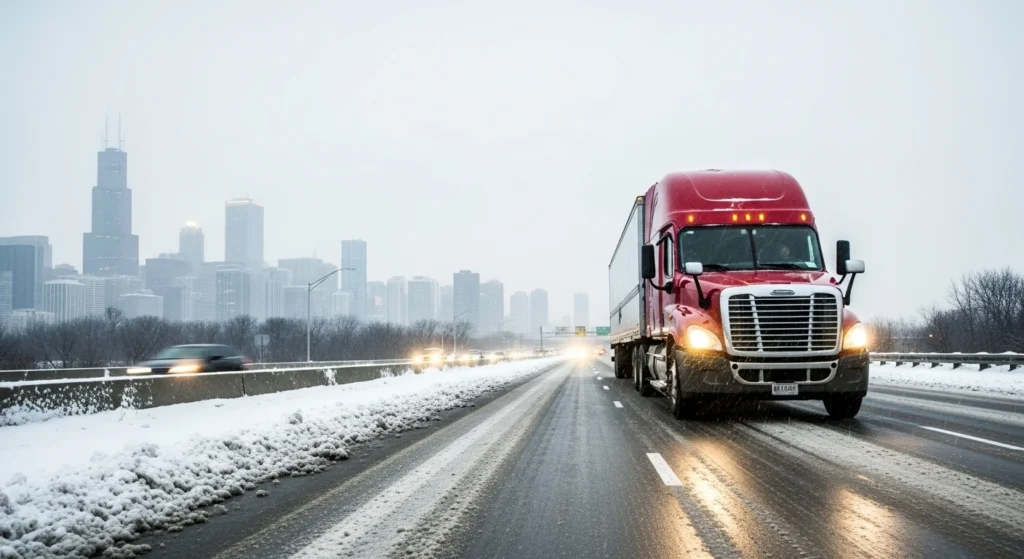
A powerful polar vortex outbreak is triggering a widespread winter storm across the United States, bringing snow, ice, and extreme cold to major freight corridors. The event poses a serious risk to trucking operations, road safety, delivery schedules, and commercial vehicle insurance exposure.
The United States is bracing for one of the most disruptive winter weather events of the season. A strong polar vortex intrusion is pushing Arctic air deep into the country, fueling a massive winter storm system that will stretch from the Southwest to the Northeast, impacting tens of millions of people and thousands of miles of critical freight routes.
For the trucking industry, this is not just a weather story. It is an operational challenge, a safety concern, and a financial risk event.
Snow, freezing rain, sleet, high winds, and prolonged subfreezing temperatures create a dangerous mix that affects everything from vehicle performance to driver visibility, braking distance, and insurance exposure. When these systems stall or overlap, the risks multiply.
What the polar vortex means for trucking
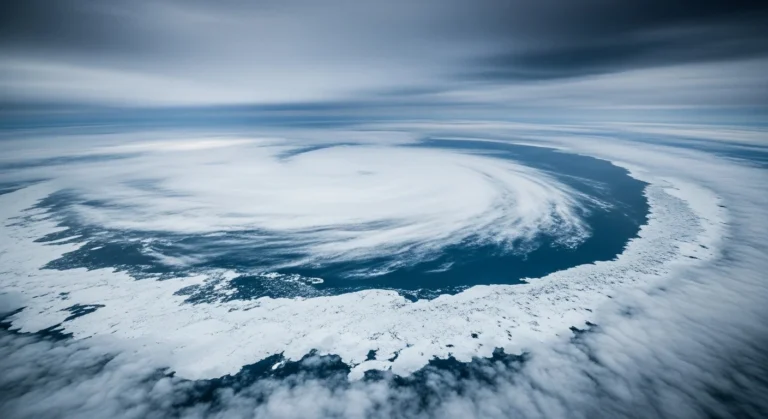
The polar vortex is a large area of extremely cold air that typically circulates around the Arctic. When its structure weakens, portions of that air plunge southward into the continental United States. These outbreaks often produce sharp temperature drops, intense winter storms, and lingering cold that persists well after precipitation ends.
What makes these events especially dangerous is the interaction between Arctic air and moisture from the Gulf of Mexico or the Pacific. This combination produces layered hazards: heavy snow in some areas, freezing rain and ice in others, and extreme cold that locks everything in place.
For truck drivers, that means:
• Reduced traction
• Longer stopping distances
• Lower visibility
• Mechanical stress on engines, batteries, and braking systems
• Higher probability of roadway closures

Direct impact on freight movement
Winter storms of this scale immediately affect trucking operations:
• Slower average speeds
• Increased crash risk
• Lane restrictions and closures
• Missed delivery windows
• Detours that add miles and fuel costs
• Higher exposure to cargo claims and equipment damage
Extreme cold can also affect diesel performance, battery efficiency, air brake systems, and tire pressure—creating additional maintenance challenges.
For insurers, these conditions typically correlate with spikes in claims involving multi-vehicle collisions, rollovers, roadside damage, and weather-related breakdowns.
Cold-weather driving tips for truck drivers
When the polar vortex is active, defensive driving is not optional—it is essential.
Before departure:
• Check the full route forecast, not just the departure city.
• Inspect tires, chains, and tire pressure.
• Confirm antifreeze levels and winter-grade windshield fluid.
• Test heaters, defrosters, and lighting systems.
On the road:
• Reduce speed—even on roads that appear clear.
• Increase following distance significantly.
• Avoid sudden braking or steering inputs.
• Never use cruise control on slick surfaces.
• Be extra cautious on bridges and overpasses.
If traction is lost:
• Do not slam on the brakes.
• Steer gently in the intended direction.
• Avoid sharp corrections.
• Let the vehicle slow naturally if possible.
What fleets and insurers should be doing now
Polar vortex events are not just driving hazards—they are risk multipliers.
Fleet managers should activate severe weather protocols:
• Allow flexible delivery windows
• Preplan alternate routes
• Increase driver check-ins
• Require pre- and post-trip inspections
• Delay departures when necessary
Insurance providers typically see a surge in claims during these periods, including:
• Multi-vehicle collisions
• Jackknife incidents
• Rollover accidents
• Infrastructure impacts
• Electrical and cold-related mechanical failures
Proactive communication between carriers, brokers, drivers, and insurers can significantly reduce losses.
The cold will linger
One defining feature of polar vortex events is persistence. Even after the storm system moves on, the cold remains. This prolongs hazardous road conditions, refreezes melted snow, and sustains the risk of black ice.
In other words, the danger does not end when the snow stops falling.
A clear warning for the industry
This storm is not just a weather event—it is a supply chain stress test.
Every mile driven must be evaluated. Every load dispatched must be weighed against safety conditions. And every driver must be empowered to slow down, reroute, or stop when necessary.
In trucking, late is always better than lost.

Regions most at risk
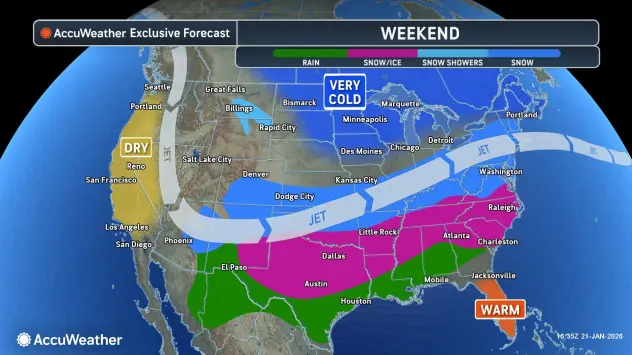
Forecasts show the storm system spreading across a broad swath of the country. Snow bands are expected to impact the central Plains, the Midwest, the Ohio Valley, and parts of the Northeast. In some areas, accumulations may exceed a foot.
But snow is not the biggest threat.
Ice is.
Freezing rain is often more disruptive than heavy snowfall. A thin glaze of ice can shut down highways, down power lines, and create multi-vehicle pileups within minutes. Southern and southeastern states, which are less accustomed to winter weather, face some of the highest operational risks.
Will it snow in Florida?
Most of Florida will not see measurable snowfall. However, the Florida Panhandle remains vulnerable during extreme polar vortex events. While widespread snow is unlikely, hard freezes and roadway icing—especially on bridges, overpasses, and elevated roadways—are a real concern.
For truckers, the greatest danger in these situations is black ice—a nearly invisible layer of frozen moisture that forms overnight and during early morning hours.
Black ice is especially hazardous because drivers often do not realize they have lost traction until it is too late.

NSA Warns of Cyberattacks That Could Impact the Logistics Industry
A joint advisory from the National Security Agency (NSA), the FBI, and 16 other international cybersecurity agencies warns about vulnerable routers and network devices.

Freedom 250 Grand Prix Set to Make History in America’s Capital
Organized by INDYCAR in collaboration with the White House, the “Freedom 250 Grand Prix” will combine high-speed racing with a celebration of American patriotism.

Safe Driver Week 2026 Begins: Stay Prepared
The Safe Driver Week by the Commercial Vehicle Safety Alliance (CVSA), officially began on July 12.

ICE Expands Inspections for Truck Drivers: Required Documents
ICE agents have joined commercial vehicle inspections at selected U.S. weigh stations. Drivers should be prepared to present a valid CDL, vehicle documents, proof of legal work authorization, and meet the federal English proficiency requirement.

Common DOT Violations and How to Avoid Them
Common Department of Transportation (DOT) violations for truck drivers in Texas and California and how to avoid them.

New World Screwworm Cases Rise in Texas as Origin Remains Unknown
Uncertainty surrounds the spread of the New World screwworm in Texas; experts still don’t know how it entered the U.S.