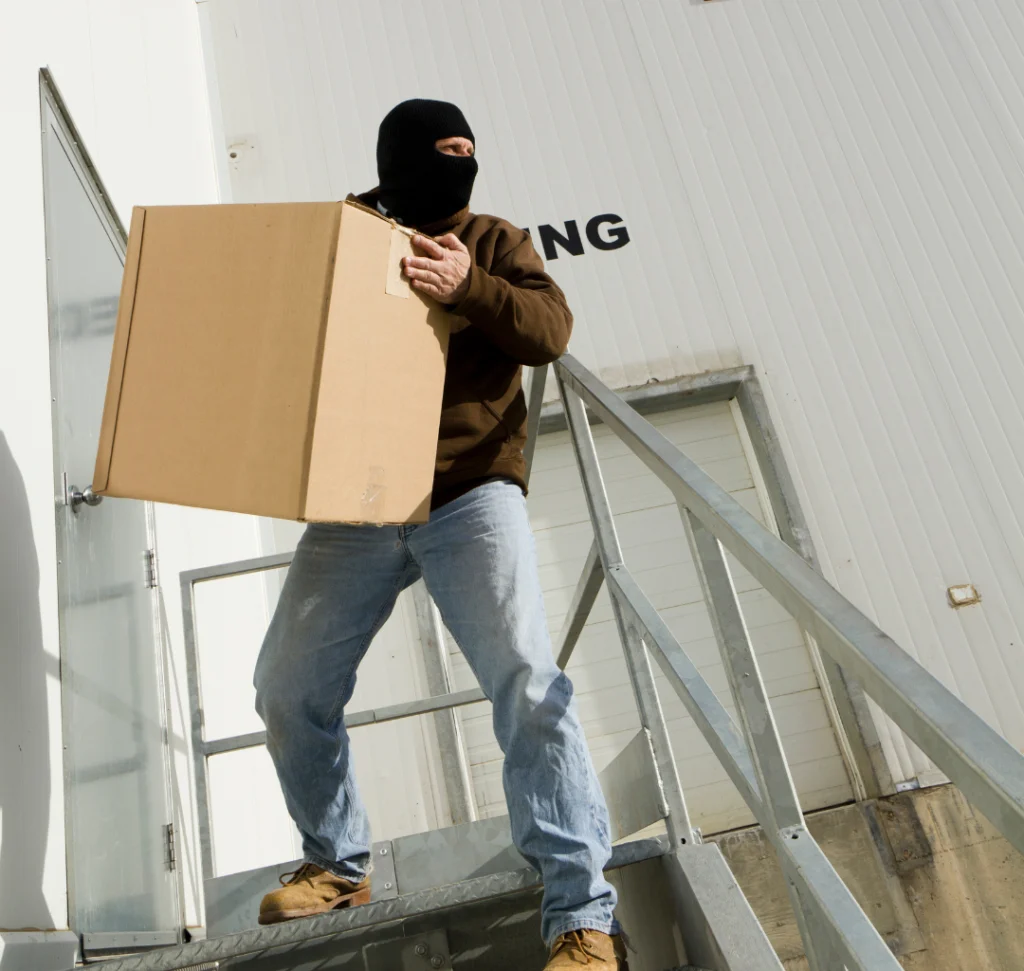
CargoNet has issued an urgent warning about a potential increase in cargo theft in the days surrounding the July 4th holiday.
Logistics company CargoNet has issued an urgent warning about a potential increase in cargo theft in the days surrounding the July 4th holiday. According to the company, extended business closures during holiday periods can create favorable conditions for thieves to operate. In recent years, July 4th has become one of the holidays with the highest incidence of cargo theft.
Keith Lewis, Vice President of Operations at CargoNet, explained that criminals are well aware of holiday closure patterns and know exactly when extended shutdowns occur. “With theft activity already surpassing the record highs of 2023, we urge the entire industry to remain especially vigilant over the holiday weekend,” Lewis warned.

Cargo theft likely to increase during the week of July 4th
CargoNet analyzed 174 thefts that occurred between July 1 and July 7 in recent years to identify key patterns in criminal behavior during this period. Among the findings:
- July 1 and 2 consistently show the highest rates of theft, likely due to loaded trailers being left unattended ahead of the holiday.
- The highest-risk states for cargo theft are California, Texas, and Florida. Hotspot counties include San Bernardino, Maricopa, Dallas, Los Angeles, and Shelby.
- Home appliances and electronics continue to be among the most frequently stolen goods during this time.
In 2024, CargoNet identified several significant thefts from previous July 4th holidays:
- $439,895 in medical supplies stolen from Davenport, Florida
- $352,000 in electronic computers stolen from San Francisco, California
- $314,191 in electronic computers stolen from Commerce, California
- $180,000 in meat products stolen from Georgetown, Texas
- $180,000 in off-road vehicles stolen from Savannah, Georgia
These trends highlight the types of cargo most at risk and the most problematic locations for truck drivers during the July 4th period.

How to protect your cargo from theft during July 4th
Keeping cargo safe is a shared responsibility between drivers and fleet managers. Be prepared by following these safety measures and specific recommendations from CargoNet for this holiday:
- Thoroughly verify all end-of-day transactions.
- Supervisors should double-check before assigning loads to carriers.
- Fuel advance scams, hostage loads, and online freight fraud typically increase in the days before the holiday. Stay alert.
- Ensure both security personnel and drivers have accurate information on license plates, warehouse IDs, and descriptions of tractors, trailers, containers, and chassis.
- Avoid leaving loaded trailers unattended when employees are not present.
- Ensure all facility systems are operational, including lighting, backup generators, and alarms.
- Remove keys from all equipment and store them in a secure location.

Trucking Transportation at the Ports of Washington: Permits and Requirements
The state of Washington is a strategic hub for many truck drivers handling maritime freight on the U.S. West Coast. When referring to trucking transportation

What Are the 5 Most Expensive Highways for Trucks in the U.S.?
These five U.S. highways have some of the highest toll costs for trucks, adding hundreds of dollars to a single trip.

Truckers in Washington: How to adapt to the new economy and come out ahead
The transportation market in Washington state is transforming. This article outlines the key factors and best strategies for optimizing routes, reducing costs, and capturing the most profitable loads.

Florida Raises Crash Reporting Threshold to $2,000
Starting October 1, Florida will quadruple the property-damage threshold that triggers the requirement to immediately report a crash. For truck drivers, however, the dollar value of the damage is not the only factor that matters.

Frequently Asked Questions About Trucking in Washington
100 questions and answers for truck drivers operating in the state of Washington.

Washington updates its freight corridors: how truck navigation will change on I-5, I-90, and other key routes.
The State of Washington is updating its planning for the state’s most important freight corridors with a clear goal: improving commercial truck traffic, strengthening supply