Whether you are a truck driver, a traveler, or simply someone who needs to move around during these days, we share essential information to help you face Thanksgiving week.
The government shutdown in the United States caused major disruptions in the transportation industry, especially in the air travel sector. With Thanksgiving already here, travelers and drivers are still on edge about the possible aftermath of the shutdown. However, experts say the solution lies in being prepared. Winter weather, heavy traffic, and crowded airports are the perfect recipe for holiday chaos, but a prepared traveler will be ready for any obstacle.
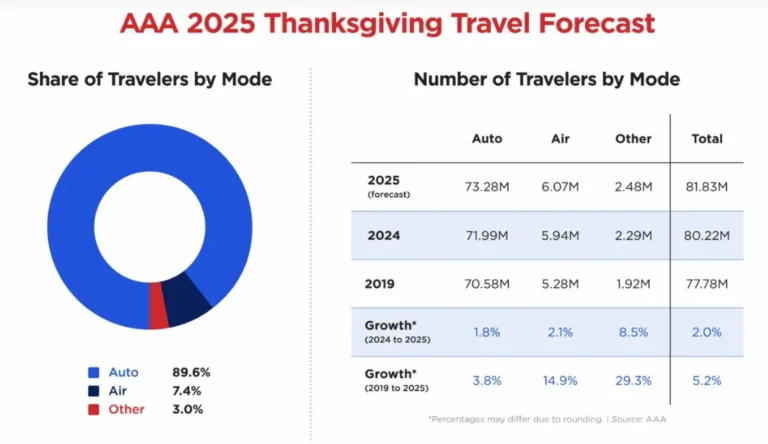
According to forecasts from the American Automobile Association (AAA), an astonishing 81.8 million Americans will travel during the Thanksgiving holiday, an increase of 1.6 million from just a year ago. Of this total, 73 million will travel by car.
Meanwhile, the Federal Aviation Administration predicts the busiest Thanksgiving in 15 years, with more than 360,000 flights scheduled between Monday and next Tuesday. This means that more than 17.8 million people will be screened at airports, according to the Transportation Security Administration.
Whether you are a truck driver, a traveler, or simply someone who needs to move around during these days, below is essential information to help you face Thanksgiving week.
Preparing for Thanksgiving travel
One of the most important factors to consider when traveling is winter weather. With storms increasing during Thanksgiving week, planning ahead is recommended to reduce stress if flights are delayed or canceled. The Weather Channel and AccuWeather warn that rain, ice, and snow could affect major airports such as Atlanta, Chicago, New York, Philadelphia, Seattle, and Washington, D.C.
Broader travel issues are expected for the weekend: heavy snowfall in Michigan, Ohio, and Buffalo starting Wednesday night, and a more extensive winter storm between Friday and Saturday in the Rocky Mountains and the Midwest, with possible first significant snowfalls in Nebraska, Iowa, and Wisconsin.
Make sure your vehicle is equipped with the necessary supplies to handle the roads under these conditions. It is also advisable to plan alternate routes and travel with plenty of time, as traffic jams may increase due to the weather. If flying, prepare for possible delays and stay calm.
For air travel preparation, experts recommend checking your luggage to avoid restricted items, not wrapping gifts until you arrive at your destination, and checking the forecasted temperature to choose appropriate clothing.
If the plan is to travel by road, AAA advises checking your tires, battery, and vehicle fluids, and filling your gas tank early to avoid traffic. Last year, the organization responded to nearly 600,000 roadside incidents during the Thanksgiving period, many involving dead batteries, flat tires, or empty gas tanks.
Road and traffic forecast
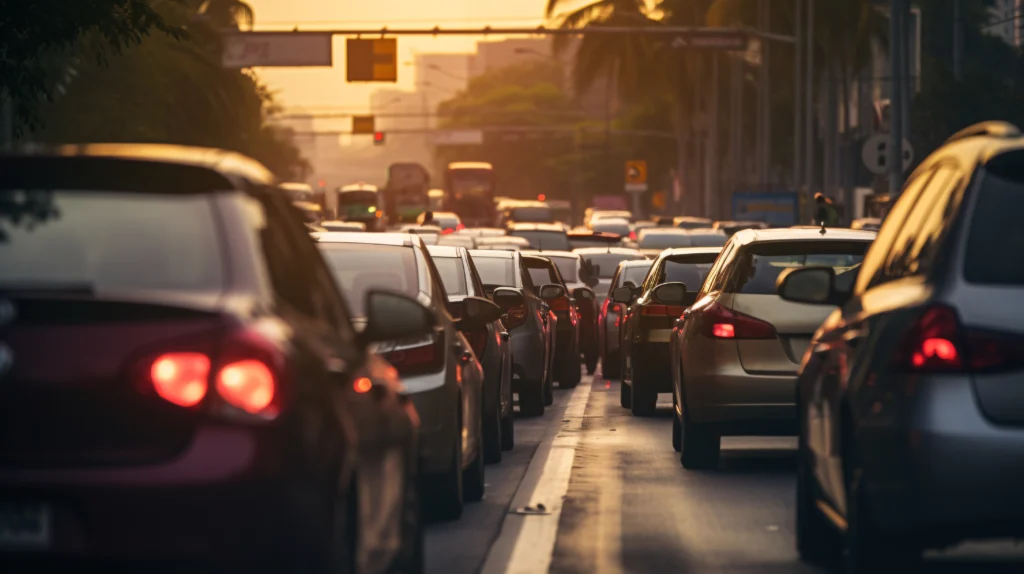
According to data gathered by The Associated Press through Google Maps, Wednesday traffic is expected to be 14% heavier than usual between 10 a.m. and 4 p.m., with peak congestion between 1 p.m. and 3 p.m.
On Thanksgiving Day, roads will be busiest between noon and 3 p.m. It is recommended to avoid driving between noon and 3 p.m. on Saturday and Sunday, as that is when traffic will be at its highest.
AAA recommends traveling before 11 a.m. throughout the Thanksgiving weekend and avoiding the period between 1 p.m. and 8 p.m. in most cases. On Thanksgiving Thursday, traffic is expected to decrease, as most people will have already reached their destinations.

Canada Wildfire Smoke Reaches New York Ahead of World Cup Final
Smoke from hundreds of active wildfires across Canada has significantly reduced air quality in New York and New Jersey just days before the 2026 FIFA World Cup Final between Argentina and Spain. The conditions are also creating new challenges for truck drivers and freight carriers operating throughout the Northeast.

What Regulations Have Changed for Truck Drivers in the U.S. in 2026?
Learn about the new trucking regulations in the United States for 2026, upcoming FMCSA changes, and how they will affect drivers and trucking companies.

Apocalyptic-Looking Sky in Ontario Goes Viral Amid Wildfires
Wildfires swept across Ontario, Canada and smoke spread as far as the U.S. border.

The Biggest Match of the World Cup Was Played Off the Field
More than 453 metric tons of equipment, around 5,000 trucks and support vehicles, and simultaneous operations across 16 host cities kept the largest FIFA World Cup in history running.

DEF Act: 10 Years of Legal Protection for EPA Diesel Emissions Guidance
The Diesel Engine Flexibility (DEF) Act would protect agricultural and transportation businesses by building on the diesel emissions guidance by the EPA.

License Plate Readers Raise Privacy Concerns for Truck Drivers
Concerns are growing over the impact license plate readers could have on the privacy and security of truck drivers.