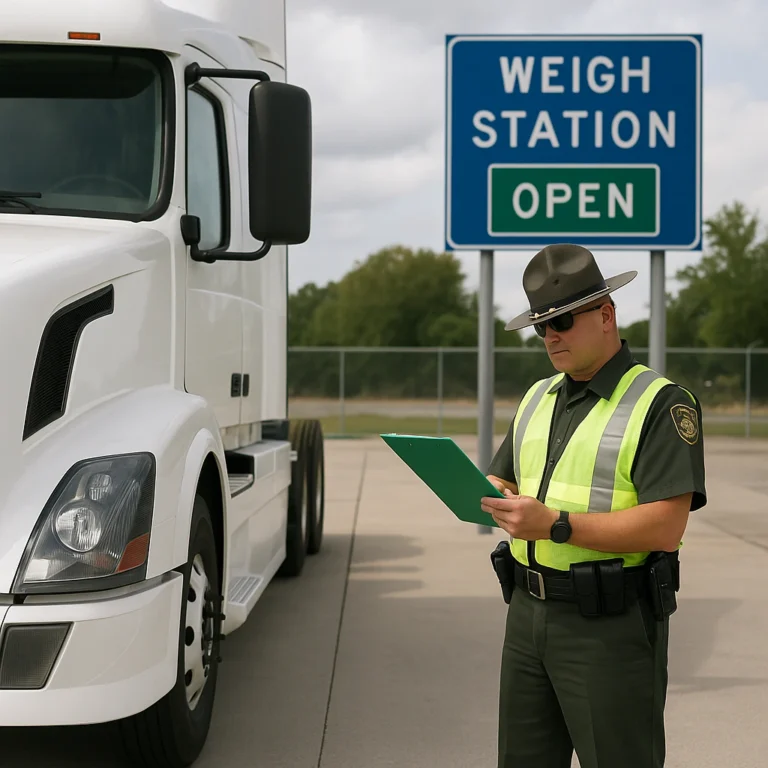
As the FMCSA and other federal agencies roll out sweeping reforms, truck drivers must prepare for major regulatory changes that will reshape compliance, safety, and daily operations across the industry.
The U.S. trucking industry never stops moving. Millions of miles are logged every year, but the regulatory framework that governs those miles is shifting—and fast. In 2025 and 2026, the Federal Motor Carrier Safety Administration (FMCSA) and other federal agencies are rolling out reforms that every professional driver needs to have on their radar.
From the elimination of the long-standing Motor Carrier Number (MC Number) to new safety and compliance requirements, these changes aim to modernize the industry, improve road safety, and streamline paperwork. But they also bring challenges—especially for independent operators who often shoulder compliance costs and paperwork on their own.
Goodbye MC Number: USDOT Consolidation
One of the biggest changes arrives in January 2026: the elimination of the MC Number as a separate identifier for carriers. Starting then, all trucking companies and operators must exclusively use their USDOT number to register and operate legally.
The idea is to cut red tape, reduce duplication, and make audits and enforcement more straightforward. According to Smart Trucking, the current system creates confusion, with some operators juggling multiple ID numbers that aren’t always clearly linked. Consolidating under one identifier promises clarity—but only if carriers update their records before the deadline.
For independent drivers, this shift is critical: anyone running under their own authority must verify that their USDOT number is active, accurate, and properly displayed on all required documents and signage. For large fleets, the challenge is more administrative—centralizing and migrating dozens or even hundreds of MC Numbers into a single company-wide registration.

FMCSA’s New Rules: Safety and Professionalization
Alongside the identifier overhaul, the FMCSA is tightening rules that started phasing in during 2025 and will expand into 2026. Key updates include:
- Electronic speed limiters: Newly manufactured trucks must be equipped with speed limiters to reduce the risk of high-speed crashes.
- Hours of Service (HOS): Revisions to mandatory rest rules place tighter controls on exemptions, such as during extreme weather or emergencies. Drivers will need to plan schedules more carefully.
- Stricter medical exams: Certification standards have been raised, with greater scrutiny on conditions like sleep apnea, hypertension, and diabetes. The goal: ensuring drivers are physically fit for long hauls.
- English proficiency requirements: Enforcement is tougher, especially for safety-critical communication and regulatory comprehension. Immigrant drivers in particular will need to demonstrate stronger language skills to interact with inspectors and handle emergencies.
Legal firms such as Goldstein Hayes & Lina, LLC warn that these reforms raise the compliance stakes. The margin for error is smaller, and penalties for violations can be steep.
Independent Drivers vs. Large Fleets: Unequal Impacts
Not every regulation hits the same way.
For large carriers, many of these changes can be absorbed through compliance departments and technology systems. Big fleets already use telematics to log HOS automatically or electronically cap truck speeds.
Independent drivers, however, often face a heavier burden. Each new rule can mean extra paperwork, out-of-pocket costs for new equipment or certifications, and the constant need to stay informed. For example, a solo operator paying for an advanced medical exam or installing a mandated speed limiter may see profits shrink.
OTR Solutions notes that while reforms are designed to promote fairness and safety, small carriers and owner-operators simply don’t have the same financial cushion as large fleets to handle frequent regulatory shifts.
Practical Tips to Stay Ahead
With so much change coming, what can drivers do now to prepare and avoid penalties?
- Keep documentation current: Make sure your USDOT number is accurate, visible on your rig, and active before January 2026.
- Stay ahead on medicals: Schedule regular check-ups and confirm you meet updated standards before inspectors show up.
- Leverage technology: Use apps for HOS tracking, GPS systems with regulatory alerts, and devices that log compliance data automatically.
- Invest in training: Courses in technical English, road safety, and updated FMCSA rules can boost compliance and even create new career opportunities.
- Seek expert advice: Independent drivers in particular should consult legal and accounting professionals to reduce risk, organize records, and manage costs effectively.
Looking Ahead
The 2025–2026 period is shaping up to be one of the most transformative in U.S. trucking regulation. While the pace of change can feel overwhelming, preparation is the best defense. Drivers who embrace technology, stay proactive with paperwork, and get ahead of deadlines will be better positioned to avoid fines, pass audits, and—most importantly—stay safe.
The American trucking industry has always been resilient. With these reforms, it enters a new chapter where safety, transparency, and professional standards are front and center.

Volvo Pushes Beyond Diesel with New Hydrogen Combustion Truck Trials
Volvo Trucks is once again taking the lead, beginning road tests with heavy trucks equipped with hydrogen combustion engines.

Trucker Fashion: A Revolution Born on the Road That Still Sets the Trend
Trucker fashion remains relevant due to its authenticity, its seamless integration into streetwear, and its reinterpretation by luxury brands, consolidating itself as a revolution born on the road that evolved from a work uniform into a global cultural symbol

North Dakota among states regaining non-domiciled CDL authority
North Dakota will reissue approximately 150 of the 526 CDLs and CLPs for non-resident drivers that were active during the FMCSA audit.

The Growing Threat of Chameleon Fleets
A CBS ‘60 Minutes’ investigation exposes the rise of ‘Chameleon Fleets’ in the U.S. trucking industry.

US transportation begins to show signs of recovery
With tonnage at record levels and rates on the rise, carriers are leading the expansion of the logistics market. If the forecasts hold true, years of uncertainty could be over.

Trump Administration Restarts California Pipeline to Lower Gasoline Prices
Under Trump, the restart of the Santa Ynez Pipeline aims to boost local crude supply and impact gasoline prices amid persistently high energy costs in California.