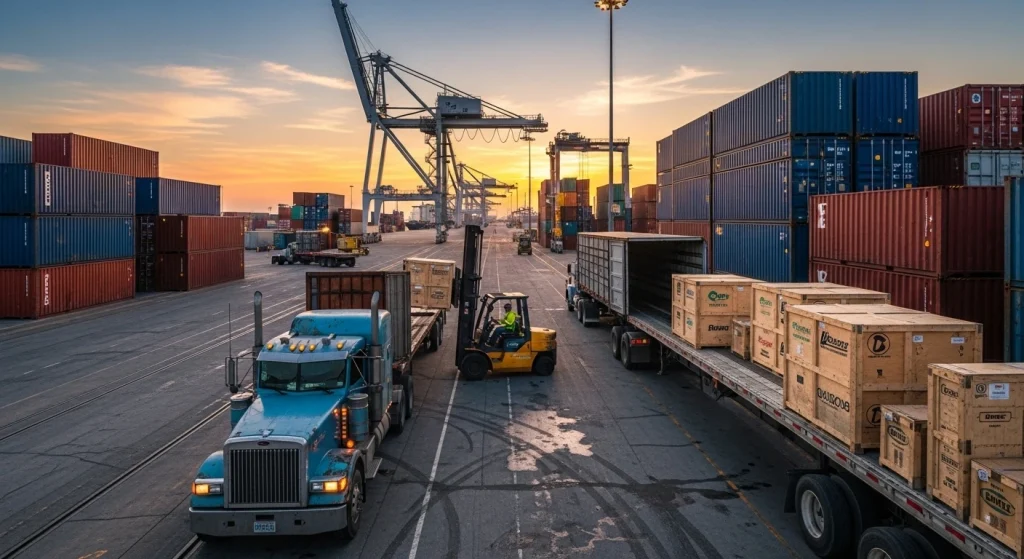
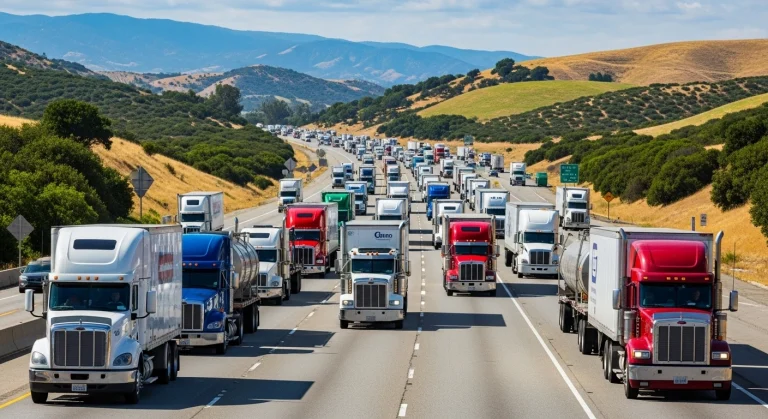
Trucking growth in the United States is gaining strength in 2026, driven by higher freight demand, expanding logistics activity, and new opportunities for carriers and fleet operators.
The U.S. trucking industry is showing solid momentum in 2026, pointing to broader economic stability and expansion. After several years shaped by market volatility, shifting freight rates, and capacity imbalances, the sector is moving into a more favorable cycle fueled by strong domestic demand, evolving trade patterns, and ongoing changes in supply chain strategies.
Trucking remains the backbone of freight transportation in the United States. Most consumer goods, industrial materials, food products, and construction supplies move by truck at some point before reaching their final destination. That central role is exactly what supports the industry’s long-term growth. When the economy is active, trucks are on the road.
A Market Back in Expansion Mode
Industry outlooks for 2026 point to moderate but consistent growth. Rather than the sharp and unpredictable swings seen in recent years, the market is settling into a more balanced expansion supported by healthier operating and business fundamentals. This is welcome news for both large fleets and independent owner-operators, as a more stable environment allows for better revenue forecasting and long-term planning.
One of the key drivers behind this growth is the rebound in freight volumes. As manufacturing activity stabilizes and consumer spending remains steady, demand is rising for transportation between production facilities, distribution centers, warehouses, and retail locations. This steady flow of goods improves equipment utilization and supports more efficient operations across the board.
Trade, Logistics, and New Freight Opportunities
Domestic trade and cross-border commerce with neighboring countries are also playing an important role in 2026. North American supply chains continue to integrate, with more goods moving by truck across borders. This shift is creating new lanes, increasing demand for cross-border expertise, and opening opportunities for carriers that can handle more complex logistics requirements.
At the same time, e-commerce continues to reshape freight patterns. Faster delivery expectations and more localized distribution networks are driving demand for regional and mid-range hauls, in addition to traditional long-haul routes. Carriers that can combine long-distance efficiency with flexibility in shorter, time-sensitive routes are well positioned to grow in this environment.
Technology as a Growth Enabler
Growth in trucking is not only about higher freight volumes. It is also closely tied to how quickly the industry is modernizing. Fleet management platforms, real-time tracking, route optimization software, and data analytics tools are helping companies operate more efficiently and make better decisions.
These technologies reduce empty miles, improve fuel performance, and help identify operational issues before they become costly problems. In a business where margins can be tight, efficiency is a major competitive advantage. Fleets that invest in technology are not only protecting their bottom line but also positioning themselves to capture more freight as the market expands.

A Healthier Balance Between Supply and Demand
Another positive sign in 2026 is the improving balance between available truck capacity and freight demand. After periods of excess capacity in certain segments, the market is moving toward a more sustainable equilibrium. This shift can support stronger rate conditions, particularly on high-demand lanes and in specialized services.
Shippers are also placing greater value on dependable, long-term transportation partners. That trend is leading to more dedicated contracts, premium service agreements, and longer-lasting business relationships. For carriers, this means less exposure to the volatility of the spot market and more predictable revenue streams
Infrastructure Investment Supports Efficiency
Ongoing investment in transportation infrastructure is another factor reinforcing industry growth. Upgrades to highways, bridges, and key freight corridors help reduce transit times and improve safety. A more reliable road network allows fleets to operate more efficiently, cut operating costs, and deliver more consistent service.
These improvements strengthen the competitive position of trucking compared to other modes of freight transportation, especially for time-sensitive and high-value shipments.
Looking Ahead
The combination of steady freight demand, technological progress, and more integrated logistics networks makes 2026 a strong year for the trucking industry. Challenges remain, including operating costs and the continued need to recruit and retain qualified drivers, but the overall market foundation is solid.
For carriers, fleet operators, and logistics providers, the message is clear: focus on efficiency, build strong customer relationships, and stay adaptable as freight patterns continue to evolve. Growth in the U.S. trucking industry is not just a forecast for the future — it is already shaping the direction of the market today.

Love on the open road: the best dating apps for truckers
If you’re looking for someone to go the long haul with, here are the best dating apps for truck drivers. They say love is everywhere…

The most congested cities in the U.S. and the world in 2025
The annual TomTom Traffic Index produces a ranking of the most congested cities in the world. The annual TomTom Traffic Index presents an analysis of

Steady Growth Signals Strong Momentum in the U.S. Trucking Industry
Trucking growth in the United States is gaining strength in 2026, driven by higher freight demand, expanding logistics activity, and new opportunities for carriers and fleet operators.

Escalating litigation costs in the U.S. trucking industry
Civil liability litigation has become increasingly costly for businesses, particularly for the trucking industry. Civil liability litigation has become increasingly costly for businesses, particularly for

Is Tesla saying goodbye? Is the end of the road for these models
During Tesla’s earnings call, CEO Elon Musk announced both models that will be discontinued in the second quarter of 2026. Is Tesla saying goodbye? Not

Black Ice: The Invisible Danger on Winter Roads
Black ice is one of the most dangerous road conditions during winter because it forms a nearly invisible layer over the pavement. It eliminates traction and can cause a total loss of vehicle control in seconds.