 Hable con un agente al (888) 572-7520
  Enviar mensaje a un agente


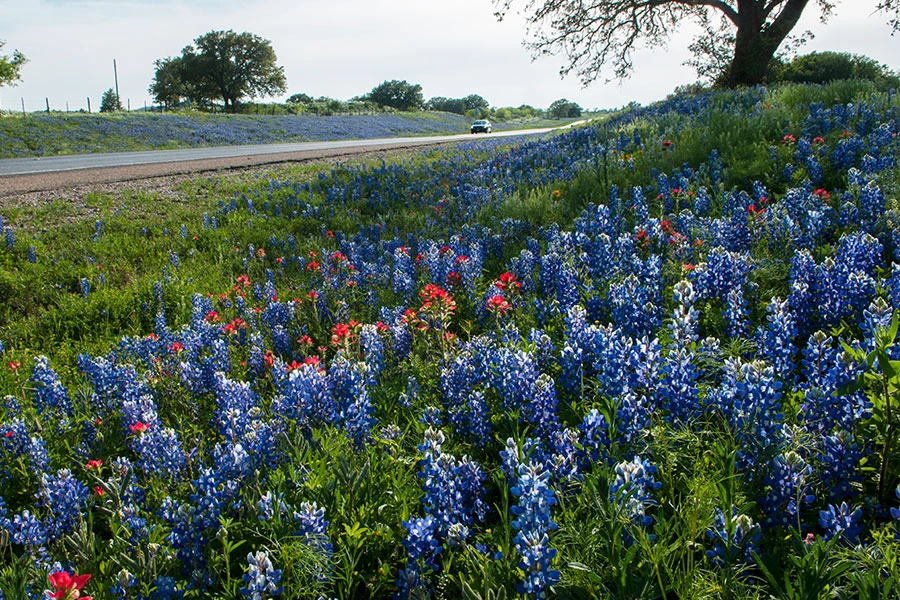
Anyone who has driven across Texas has probably seen one of the state’s most distinctive sights: vast stretches of wildflowers growing along the roadside. Bluebonnets are the most recognizable, but they are far from the only species found along Texas highways.
There is much more behind that landscape than nature alone.
The Texas Department of Transportation (TxDOT) Wildflower Program is part of a vegetation management strategy that has been developing along the state’s roadways for decades.
The goal is not simply to make Texas highways more attractive.
Wildflowers and native grasses help reduce maintenance needs, conserve water, control erosion, and provide habitat for different wildlife species.
And the scale of the program is enormous: more than 5,000 species of wildflowers and native grasses grow along Texas roadsides, while TxDOT purchases and sows approximately 30,000 pounds of wildflower seeds every year.
So when miles of flowers appear alongside a Texas highway, that landscape is often also the result of a road and environmental management strategy that began nearly a century ago.
Why Does Texas Want Wildflowers Along Its Roads?
One of the main reasons has to do with something much less romantic than bluebonnets: the cost of maintaining thousands of miles of roadside vegetation.
Native species are naturally adapted to the environmental conditions found across different regions of Texas.
That means they can require less intervention than other types of vegetation.
According to TxDOT, encouraging native species to grow can reduce maintenance and labor costs because these areas may require less mowing and care.
Rather than constantly maintaining roadsides as if they were landscaped gardens, the strategy takes advantage of vegetation capable of growing naturally in each region.
And Texas has enormous diversity.
Soil, moisture, temperature, and drainage conditions vary considerably across the state. That is why TxDOT even provides regional seed lists to help determine which species are best suited to different parts of Texas.
Why Doesn’t TxDOT Mow All the Roadside Vegetation?
This is another key part of the program.
An area of tall vegetation along a highway does not necessarily mean that maintenance has been neglected.
TxDOT uses specific techniques that allow wildflowers and native grasses to complete their natural cycles without compromising road safety.
One of those techniques is known as safety mowing, or strip mowing.
The system allows crews to mow certain strips needed to maintain adequate visibility and safety while leaving other areas untouched for longer periods.
The reason is biological.
Many wildflowers growing along roadsides need to complete their lifecycle and produce seeds in order to return during a later growing season.
Mowing all the vegetation too early can interrupt that process.
That is why the timing and frequency of mowing are part of a broader vegetation management strategy.
A Policy That Began Nearly a Century Ago
Texas’ relationship with roadside wildflowers has a much longer history than many drivers might imagine.
After the Texas Highway Department was established in 1917, highway officials began noticing that wildflowers were among the first plants to naturally reappear in cuts, fills, and other areas disturbed by road construction.
In 1932, the department hired Jac Gubbels, its first landscape architect, to help preserve and encourage wildflowers and other native plants along highway rights of way.
Two years later, an important change followed.
In 1934, department rules began delaying certain mowing operations — except when necessary for safety — to allow wildflowers to complete their development.
That philosophy gradually evolved into the comprehensive vegetation management system TxDOT uses today.
In other words, the presence of wildflowers along Texas highways is not the result of a recent campaign.
Texas has been incorporating native vegetation into the management of its roadways for generations.
Bluebonnets Are Only Part of the Landscape
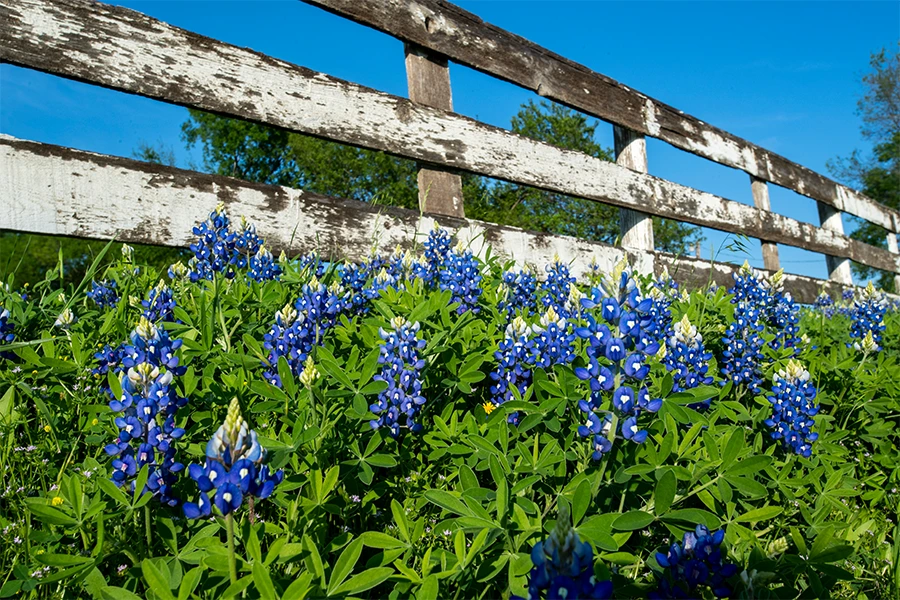
Although bluebonnets are practically synonymous with Texas, they represent only part of the plant diversity found along the state’s roadsides.
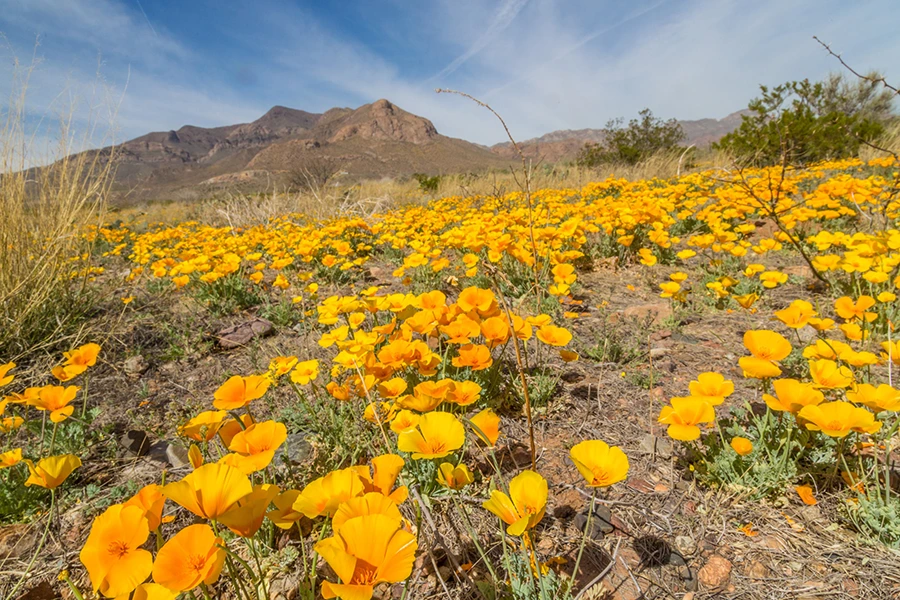
Black-eyed Susans, Indian paintbrushes, and many other varieties are also part of Texas’ natural ecosystems.
TxDOT works with species suited to different regions and considers factors such as location, soil, and drainage when determining which varieties to establish.
The agency even provides specific information on planting bluebonnets.
The result is that highway roadsides can function as extensions of the natural landscapes they pass through rather than simply becoming strips of land that require constant mowing.
Wildflowers Also Help Protect the Soil
There is another benefit that is less visible from the cab of a truck.
Wildflowers and native grasses contribute to erosion control.
Their root systems help stabilize the soil around roads and reduce soil loss caused by water and wind.
They also help conserve water and allow highway rights of way to blend more naturally with the surrounding environment.
In a state the size of Texas, properly managing these areas is significant.
It is not only about the strip of land immediately next to the pavement. Highways cross enormous rural, agricultural, and natural areas where rights of way become part of the broader landscape.
These vegetated areas can also provide food and shelter for insects, birds, and other wildlife.
As a result, a highway roadside can serve several purposes at once: protecting the soil, reducing maintenance, preserving native vegetation, and providing wildlife habitat.
Texas Sows About 30,000 Pounds of Wildflower Seeds Every Year
The scale of the program shows that this is far more than a symbolic initiative.
TxDOT purchases and sows approximately 30,000 pounds of wildflower seeds every year.
However, a fundamental part of the strategy is avoiding the need to start from scratch each year.
The agency wants established plants to complete their lifecycle, produce seeds, and return naturally when conditions are favorable.
That is also why visitors are asked not to damage the flowers.
Excessive trampling can prevent certain plants from producing seeds. TxDOT also discourages picking wildflowers for the same reason.
Preserving existing plants is considered part of protecting the investment Texas has made in its highway rights of way over decades.
Much More Than a Texas Postcard
For a truck driver crossing Texas, the flowers growing alongside an interstate, state highway, or rural road may simply look like part of the scenery.
But behind them is a strategy that combines highway maintenance with environmental conservation.
Texas recognized decades ago that allowing native vegetation to grow in a controlled way could provide practical benefits.
Today, the Wildflower Program uses those characteristics to reduce maintenance, conserve water, fight erosion, and protect ecosystems along the state’s roadways.
Bluebonnets have become the most famous symbol of that policy, but the program itself goes much further.
That is why Texas roads have so many wildflowers.
They are not there simply to make the drive more beautiful: they are part of how Texas manages and protects the roadsides along one of the largest highway networks in the United States.
 Business hours: Monday to Friday from 8:00 AM to 5:00 PM. California time