 Hable con un agente al (888) 572-7520
  Enviar mensaje a un agente



Texas has become one of the most attractive states in the United States for those looking to build a career as a professional truck driver. Its enormous size, industrial and agricultural activity, and the importance of freight transportation to its economy create numerous job opportunities for truck drivers.
One of the greatest advantages Texas has to offer truck drivers is its constant movement of freight along some of the busiest corridors in the entire country. The state has a diversified economy that includes sectors such as oil and gas, manufacturing, construction, agriculture, trade, and technology, all of which require ground transportation to move raw materials, finished products, and supplies.
What Makes Texas a Good Place to Be a Truck Driver?
Texas has a strategic location within the United States. It shares an extensive border with Mexico and has major highway connections with states such as New Mexico, Oklahoma, Arkansas, and Louisiana. This makes the state a key point for national and international trade routes.
Eighty-five percent of trade between Texas and Mexico is carried by trucks, so the trade relationship between Texas and Mexico represents another important advantage for transportation professionals. Border cities such as Laredo, El Paso, McAllen, and Brownsville actively participate in the exchange of goods between the two countries. Laredo, in particular, is one of the main entry points for products coming from Mexico into the United States. The constant movement of goods creates significant demand for transportation and logistics services.
For truck drivers interested in international transportation, this connection can provide opportunities to work on routes related to cross-border trade. It can also be particularly attractive for bilingual drivers, as speaking Spanish and English can facilitate communication with customers, dispatchers, warehouses, and logistics personnel.
Major Cities and Numerous Logistics Hubs
Texas is home to major urban centers such as Houston, Dallas-Fort Worth, San Antonio, and Austin, where companies, warehouses, distribution centers, and industrial operations that depend on highway transportation are concentrated.
Dallas-Fort Worth, for example, stands out for its enormous logistics activity and its central location within the country. Houston, on the other hand, has strong ties to the energy, industrial, and port sectors. The economic diversity of these cities allows truck drivers to find different types of employment opportunities.
This can also make it easier for drivers who prefer to remain relatively close to a city rather than spend entire weeks on interstate routes to find employment.

Extensive Highway Network
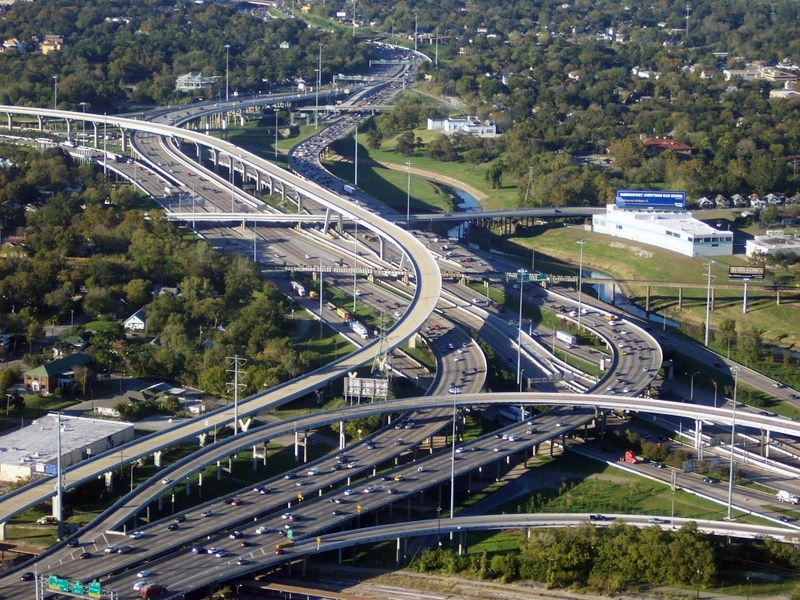
Another important factor is the state’s road infrastructure. Texas is the second-largest state, after California, in both population and vehicle miles traveled per year, with trucks accounting for 12% of vehicle miles traveled. This is partly because Texas has the most extensive network of highways and interstates in the country.
For a truck driver, having an extensive highway network means access to multiple destinations and job opportunities. Some of the most important routes include:
- I-45 – Connects the Port of Houston with the northern United States through Houston and the Dallas-Fort Worth metropolitan area.
- I-40 – Crosses the Texas Panhandle and connects Oklahoma with New Mexico.
- I-35 – Connects the U.S.-Mexico border in Laredo with North Texas through San Antonio and the Dallas-Fort Worth metropolitan area.
- I-30 – Connects the northern Texas border with Louisiana and Arkansas.
- I-20 – Connects the northern Texas border with Louisiana all the way to El Paso.
- I-10 – Connects the Port of Houston with all the states along routes to and from California and Florida.
Opportunities for Experienced and Beginner Truck Drivers
There are more than 66,000 trucking companies in Texas and more than 185,000 truck drivers employed in the state, with an average salary of $34,500. Texas can be an interesting option both for experienced drivers and for people who want to start a career in commercial transportation.
The Lone Star State is also attractive because its economy generates many different types of freight. A driver can find opportunities involving food, agricultural products, construction materials, general freight, industrial products, and energy, among other sectors.
This diversity allows some truck drivers to develop a specialization. For example, those with the necessary certifications and experience can pursue jobs involving specific types of freight or specialized vehicles.
Specialization can be a way to expand professional opportunities and gain experience in specific areas of the transportation industry.
In conclusion, Texas is a good place to be a truck driver mainly because of its strong economy, extensive highway network, strategic location, and trade connections with Mexico and other U.S. states. The presence of major logistics hubs and a wide variety of industries creates consistent demand for freight transportation.
In addition, those who are fluent in Spanish and English may find an additional advantage in certain areas related to cross-border trade. With the proper training, the appropriate licenses, and a careful evaluation of working conditions, Texas can offer a wide range of opportunities for building a career in trucking.
Its dynamic economy and position as one of the country’s major trade corridors make transportation a fundamental industry with numerous professional opportunities.
 Business hours: Monday to Friday from 8:00 AM to 5:00 PM. California time