Several U.S. states intensify legal efforts against license plate flippers.
Several U.S. states are stepping up legal efforts to combat the use of devices known as license plate flippers, amid a significant rise in their use to evade traffic enforcement and legal penalties.
These devices, whether manual, electric, or mechanical, allow drivers to hide or alter their vehicle’s license plate. Their use has been linked to toll evasion, reckless driving, and other illegal activities.
In states like New York, the use of fake or obscured plates has become a serious issue. In 2023 alone, according to data from MTA Bridges and Tunnels, hidden license plates resulted in more than $21 million in unpaid tolls.
The issue is widespread across many other parts of the country. Although most states still lack specific laws to directly penalize individuals using fake plates or plate-altering devices, authorities are actively working to establish stricter legal frameworks.

States taking action against license plate flippers
Currently, at least seven states have banned the use of these devices. Texas and Washington were among the first to pass legislation on the issue, followed this year by Florida, Tennessee, and Pennsylvania. More recently, Illinois and Delaware have also enacted laws to restrict their use.
In Illinois, the new law prohibits the use of plate flippers, as well as the use of tape or any material to obscure license plates or state-issued registration documents. The law will take effect on January 1, 2026.
State Senator Steve Stadelman, a Democrat from Rockford, supported the measure, stating that “all drivers should follow the same rules on the road.” He added that the law is intended to “hold bad actors accountable” and promote responsible driving, according to Land Line.
Meanwhile, in Delaware, the new law is already in effect. It is now a criminal offense to manufacture, sell, purchase, possess, or use these devices. Penalties for a first offense range from 30 to 90 days in jail and fines between $50 and $200. Repeat offenders could face up to six months in jail and fines of up to $300.
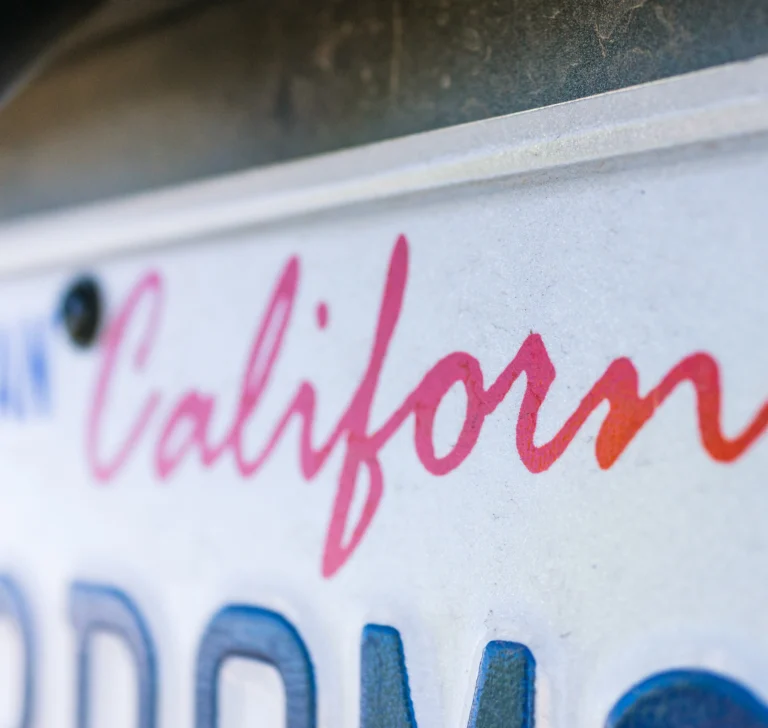
In California, the use of license plate flippers and plate covers has been illegal since 2008. However, the continued availability of these products online has prompted Assemblymember Catherine Stefani, a Democrat from San Francisco, to introduce Assembly Bill 1085, which was recently sent to Governor Gavin Newsom.
The bill aims to close legal loopholes by explicitly banning tinted, shaded, or interchangeable license plate covers. It would also increase fines to $1,000 per device manufactured or sold, up from the current $250. If passed, the law would take effect on January 1, 2026.
According to data from the California Highway Patrol, nearly 6,000 citations were issued for the use of hidden plates between 2022 and 2024.

A problem that must be tackled at the root
These measures aim to curb illegal actions that hinder safety and justice enforcement on U.S. roadways. If the widespread use of these devices continues, it is likely that states will keep tightening the penalties associated with license plate flippers.
More and more states are supporting these initiatives and looking to adopt similar measures. However, this is a problem that must be addressed at its root. Some experts argue that sanctions should target those who manufacture or sell these devices in every state. Otherwise, the issue will persist, and drivers will continue finding new ways to evade the law.

Frozen Roads After Bomb Cyclone: Black Ice, Record Snow and High Risk for Trucks
Frozen roads continue to disrupt freight transportation following the impact of a powerful bomb cyclone, leaving behind black ice, highway shutdowns, power outages, and dangerous winter driving conditions stretching from the Gulf Coast to New England.

Lunar New Year 2026: Ancient Traditions, Renewed Energy, and Massive Celebrations
Lunar New Year 2026 begins on February 17 under the sign of the Fire Horse and is marked by spiritual rituals, family reunions, and large-scale celebrations in both China and the United States, especially in California.

Freedom 250 Grand Prix: How Logistics and Transportation Will Power the Race in Washington
The first-ever IndyCar street race in Washington, D.C., scheduled for August 21–23, will headline the United States’ 250th anniversary celebrations — and it will trigger a massive transportation, freight, and urban logistics operation behind the scenes.

Groundhog Day: What It Means for Trucking When “Phil Sees His Shadow”
The forecast from America’s most famous groundhog is calling for more winter — and that’s an important signal for the trucking industry and cold-season route planning

Love on the open road: the best dating apps for truckers
If you’re looking for someone to go the long haul with, here are the best dating apps for truck drivers. They say love is everywhere…

The most congested cities in the U.S. and the world in 2025
The annual TomTom Traffic Index produces a ranking of the most congested cities in the world. The annual TomTom Traffic Index presents an analysis of