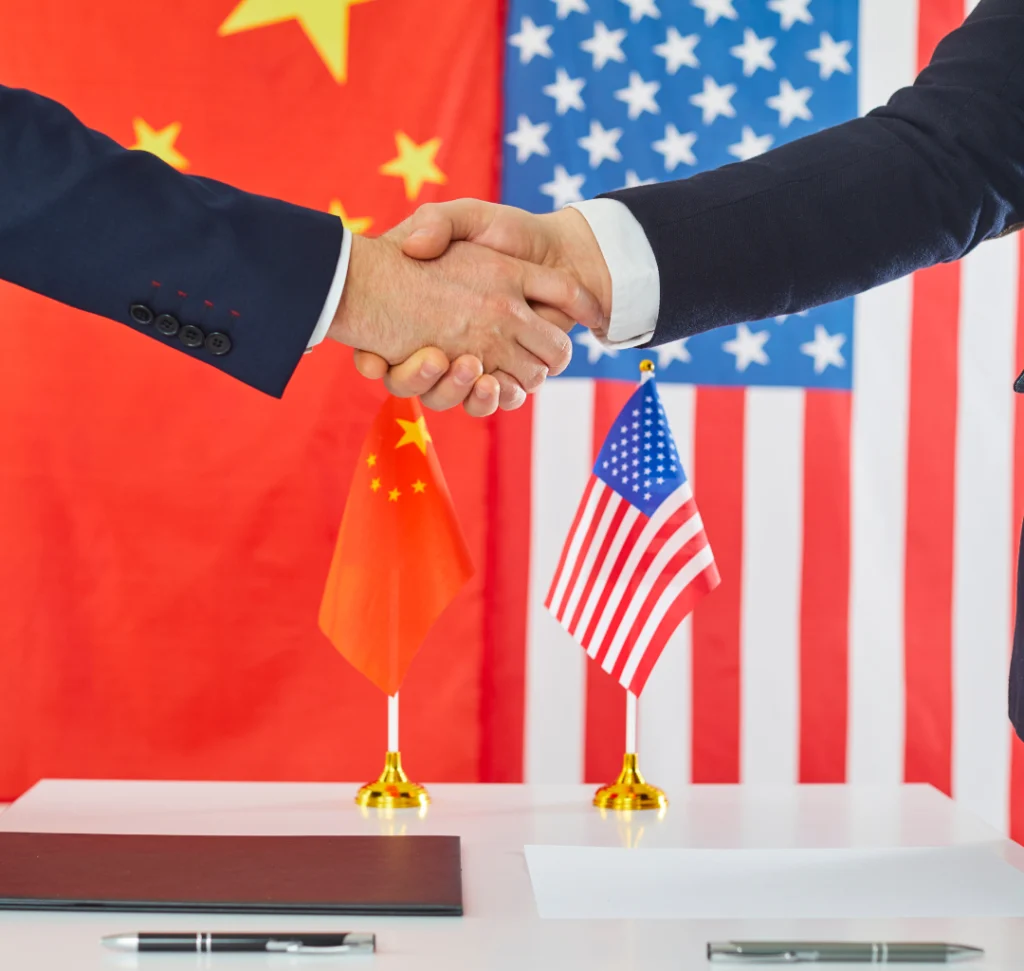
A new 90-day extension on tariffs against China was announced on Monday, August 11.
The United States and China agreed to temporarily suspend the increase of tariffs on each other’s products until November 10, representing a 90-day extension. The announcement came just hours before the previous extension expired.
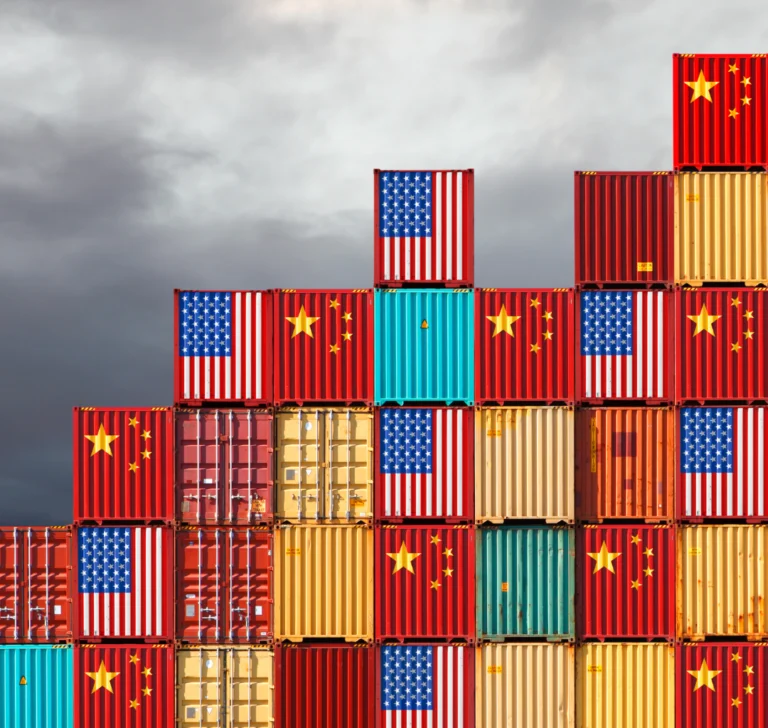
During this period, the United States will maintain the 30% tariff on Chinese imports, while China will keep the 10% tariff on American products. New agreements will be negotiated within these 90 days to establish the final tariff rates governing trade between the two countries.

China and the United States reach another tariff agreement
The postponement agreed upon by both countries was intended to prevent tariffs from reaching the 145% and 125% levels initially proposed by China and the United States, respectively. Following the agreement, U.S. President Donald Trump signed an executive order granting an additional 90-day delay before the tariffs are implemented. In a statement, he said that China is seeking measures to address U.S. economic and national security concerns, which led to this agreement.
Chinese authorities indicated that the extension provides time for both countries to continue negotiating key trade issues, such as the trade deficit and tariff reductions. Currently, the largest trade deficit of the United States is with China, reaching $295.4 billion in 2024. This imbalance has been a persistent problem in the commercial relationship between the two nations and a central point of tension in the negotiations.
China has also reportedly agreed to ease some restrictions on exports of rare earth metals to the United States, another critical topic on the bilateral trade agenda, according to NBC.

90 days to implement reciprocal tariffs
After two days of negotiations in Stockholm in July, Trump decided to extend the truce. These talks, led by Treasury Secretary Scott Bessent and Chinese Vice Premier He Lifeng, marked the third round of dialogue between Washington and Beijing in less than three months.
Although Chinese officials expressed satisfaction with the progress made in Stockholm and U.S. cabinet members anticipated the extension, the agreement remained fragile. Bessent had indicated that the extension would ultimately depend on Trump’s decision, which was confirmed on August 11.
The negotiations between China and the United States have taken a different path than other trade discussions the Trump administration holds with its allies, focusing instead on implementing reciprocal tariffs and sector-specific levies in various economies.
The 30% tariffs imposed by Trump include an additional 20% levy related to fentanyl, plus a base charge of 10%. These add to the tariffs already established on certain Chinese products during his first term. For now, all that remains is to wait for the next agreement the two powers manage to reach within the 90-day timeframe.

Freedom 250 Grand Prix Set to Make History in America’s Capital
Organized by INDYCAR in collaboration with the White House, the “Freedom 250 Grand Prix” will combine high-speed racing with a celebration of American patriotism.

Safe Driver Week 2026 Begins: Stay Prepared
The Safe Driver Week by the Commercial Vehicle Safety Alliance (CVSA), officially began on July 12.

ICE Expands Inspections for Truck Drivers: Required Documents
ICE agents have joined commercial vehicle inspections at selected U.S. weigh stations. Drivers should be prepared to present a valid CDL, vehicle documents, proof of legal work authorization, and meet the federal English proficiency requirement.

Common DOT Violations and How to Avoid Them
Common Department of Transportation (DOT) violations for truck drivers in Texas and California and how to avoid them.

New World Screwworm Cases Rise in Texas as Origin Remains Unknown
Uncertainty surrounds the spread of the New World screwworm in Texas; experts still don’t know how it entered the U.S.

Cyclospora Outbreak: How to Protect Your Health on the Road
The Cyclospora outbreak has already sickened more than 1,400 people in states including Michigan, Ohio, Illinois, Indiana, New York, North Carolina, and Texas. For truck drivers, recognizing the symptoms and preventing dehydration could make the difference between a safe trip and an unexpected stop.