 Hable con un agente al (888) 572-7520
  Enviar mensaje a un agente

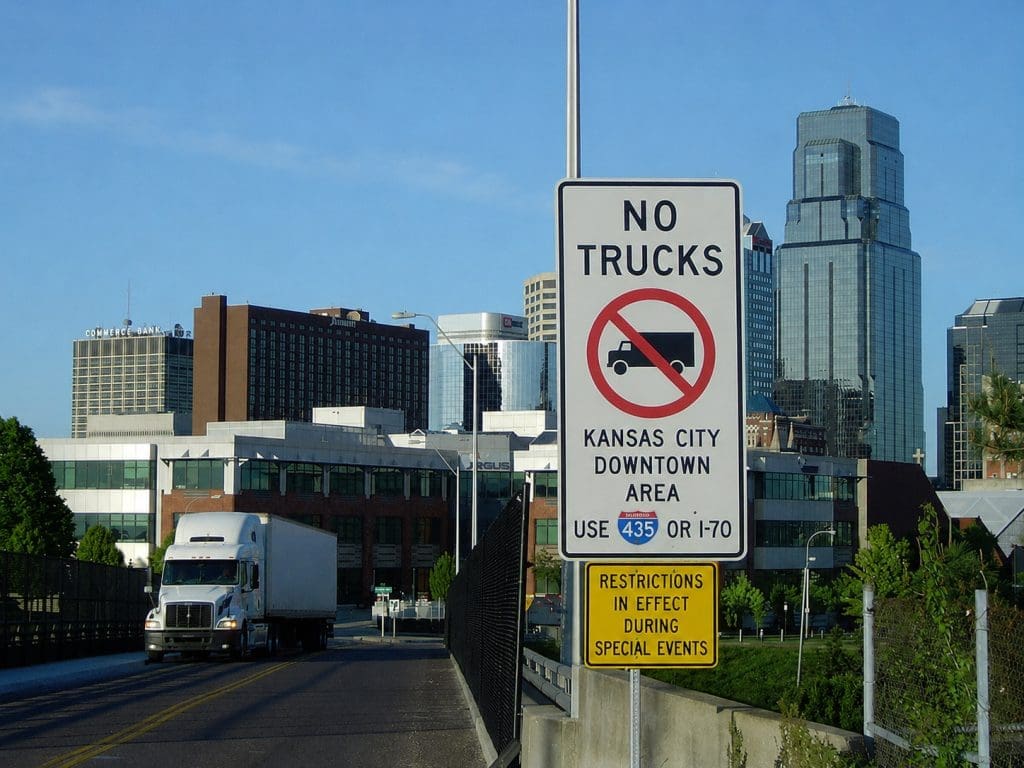

The Missouri Department of Transportation (MoDOT) is urging truck drivers and freight carriers to avoid Kansas City during the 2026 FIFA World Cup whenever possible. The recommendation may sound unusual, but transportation officials believe it could help prevent one of the largest traffic disruptions the Midwest has experienced in years.
Kansas City is one of the host cities for the FIFA World Cup 2026, and officials expect hundreds of thousands of visitors to arrive between June 11 and July 19. Fans, media personnel, tournament staff, sponsors, security teams, and international travelers are expected to flood the region, placing enormous pressure on roads, airports, public transit systems, hotels, and freight corridors.
For truck drivers, the warning is simple: if a delivery can be rerouted around Kansas City during major match days, it probably should be.
A Freight Hub Facing an Unprecedented Surge
Kansas City is not just a sports destination. It is one of America’s most important freight hubs.
Major interstate highways including I-70, I-35, I-29, and I-49 intersect in the metropolitan area, making the city a critical gateway for cargo moving between the East Coast, West Coast, Canada, Mexico, and the Southern United States.
Every day, thousands of commercial vehicles pass through the region carrying food products, consumer goods, industrial materials, automotive parts, agricultural commodities, and e-commerce shipments.
The arrival of World Cup traffic creates a unique challenge. Unlike a normal holiday weekend, tournament-related travel will be spread across several weeks, with repeated peaks tied to match schedules and fan activities.
Transportation planners expect congestion not only around stadiums but also along major interstate approaches, downtown corridors, airport access routes, hotel districts, entertainment zones, and logistics centers.
MoDOT’s Plan to Reduce Congestion
To prepare for the event, MoDOT has already implemented several extraordinary measures.
Perhaps the most significant decision is the suspension of nearly all non-essential road construction projects in the Kansas City region. Work zones that would normally reduce highway capacity have been removed wherever possible to maximize available lanes.
The agency has also announced that traffic management centers will be fully staffed throughout the tournament period. These centers monitor traffic conditions in real time and can quickly update electronic message boards, coordinate emergency responses, and issue travel advisories.
Officials hope these measures will reduce delays, but they acknowledge that infrastructure improvements alone cannot eliminate congestion caused by hundreds of thousands of additional travelers.
That is why freight operators are being encouraged to participate in the effort by adjusting schedules, rerouting shipments, and avoiding unnecessary trips through the metropolitan area during peak travel periods.
What Truck Drivers Can Expect
For truckers entering the region during the tournament, several challenges are likely.
Heavy traffic near interstate interchanges could increase travel times significantly, particularly during morning and evening periods surrounding matches.
Parking demand may also affect truck stops, fuel stations, and rest areas as visitors occupy available space.
Access to some downtown locations could become more difficult due to temporary security zones, traffic controls, event-related closures, and increased police activity.
Drivers should also expect slower movement near Kansas City International Airport, which is expected to handle a dramatic increase in passenger traffic throughout the tournament.
Even small delays can create a ripple effect across supply chains. A truck arriving late at a distribution center may miss its unloading appointment, affecting warehouse operations and downstream deliveries.
Lessons from Previous Mega Events
Transportation agencies often study previous World Cups, Olympic Games, and Super Bowls when preparing for major events.
One consistent lesson is that freight traffic can become one of the most effective tools for reducing congestion when carriers voluntarily adjust schedules.
In some international host cities, nighttime deliveries, alternate routing strategies, and temporary logistics hubs helped keep goods moving while reducing pressure on crowded roadways.
Kansas City officials appear to be following a similar approach by encouraging carriers to plan ahead rather than react to traffic conditions after they develop.
The Economic Opportunity Behind the Congestion
While traffic delays are a concern, the World Cup also represents a major economic opportunity.
Hotels, restaurants, retailers, entertainment venues, transportation providers, and logistics companies are expected to benefit from increased demand.
Additional freight movements will be required to support stadium operations, food service providers, merchandise distributors, hospitality businesses, and event infrastructure.
This means some trucking companies may actually see increased business opportunities despite the congestion risks.
The key will be careful planning.
Carriers that monitor traffic conditions closely, communicate with customers, and adjust delivery schedules proactively may be able to avoid the worst delays while taking advantage of increased freight demand generated by the tournament.
Planning Ahead Is Essential
For professional drivers, the message from transportation officials is not necessarily to avoid Kansas City completely. Instead, it is to understand that the city will operate differently during one of the largest sporting events in the world.
Checking traffic conditions before departure, monitoring real-time updates, and considering alternate routes may save valuable time and reduce operational costs.
With the FIFA World Cup expected to bring unprecedented visitor numbers to the region, proactive planning could make the difference between a routine delivery and hours spent sitting in traffic.
For truckers moving freight across the Midwest this summer, Kansas City is likely to remain one of the most closely watched transportation hotspots in the country.
For fans attending matches or the official fan festival, the ConnectKC26 transportation plan will guide them through designated parking hubs and dedicated bus routes. Complete details and updates are available at: https://kansascityfwc26.com/ .
 Business hours: Monday to Friday from 8:00 AM to 5:00 PM. California time