A new Winter Storm is set to slam regions already hit hard over the Thanksgiving weekend—an alarming reminder that it is still technically autumn despite conditions that feel like mid-February.
Winter weather fatigue has arrived early this year in the United States. Although the calendar says autumn, the atmosphere is behaving like deep winter, and a new Winter Storm is barreling from the Plains toward the Northeast.
The system is expected to bring another round of snow, ice, dangerous wind chills, and widespread travel disruptions—just as millions try to return to normal routines after one of the most chaotic post-Thanksgiving travel weekends in years.
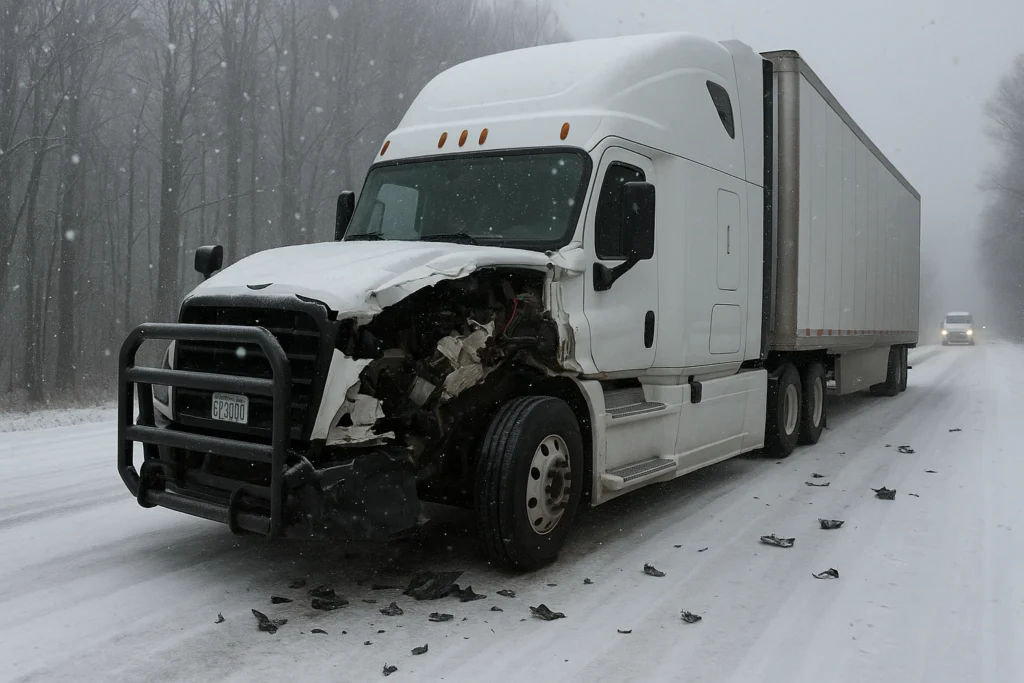
Over the holiday weekend, heavy snow clobbered the Midwest and Great Lakes, with Chicago reporting record-breaking November totals. Multiple interstates were shut down for hours, and semi-trucks ended up stranded on iced-over stretches of highway, including dramatic scenes from Iowa City where tractor-trailers became stuck in deep snow. Thousands of flights were delayed or canceled, and many travelers faced gridlock across multiple states.
Now, before crews can fully clear roads and restore normal traffic flow, another storm is forming—and it is already showing signs of becoming a high-impact event.
A New System Takes Shape in the West
The storm began building over the western U.S. over the weekend as a strong low-pressure system funneled Pacific moisture into the Northwest, Great Basin, and Rockies. Higher elevations picked up new layers of snow, while lighter flurries fell across lower valleys.
This spinning energy will intensify as it teams up with deep Gulf moisture, creating a widespread shield of precipitation stretching thousands of miles.
On Monday, snow and a wintry mix will expand across the Central Plains, Mississippi Valley, lower Midwest, and Great Lakes. Cities such as Des Moines, St. Louis, and Chicago are forecast to receive several additional inches—adding to the already difficult road and airport conditions.
Lake-effect snow, still lingering from the holiday weekend system, will keep portions of the Great Lakes region buried in steady snowfall. For trucking companies and long-haul drivers, these combined factors mean slower routes, detours, and the possibility of extended shutdowns on primary freight corridors.
Winter Storm Chan will intensify across the mid-Atlantic and Northeast beginning Monday night. Here's how much rain and snow the East Coast should expect: https://t.co/CCUwnNgm7E pic.twitter.com/iGDwYvOe5I
— The Weather Channel (@weatherchannel) December 1, 2025
Snow, Rain, Ice—and Dangerous Uncertainty
By Monday night and into Tuesday, the Winter Storm will strengthen as it pushes east, bringing widespread rain to the Southeast, Mid-Atlantic, and Gulf Coast. Flash flooding is possible in the South, where saturated ground and heavy rain overlap.
The colder northwest side of the storm will pull snow into the Appalachians and interior Northeast. Just south of the heaviest snow bands, warm air overriding frozen ground could produce freezing rain—a serious hazard for truckers traveling through higher elevations of Virginia and North Carolina. Even a small glaze of ice is enough to cause jackknifed semis, power outages, and multi-mile backups.
One of the biggest uncertainties remains the I-95 corridor, the backbone of the East Coast freight network. New York City, Philadelphia, Washington, D.C., and Boston may start with snow Tuesday morning. But whether that snow sticks or rapidly transitions to rain depends on the precise track of the low-pressure center—just a slight wobble could change travel conditions dramatically.
For truckers, dispatchers, and logistics coordinators, this means planning multiple scenarios and checking real-time data frequently.
Arctic Cold Arrives Next
As the storm exits, colder air will surge in behind it. Much of the central and northern U.S. will remain stuck in the teens and 20s on Monday and Tuesday. Wind chills will make temperatures feel even lower, ensuring that snow and ice from both storms will persist.
Later in the week, a stronger blast of Arctic air is expected to sweep across the central and eastern U.S., driving temperatures toward record lows for early December. Some areas may approach daily cold records on Thursday and Friday.
Meteorologists warn that this could be only the beginning: a potential disruption of the polar vortex suggests more frigid outbreaks are possible deeper into December—again, even though winter has not officially begun.
Key Safety Tips for Truckers During This Winter Storm
1. Allow for extended travel times
Mountain regions and Midwestern corridors will experience the heaviest snow and ice. Add buffers for delivery schedules and avoid strict deadlines where possible.
2. Check state 511 systems frequently
Road conditions may change by the hour. Monitor updates, especially along I-80, I-90, I-70, and the I-95 corridor.
3. Watch for freezing rain risks
Ice is far more dangerous than snow. Reduce speed, avoid sudden braking, and increase following distance.
4. Equip for emergency conditions
Carry chains, warm gear, blankets, nonperishable food, flashlights, and a fully charged power bank.
5. Keep fuel tanks above half
Prevents line freeze and reduces risks if stranded by sudden road closures.
6. Maintain communication with dispatch
Regular check-ins allow planners to adjust routes, avoid dangerous segments, and reassign loads if necessary.
7. Avoid parking on highway shoulders
Snowplows and low visibility can make shoulders extremely dangerous during storms.

What Regulations Have Changed for Truck Drivers in the U.S. in 2026?
Learn about the new trucking regulations in the United States for 2026, upcoming FMCSA changes, and how they will affect drivers and trucking companies.

Apocalyptic-Looking Sky in Ontario Goes Viral Amid Wildfires
Wildfires swept across Ontario, Canada and smoke spread as far as the U.S. border.

The Biggest Match of the World Cup Was Played Off the Field
More than 453 metric tons of equipment, around 5,000 trucks and support vehicles, and simultaneous operations across 16 host cities kept the largest FIFA World Cup in history running.

DEF Act: 10 Years of Legal Protection for EPA Diesel Emissions Guidance
The Diesel Engine Flexibility (DEF) Act would protect agricultural and transportation businesses by building on the diesel emissions guidance by the EPA.

License Plate Readers Raise Privacy Concerns for Truck Drivers
Concerns are growing over the impact license plate readers could have on the privacy and security of truck drivers.

IMF Warns: The World Is Approaching an Energy Crisis
The IMF says the global oil market managed to absorb the initial shock of the Middle East conflict, but warns that the strategic reserves and commercial inventories used to prevent a supply crisis have been largely depleted.