International Day for the Elimination of Violence against Women is observed today, November 25.
International Day for the Elimination of Violence against Women is observed today, November 25. This commemoration marks the beginning of the 16 Days of Activism against Gender-Based Violence, a global campaign that seeks to amplify the voices of women who have experienced violence and raise awareness among the broader population about the challenges that persist today. The campaign concludes on December 10, Human Rights Day, emphasizing that women’s rights constitute a fundamental category requiring immediate attention.
This year’s theme, “UNiTE to End Digital Violence,” highlights the failures of systems meant to combat online abuse. According to UN Women, between 16% and 58% of women worldwide have experienced some form of digital violence; however, fewer than 40% of countries have laws against cyber harassment.
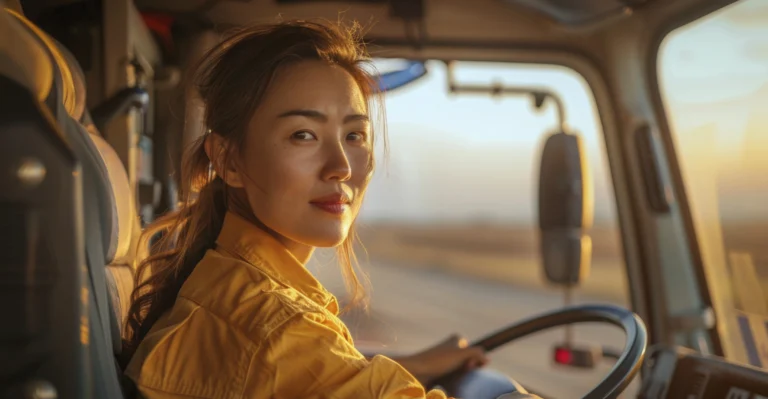
This issue persists across all sectors, and unfortunately, the road transport industry is no exception. The lack of safety and equity policies for women in this field remains evident, and on the International Day for the Elimination of Violence against Women, we reflect on this reality.
Main challenges for women in the transportation industry
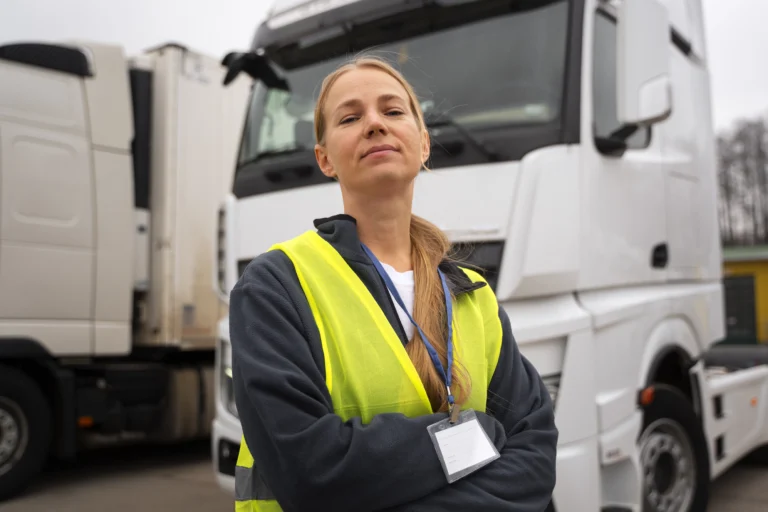
The number of women working as truck drivers in the transportation industry has increased in recent years. According to Women in Trucking, by 2022 the percentage of women holding a Class A commercial driver’s license had risen significantly. Even so, they remain a minority in a sector historically dominated by men.
Although organizations such as Women in Trucking (WIT) provide support specifically for women in the trucking sector, working conditions still fall short of the standards required to ensure a truly safe work environment. Studies, reports, and surveys show that women in this industry face multiple challenges regarding safety and equity. The most common include:
Road safety and rest areas
Rest areas are often poorly lit or isolated, making many women feel unsafe when parking in these locations. There are high levels of harassment and gender discrimination within the industry, according to the American Transportation Research Institute (ATRI), which further increases the insecurity experienced by female drivers.
In addition to safety concerns, these spaces are not designed with women’s needs in mind: inadequate or poorly maintained showers, unsafe or dirty restrooms, and lack of privacy.
Gender stereotypes and discrimination
Women in the trucking industry often must work twice as hard to prove they are competent. Deeply rooted, and incorrect, assumptions about their ability to drive a truck limit the opportunities available to them in professional settings.
There are also barriers in training: instructors with biases, lack of patience, or programs poorly adapted to the realities faced by women. According to various reports, a significant number of women drop out during truck-driving training due to cost, lack of support, or unfavorable conditions.
Work–life balance
A truck-driving job involves long hours on the road, making it difficult to spend time with family, especially for those with children or domestic responsibilities. As a result, many women prefer regional routes or positions with less time away from home to maintain a healthier balance, since domestic responsibilities often fall disproportionately on their shoulders.
Dignified and safe spaces for women
These situations underscore the need for legislation that includes direct participation from women and is strictly enforced. Companies have the responsibility to create and guarantee safe environments for the women who work with them, as well as to eliminate any threats that increase their insecurity. Complaints must be handled consistently, seriously, and promptly, with trustworthy spaces available for women and any staff who may need them.
During the upcoming 16 Days of Activism against Gender-Based Violence, the goal is to draw global attention to this issue and provide tools that help create safe spaces for women—both online and in the real world.

Frozen Roads After Bomb Cyclone: Black Ice, Record Snow and High Risk for Trucks
Frozen roads continue to disrupt freight transportation following the impact of a powerful bomb cyclone, leaving behind black ice, highway shutdowns, power outages, and dangerous winter driving conditions stretching from the Gulf Coast to New England.

Lunar New Year 2026: Ancient Traditions, Renewed Energy, and Massive Celebrations
Lunar New Year 2026 begins on February 17 under the sign of the Fire Horse and is marked by spiritual rituals, family reunions, and large-scale celebrations in both China and the United States, especially in California.

Freedom 250 Grand Prix: How Logistics and Transportation Will Power the Race in Washington
The first-ever IndyCar street race in Washington, D.C., scheduled for August 21–23, will headline the United States’ 250th anniversary celebrations — and it will trigger a massive transportation, freight, and urban logistics operation behind the scenes.

Groundhog Day: What It Means for Trucking When “Phil Sees His Shadow”
The forecast from America’s most famous groundhog is calling for more winter — and that’s an important signal for the trucking industry and cold-season route planning

Love on the open road: the best dating apps for truckers
If you’re looking for someone to go the long haul with, here are the best dating apps for truck drivers. They say love is everywhere…
The most congested cities in the U.S. and the world in 2025
The annual TomTom Traffic Index produces a ranking of the most congested cities in the world. The annual TomTom Traffic Index presents an analysis of