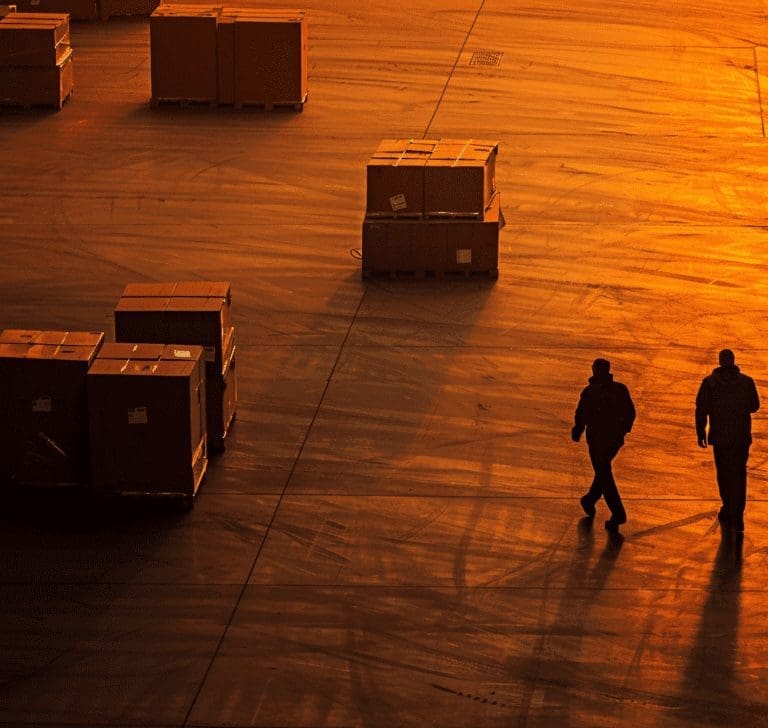
Direct cargo and transport theft continues to be more common than complex fraud schemes
CargoNet has issued a notice to the logistics industry warning of an increased risk of cargo theft during the Fourth of July holiday week in the United States. This advisory is based on an analysis of 174 thefts occurring between July 1st and July 7th over the past five years, highlighting that business closures could create ideal conditions for cargo thieves.
In 2023, record theft rates were reached, and 2024 appears on track to surpass those numbers. CargoNet’s infographic underscores critical points of potential thefts, including high-risk days and targeted states. Among the warnings are:

- According to previous theft analyses, July 1st and 2nd show the highest theft rates, likely due to unattended loaded transports ahead of holiday breaks.
- California, Texas, and Florida are the states most targeted by cargo thieves. In California, San Bernardino and Los Angeles are high-risk areas, as well as Maricopa in Arizona and Shelby in Texas.
- The primary targets often include non-alcoholic beverages, appliances, and electronics.
Direct theft of cargo and transport remains more prevalent than complex fraud schemes. Past incidents have involved everything from off-road vehicles to computer equipment, electronics, and medical supplies. The largest reported theft by CargoNet during the Fourth of July period occurred in Davenport, Florida, totaling $439,895 in stolen medical supplies.

Tips to prevent merchandise theft:
- Ensure the integrity of daily transactions with rigorous review processes. A second review by a supervisor before assigning a load can prevent theft.
- Verify cargo pickup before advancing fuel payments and avoid accepting incoming calls from unverified carriers.
- Provide security personnel and drivers with precise vehicle details and use high-security seals and locks.
- Maintain active surveillance at facilities with alarm systems and document any suspicious activity to aid police investigations in cargo theft cases.
In addition to these tips, CargoNet recommends mitigating risks by communicating information exclusively through verified email channels. In case of cancellation, promptly update pickup information. Logistics intermediaries should also consider limiting the number of shipments a new authority can carry simultaneously if they have recently joined the network or resumed operations after a long period of inactivity.

Texas Considers New Laws to Regulate Truck Weights and Protect Infrastructure
Texas is considering new bills to tighten penalties for overweight trucks, modify transportation routes, and ease load limits.

The Unsung Heroes of Trucking: Technicians to Be Honored in June
National Technician Appreciation Week will be held in June to recognize the professionals who keep trucks safe, prevent mechanical failures, and ensure trucking operations

EPA Submits Final Review of NOx Emissions Rule for Heavy-Duty Trucks
The EPA has submitted its final revisions to the nitrogen oxide (NOx) emissions regulations for heavy-duty vehicles.

Thanksgiving: America’s Busiest Week for Travel, Trucking, and Giving Thanks
Millions of Americans gather to celebrate Thanksgiving, a tradition that brings families together and keeps food and freight moving across the country. Behind every holiday dinner is a massive logistics operation, with thousands of truck drivers working to ensure everything arrives on time.
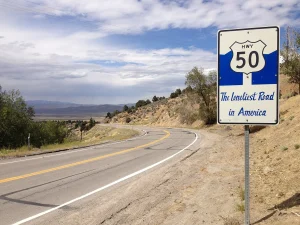
Highway 50: The Loneliest Road in America
287 miles constitute Highway 50 and they’re all part of what’s known as the “Loneliest Road in America.”

Strike at the Ports of Los Angeles and Long Beach Threatens U.S. Maritime Trade
The Ports of Los Angeles and Long Beach are facing a possible strike by security workers on November 21, with potential risks to the United States supply chain.