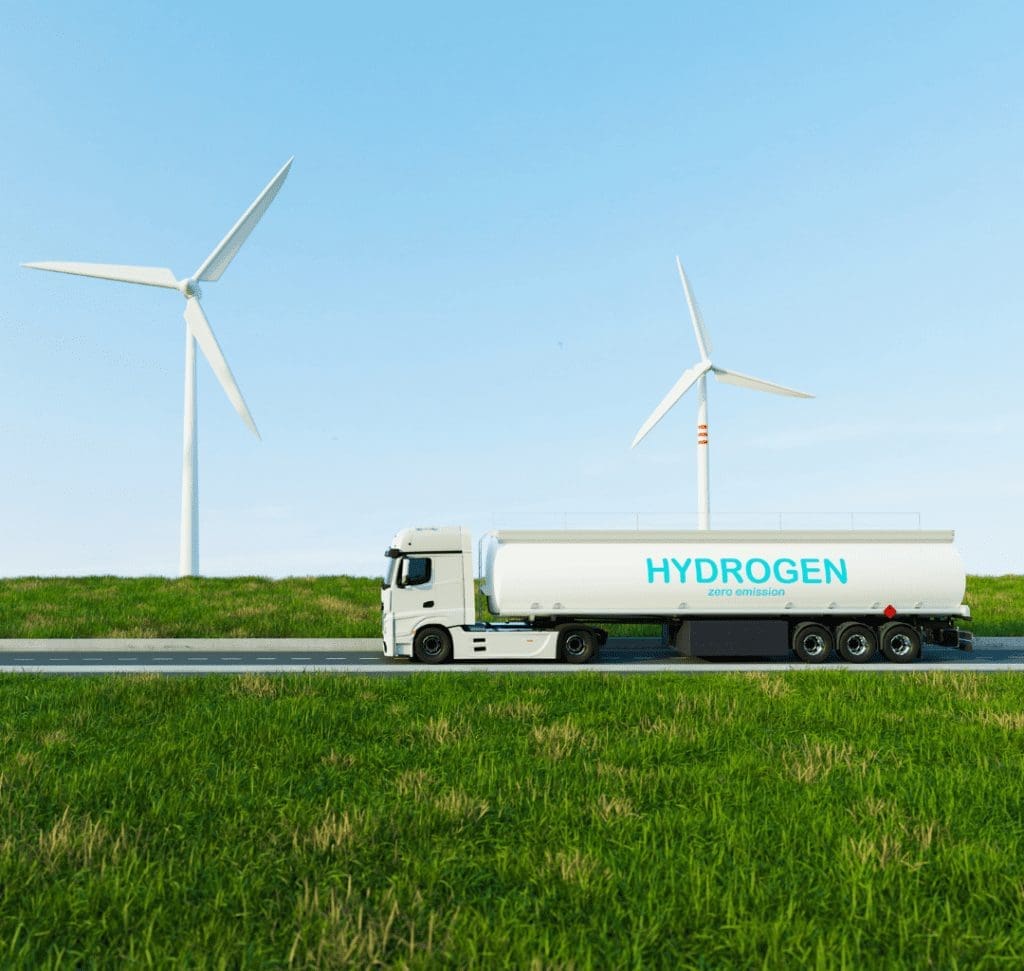
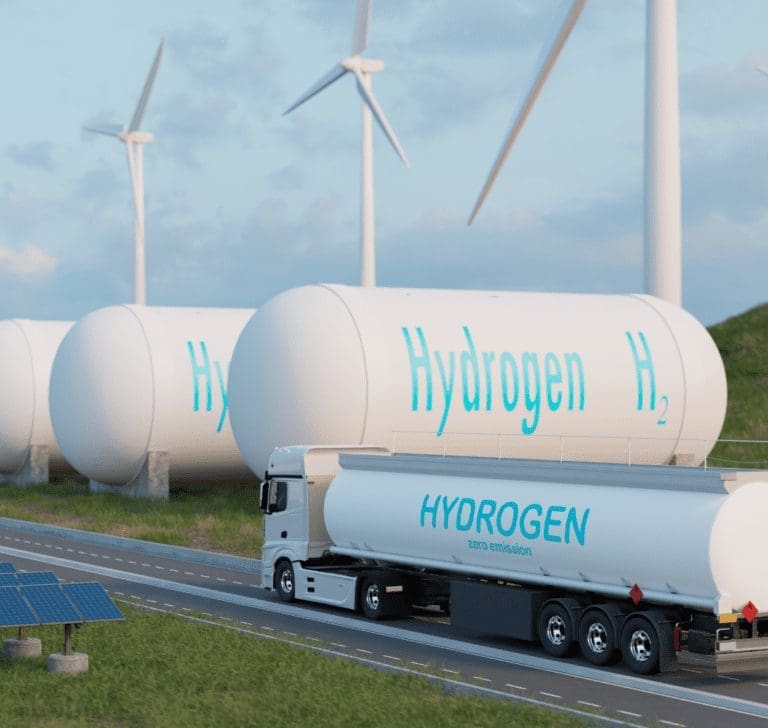
These engines operate similarly to diesel engines; however, they boast fast refueling times and significantly reduced emissions
In the recent Motor Technology Forum, significant advancements in hydrogen internal combustion engines (H2-ICE) were explored, promising to revolutionize the transportation sector with their efficiency and sustainability. These engines operate similarly to diesel engines; however, they boast fast refueling times and significantly reduced emissions, as experts highlighted during a webinar organized by the Motor Technology Forum.
Historically, hydrogen’s use in engines is not new, dating back to 1807 with the design of one of the earliest hydrogen-fueled engines. Today, companies like Cummins are anticipating global-scale production as early as 2028, underscoring the potential of this technology to offer a sustainable alternative for road transportation.
One of the key attractions of hydrogen engines is their similarity to diesel engines, facilitating user adoption. They are easy to maintain, requiring minimal training and no special tools. Additionally, these engines offer zero carbon emissions from fuel extraction to on-road use.

Charging infrastructure and emission reduction
In terms of regulations, hydrogen engines meet the 2027 emissions standards in the U.S. and, in Europe, and could even obtain certifications as zero-emission vehicles in markets such as Europe. However, like diesel trucks, much depends on infrastructure.
Despite these advancements, fueling infrastructure remains a significant challenge, prompting considerable investments to address this critical issue. Over $300 billion has been invested in low-emission hydrogen production, including renewable fuel production methods, aimed at resolving this problem.
The operation of emission reduction equipment in an H2-ICE truck is similar to that in a diesel truck, with one notable difference: hydrogen contains no carbon. This results in zero emissions of hydrocarbons, carbon dioxide, and soot particles, along with a decrease in nitrogen oxides (NOx). Consequently, recharge systems can be much simpler than those for diesel trucks.

Unlike hydrogen fuel cells, H2-ICE engines are less sensitive to fuel impurities. In summary, despite challenges like fueling infrastructure, the potential of hydrogen engines to transform road transportation towards greater sustainability is undeniable. The widespread adoption of this technology will likely depend on strategic governmental decisions to support the expansion of key infrastructures, ensuring a cleaner and more efficient future for global transportation.

Love on the open road: the best dating apps for truckers
If you’re looking for someone to go the long haul with, here are the best dating apps for truck drivers. They say love is everywhere…

The most congested cities in the U.S. and the world in 2025
The annual TomTom Traffic Index produces a ranking of the most congested cities in the world. The annual TomTom Traffic Index presents an analysis of

Steady Growth Signals Strong Momentum in the U.S. Trucking Industry
Trucking growth in the United States is gaining strength in 2026, driven by higher freight demand, expanding logistics activity, and new opportunities for carriers and fleet operators.

Escalating litigation costs in the U.S. trucking industry
Civil liability litigation has become increasingly costly for businesses, particularly for the trucking industry. Civil liability litigation has become increasingly costly for businesses, particularly for

Is Tesla saying goodbye? Is the end of the road for these models
During Tesla’s earnings call, CEO Elon Musk announced both models that will be discontinued in the second quarter of 2026. Is Tesla saying goodbye? Not

Black Ice: The Invisible Danger on Winter Roads
Black ice is one of the most dangerous road conditions during winter because it forms a nearly invisible layer over the pavement. It eliminates traction and can cause a total loss of vehicle control in seconds.