Since 1851, only four Category 5 hurricanes have been recorded in the United States, which states have been affected?
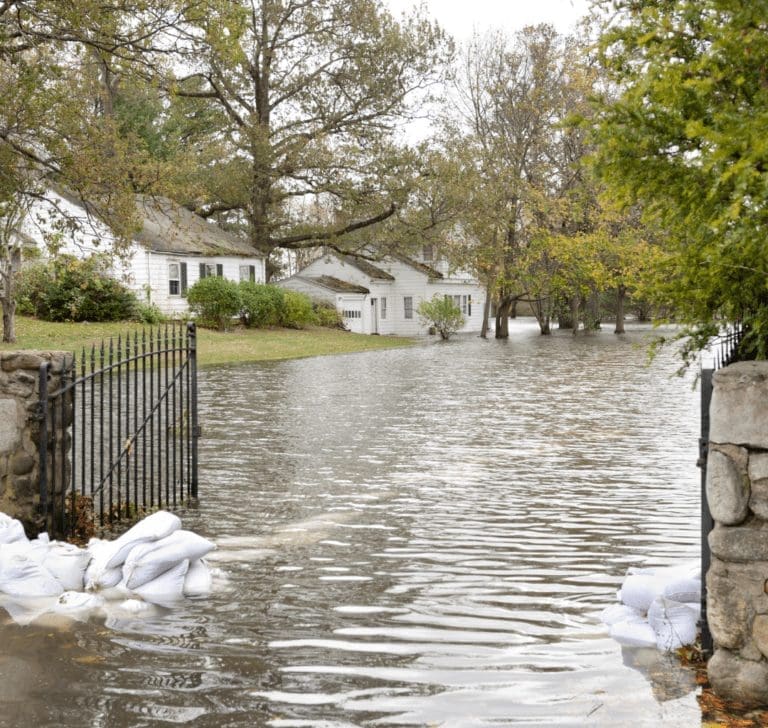
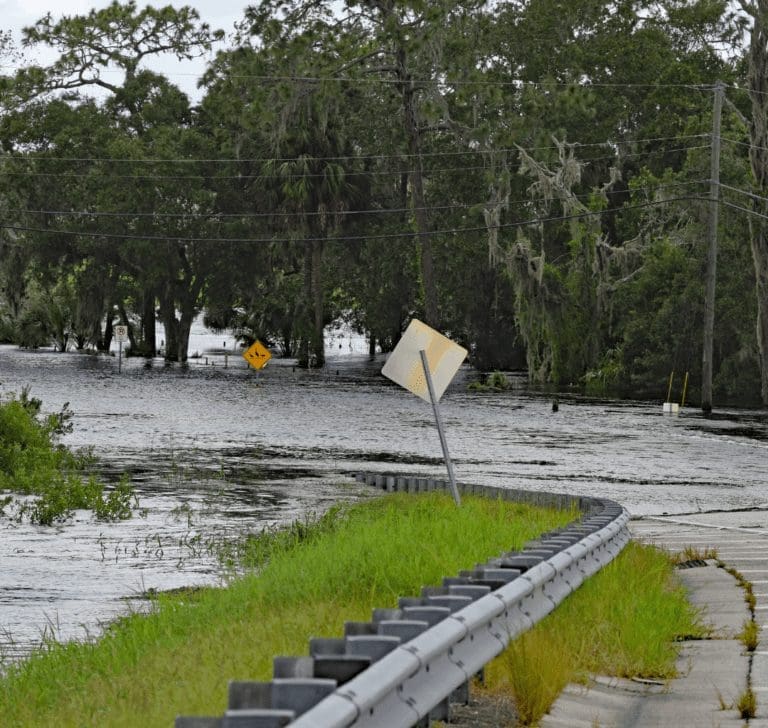
The United States is facing a 2024 hurricane season that has begun early and with intense storms, causing flooding, power outages, and losses. The National Oceanic and Atmospheric Administration (NOAA) estimates an 85% chance that this season will be more active than usual, extending from June 1 to November 30.
Category 1 hurricanes Beryl and Debby have struck Texas and Florida, respectively. Additionally, a tropical storm made landfall in South Carolina. Recently, Tropical Storm Ernesto strengthened into a Category 1 hurricane, wreaking havoc in Puerto Rico and other areas.
The Saffir-Simpson scale classifies hurricanes of Category 3 or higher as major hurricanes. Since 1851, only four Category 5 hurricanes have been recorded in the United States, the highest category. A recent USA Today article, provides a list of the states most prone to hurricanes and the number of storms they have experienced since 1851. Here are the key details from that list.
States with the most recorded hurricanes in the United States
1. Florida
Florida tops the list, which is not surprising. The Sunshine State has recorded 120 hurricanes, 37 of which were Category 3 to 5. Hurricane Michael in October 2018 and Hurricane Andrew in August 1992 both reached Category 5. Together, these hurricanes caused nearly 140 deaths.

2. Texas
In second place is Texas. The state has recorded a total of 64 hurricanes, nearly half as many as Florida. Of these, 19 have reached Categories 3 or 4, and fortunately, Texas has never experienced a Category 5 hurricane.

3. Louisiana
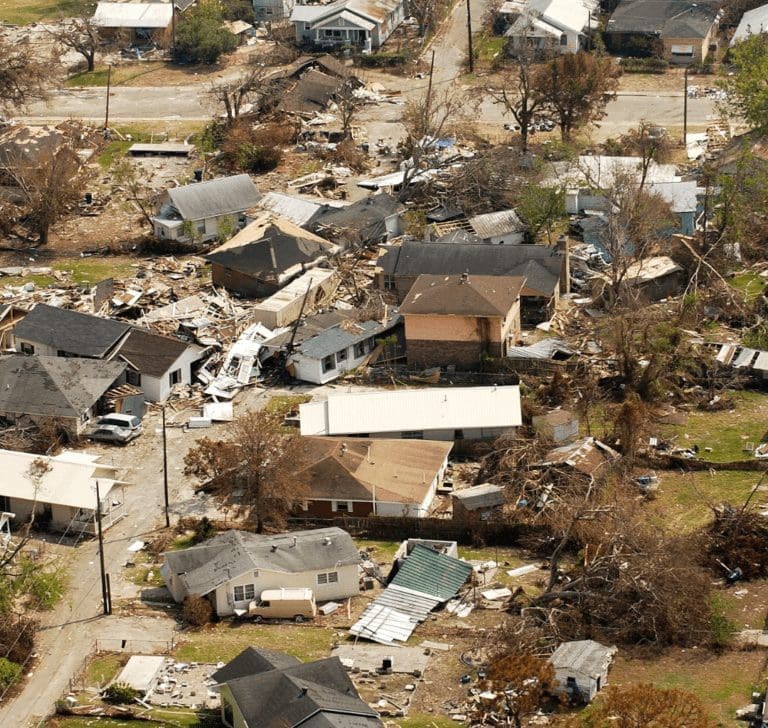
In the Southwest, Louisiana ranks third, having recorded 63 hurricanes, 19 of which were Category 3 to 5. Louisiana has faced one of the deadliest hurricanes in U.S. history: Hurricane Katrina. In August 2005, this Category 5 hurricane caused approximately 1,400 deaths and inflicted millions of dollars in damage. Hurricane Katrina was a storm with winds of 175 miles per hour, which destroyed everything in its path.

4. North Carolina
Heading north, North Carolina ranks fourth on the list, having recorded a total of 58 hurricanes, of which 7 reached Categories 3 or 4. To date, the state has not experienced a Category 5 hurricane.

5. South Carolina
In fifth place is South Carolina, which has recorded a total of 32 hurricanes. Although this number is smaller compared to the state in first place, only 5 of these hurricanes have reached Categories 3 or 4, and the state has yet to experience a Category 5 hurricane.


DOT Brings Freight Leaders Together to Reduce Cargo Delays
More than 54 million tons of goods move through the U.S. freight network every day. The DOT brought together over 100 industry leaders to reduce delays and logistics costs through its FLOW program

Pythons Spread to New Areas of Florida, Posing a Challenge for Trucking
The discovery of a new breeding population in Charlotte County, near I-75 and US-41, raises potential concerns for truck drivers, trailers, and logistics facilities across Florida. How these invasive snakes could hitch a ride in commercial vehicles.

Nevada’s Runaway Ramps Save Lives
Runaway ramps on highways help stop vehicles experiencing brake failure, saving lives on the road.

California Highway Patrol Inspections: What They Check on Commercial Trucks and How to Prepare
Learn what the California Highway Patrol checks on commercial trucks in California, including brakes, tires, documents, hours of service, and safety.

Indiana, the RV Capital of the World: The Business Behind America’s RV Industry
Indiana accounts for the vast majority of RV manufacturing in the United States. But behind the factories is a lesser-known business: delivering brand-new recreational vehicles to dealerships across the country. Who are the drivers making these trips, how does the delivery business work, and when is a commercial driver’s license (CDL) required?

Texas Warns of Flooded Roads as El Niño Approaches
The Texas Department of Transportation (TxDOT) is warning drivers about hidden dangers beneath floodwaters, penalties for ignoring road closures, and precautions truckers should take ahead of a potentially wetter and stormier 2026–2027 winter.