U.S. citizens will have the opportunity to determine the future of local transportation.
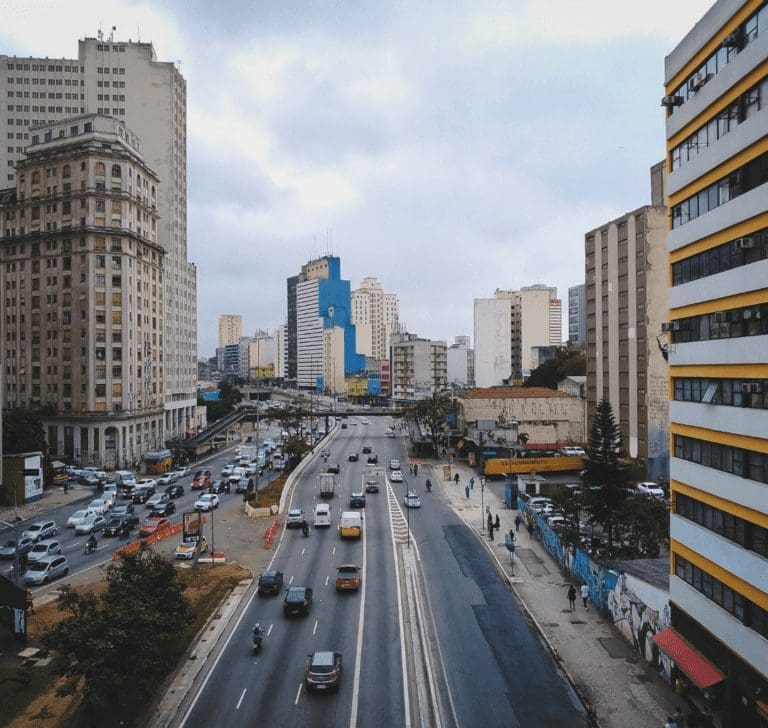
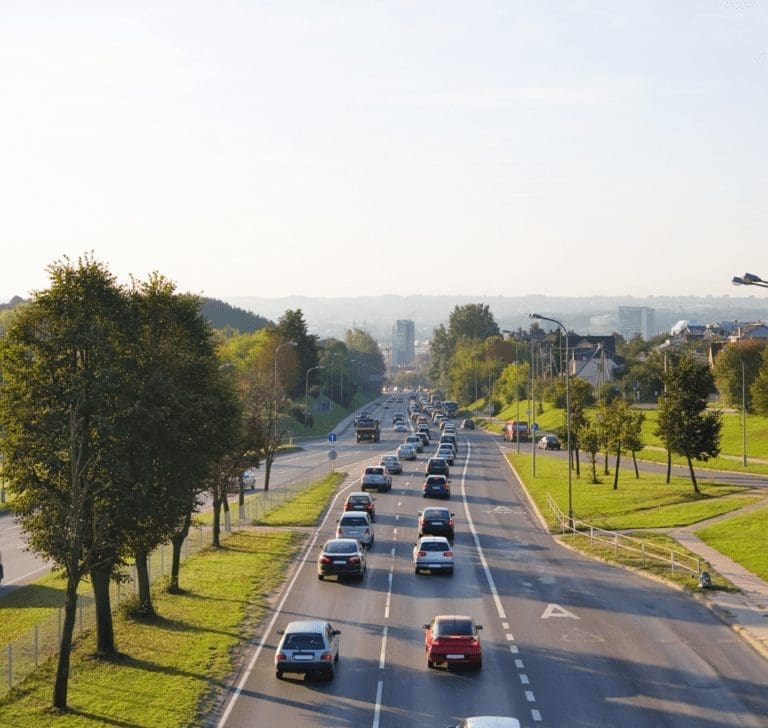
Elections in the United States are rapidly approaching. On November 5, citizens in several of the largest cities in the country will have the opportunity to determine the future of local transportation through their ballots. Among the cities voting are the following:
Columbus, Ohio
In the Columbus area, voters will face a proposal to increase the local sales tax from 7.5% to 8%. The revenue generated, estimated at approximately $480 million annually over 25 years, would be allocated to improve transportation options, including five high-speed bus lines and dedicated transit lanes. Currently, only 0.5% of the tax is dedicated to transportation, and with the approval of this measure, it would double to 1%.
Nashville, Tennessee
In Nashville, voters will consider a $3.1 billion initiative to fund transportation improvements. The proposal includes a half-cent increase in the sales tax, as well as revenue from transit system fares and federal grants. Named “Choose How You Move,” the plan envisions 54 miles of enhanced corridors and a 24/7 transit system. Mayor Freddie O’Connell emphasized the importance of this local funding to access federal funds.

San Diego, California
In San Diego, voters will decide on a one-cent increase in the local sales tax, raising approximately $400 million annually. This increase would fund transit projects and street maintenance, with 62% of the revenue allocated to transportation operations. The campaign in favor of this measure is called “Let’s Go San Diego.”
Seattle, Washington
In Seattle, citizens will vote on renewing a $1.55 billion transportation tax that would replace the “Move Seattle” tax, set to expire at the end of the year. This new levy will focus on infrastructure maintenance, with $403 million earmarked for street improvements and $221 million for bridge repairs. Additionally, safety measures will be implemented, and transit connections will be enhanced.

The decisions made by voters on November 5 will not only impact transportation in these cities but will also reflect their priorities regarding mobility, sustainability, and quality of life. By delving into these initiatives, citizens can pave the way for a more connected and efficient future in their communities.

The best roadside attractions for truckers in the U.S.
America’s highways hide unique places that break up the routine, don’t hesitate to check out these roadside attractions along the way. The road is much

The trucker style: comfort, function, and identity
Truckers’ style is much more than workwear; it’s an identity. These are the most commonly worn garments among truckers. Truckers’ style is much more than

Chaos on Highway 61: Viral Wrong-Way Truck Video Reignites the CDL Debate
An 80-ton tractor-trailer traveling miles in the wrong direction on Missouri’s Highway 61 has reignited a nationwide debate over Commercial Driver’s License (CDL) standards, training

How technology affects driver retention
Friend or foe? 52% of drivers say technology directly influences their decision to stay with or leave a fleet. Fleet telematics company Platform Science published

Dalilah Law seeks to remove non-english speaking commercial drivers
President Donald Trump proposed the “Dalilah Law,” an initiative aimed at prohibiting undocumented immigrants from obtaining commercial driver’s licenses. On February 24, President Donald Trump

FORMULA 1 and the AI That Could Transform Transportation in the U.S.
The artificial intelligence system that Formula 1 implemented to monitor every car on every turn is opening the door to new applications in trucking, logistics,