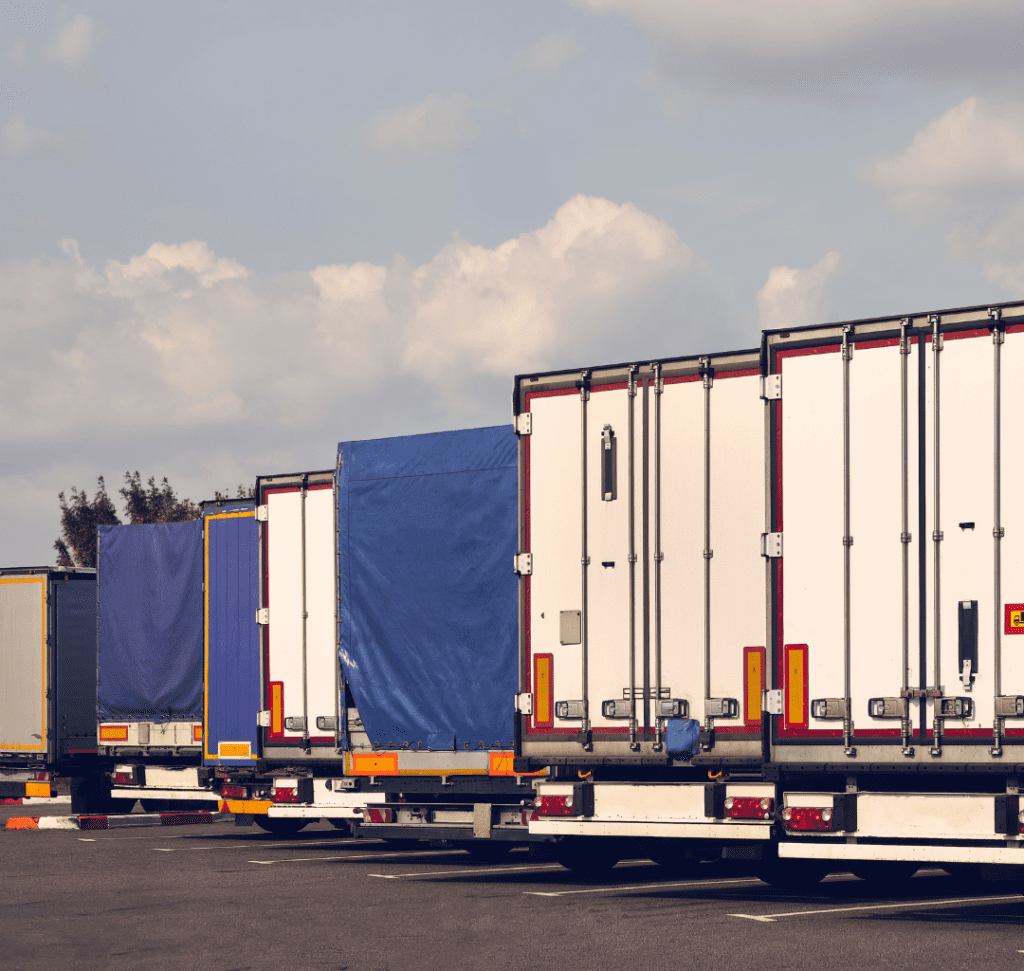
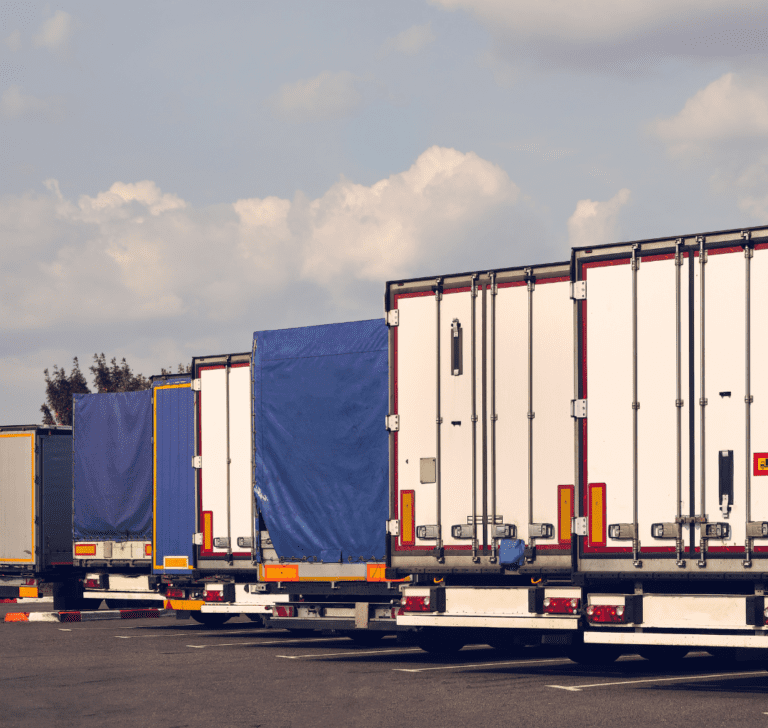
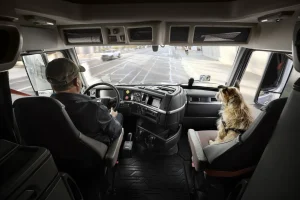
There are several types of semi-trailers, each designed for a specific purpose, and their appearance varies considerably.
The world of trucks can seem imposing to those unfamiliar with it. Before delving into the mechanics, it is essential to differentiate between the various types of trailers. There are several types of semi-trailers, each designed for a specific purpose, and their appearance varies considerably.
In the transportation industry, it is not enough to simply move goods from one point to another; it is crucial to do so safely and efficiently, adapting to the needs of the cargo. There are semi-trailers designed to handle construction equipment, preserve perishable food, or transport bulk materials like grain, each catering to specific requirements.

Types of semi-trailers in the road transportation industry
A semi-trailer is a type of trailer that connects to a truck. Unlike a full trailer, it lacks a front axle, relying on the truck for support and movement. Depending on the needs of the cargo, there are different types of semi-trailers, classified as follows:
Flatbed Trailers
Flatbed trailers have a completely flat and open surface, without walls or a roof, making them versatile for transporting large or unusually shaped items. Their design allows for loading from any direction, but the cargo is exposed to the elements, requiring additional precautions to secure and protect it from damage.

Dry van trailers
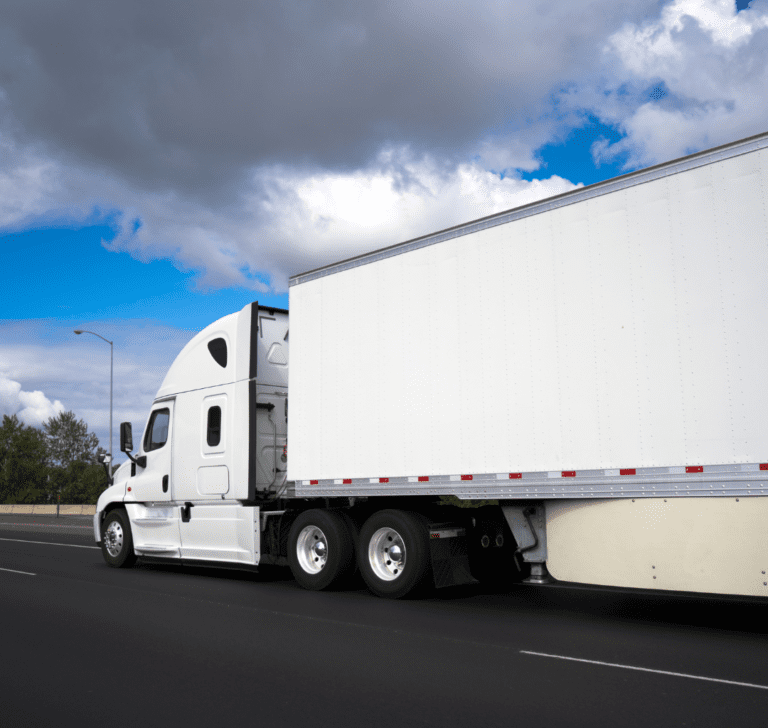
The dry van trailer is the most common type of semi-trailer on the roads. It has a closed design ideal for transporting almost any cargo that does not require special handling or temperature control. Secured doors provide an extra layer of security for the cargo.
Although the cargo does not require special handling, it is crucial for a dry van trailer that the load is balanced to comply with the U.S. Department of Transportation regulations, which allow up to 34,000 pounds per axle group on two-axle trucks.

Refrigerated trailers
This type of semitrailer is used to transport temperature-sensitive goods, such as food, pharmaceuticals, and chemicals. The temperature can be adjusted between -85° and 70° Fahrenheit. However, due to the sensitive nature of the goods they carry, refrigerated trailers face stricter regulations, such as the Food Safety Modernization Act (FSMA) for food products and Good Distribution Practices (GDP) for pharmaceuticals. Non-compliance can lead to penalties such as fines or license revocation.

Specialty trailers
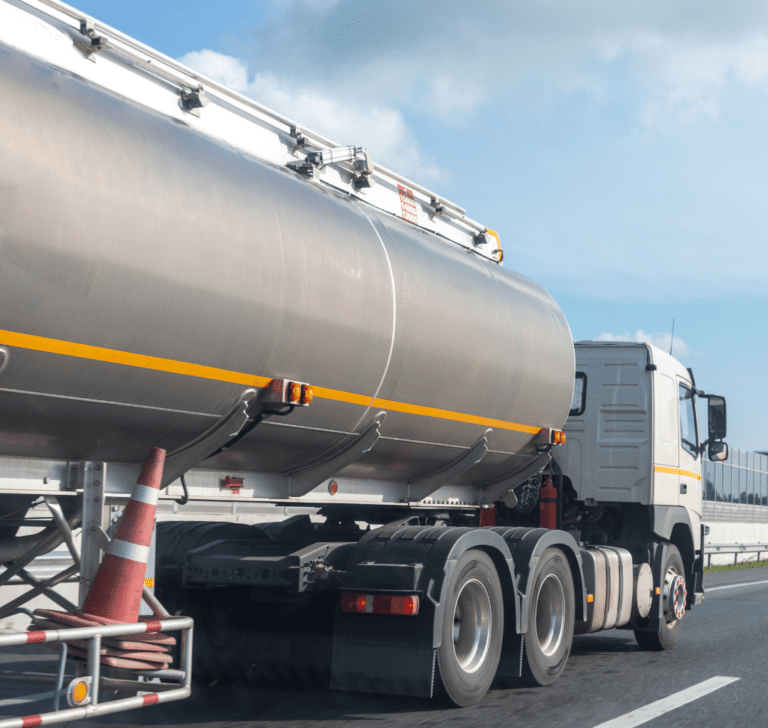
These types of trailers have a cylindrical shape and are commonly used to transport gas, though they can also be used for other liquids and dry materials like powders or granules. They are constructed with a focus on safety, including emergency shut-off valves to prevent leaks and spills. There are two types: pressurized, which transport materials like propane or compressed natural gas that need to be kept under pressure, and non-pressurized, which are used for liquids such as water, fuel, or food products.

Each type of semitrailer serves a specific purpose, from flatbeds designed for versatile loading to refrigerated trailers that ensure the safety of perishable goods. By recognizing the unique features and regulations associated with each trailer type, transport professionals can optimize their operations, enhance safety, and meet the diverse needs of their cargo. As the industry continues to evolve, staying informed about these distinctions will remain vital for efficiency and compliance in the transportation sector.

Truck drivers are at high risk of developing diabetes
About 11% of the adult population meets the criteria for prediabetes, and there is a particular group at high risk: truck drivers. Diabetes rates in

Starting in trucking: required permits, registrations, and compliance
Are you a new carrier? This is what you need to know about permits, registration, and compliance. The trucking industry can be quite challenging for

Alberta Clipper Brings an Early Polar Blast: A Critical Alert for Drivers
The Alberta Clipper is sweeping across the country with fast-moving Arctic air, sharp temperature drops, and dangerous road conditions that demand heightened attention from all professional drivers.

American manufacturers trigger truck “dumping” investigation
Foreign trailer manufacturers under investigation for alleged “dumping” in the U.S. The U.S. truck market is at the center of a trade dispute. After domestic

ATRI Warns: Litigation Is Rising Across the U.S. Trucking Industry
A new report from the American Transportation Research Institute (ATRI) reveals how escalating litigation, higher legal costs, and mounting insurance pressures are reshaping the U.S. trucking industry. The findings mark a critical moment for motor carriers, insurers, and logistics stakeholders who must understand the changing legal environment — and the increasingly strategic role of strong insurance partnerships.

FMCSA says no to hours-of-service exemptions
FMCSA rejects two requests for exemptions to hours-of-service rules for commercial drivers. The Federal Motor Carrier Safety Administration (FMCSA) has denied two exemption requests related