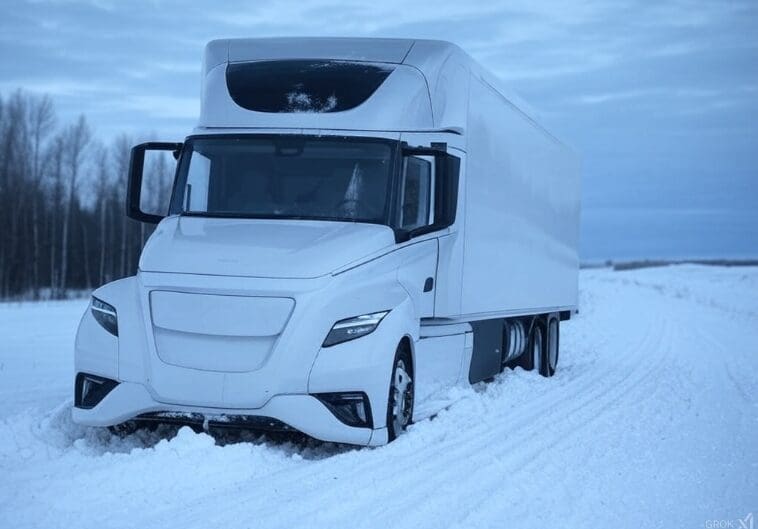
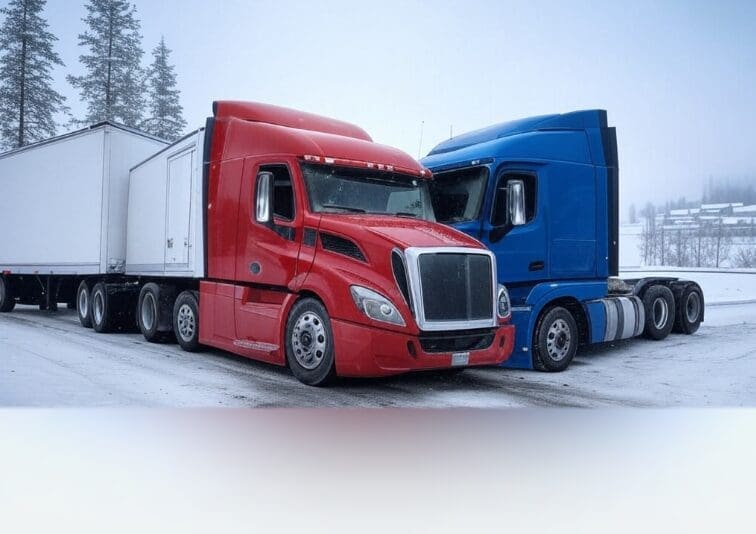
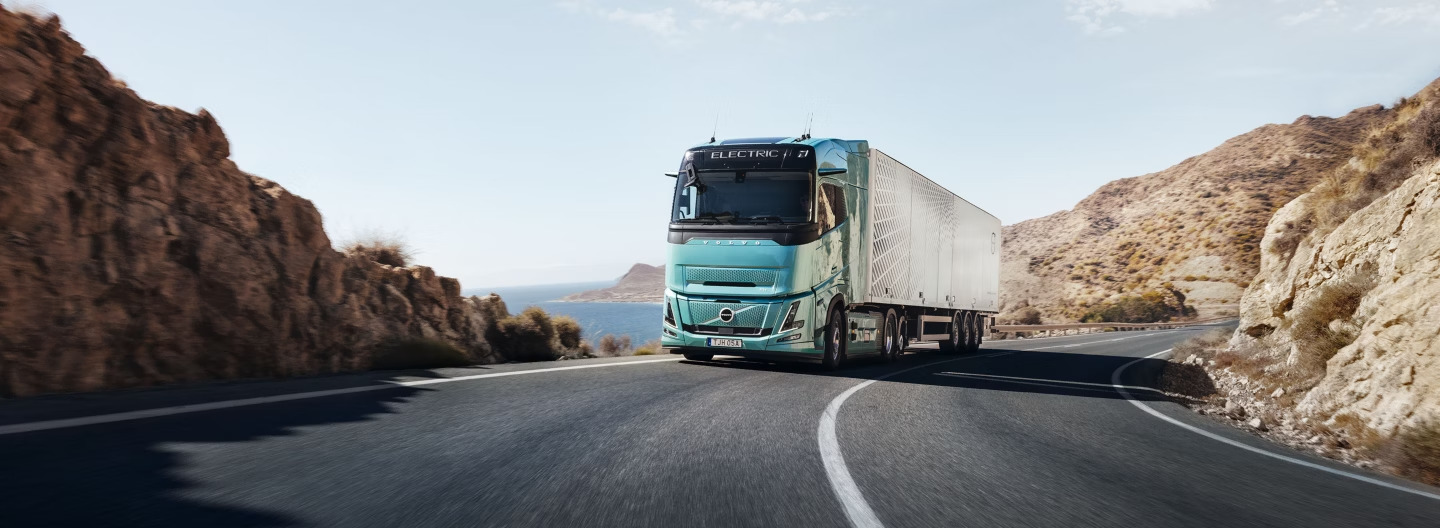
Technology is advancing faster than laws, and some issues remain unclear. What happens if they crash? Who is responsible? How are they protected from cyberattacks? How will they handle roads where people drive poorly?

Autonomous trucks promise to revolutionize the freight transport industry by reducing costs and increasing efficiency. However, their implementation raises multiple questions that still lack clear answers. Here are ten of the most pressing concerns:
Who is responsible in case of an accident?
If an autonomous truck crashes, is the manufacturer, the software developer, the remote operator, or the truck owner at fault? Current legislation has not fully defined this issue.How will system failures be handled?
If the truck’s software malfunctions or crashes while on the road, what protocols are in place to prevent an accident or delivery disruption?What happens if they lose GPS signal?
Many autonomous trucks rely on GPS for navigation. If the signal is lost due to interference or satellite failure, will the truck stop immediately, or will it continue operating autonomously?How will they respond to extreme weather conditions?
Snow, dense fog, and heavy rain can affect sensors and cameras. Are these vehicles equipped to operate safely in all weather conditions?How will they interact with human drivers?
On roads filled with vehicles driven by people of varying experience levels, will autonomous trucks be able to anticipate and respond to unpredictable behavior?

What cybersecurity measures exist to prevent hacking?
Autonomous trucks could be vulnerable to cyberattacks. What security systems are manufacturers implementing to prevent digital hijacking?How will their circulation be regulated across different countries and states?
Each country has different freight transport regulations. Are there international agreements in place to allow autonomous trucks to cross borders without legal complications?What will be the impact on jobs in the industry?
Autonomous trucks could eliminate thousands of truck driving jobs. How will this transition be managed, and what alternatives will affected workers have?How will roadside emergencies be handled?
If an autonomous truck experiences a mechanical failure or is involved in an accident, how will it alert emergency services, and how will they be able to intervene efficiently?What will be the real cost of adoption?
Although they promise long-term operational cost reductions, the initial investment in autonomous trucks, infrastructure, and maintenance could be very high. Will transport companies be able to afford this expense without affecting their rates and services?

U.S. labor market raises red flags on Wall Street
The U.S. labor market closed 2025 with clear signs of weakening, as evidenced by the latest employment data released in December. In the latest episode

DOT finds half of North Carolina CDLs were issued illegally
The DOT warns that half of North Carolina’s CDL licenses are irregular after a federal audit uncovered serious compliance failures. The findings directly affect truckers, fleets, and transportation companies, raising urgent questions about road safety, legal operations, and the future of the trucking industry.

California’s Unhealthy Air: Impacts on Trucking and Freight
Unhealthy Air Quality in California: What Repeated Pollution Alerts Mean for Trucking and Freight Operations

Global Road Freight on Track to Hit USD 5 Trillion by 2033
Global Road Freight on Track to Hit USD 5 Trillion by 2033 as e-commerce growth, supply chain restructuring, and technology adoption accelerate demand for road-based cargo transport worldwide.

California misses DOT deadline risking $160 million in federal funding
The state of California has reached the deadline set by the DOT to take action regarding the situation involving the number of non-domiciled CDLs issued

Health on Wheels: How to Prevent the Most Common Conditions on the Road
Health on wheels matters for anyone who spends long hours on the road. How to prevent the most common physical and mental conditions and maintain healthier routines while working behind the wheel.