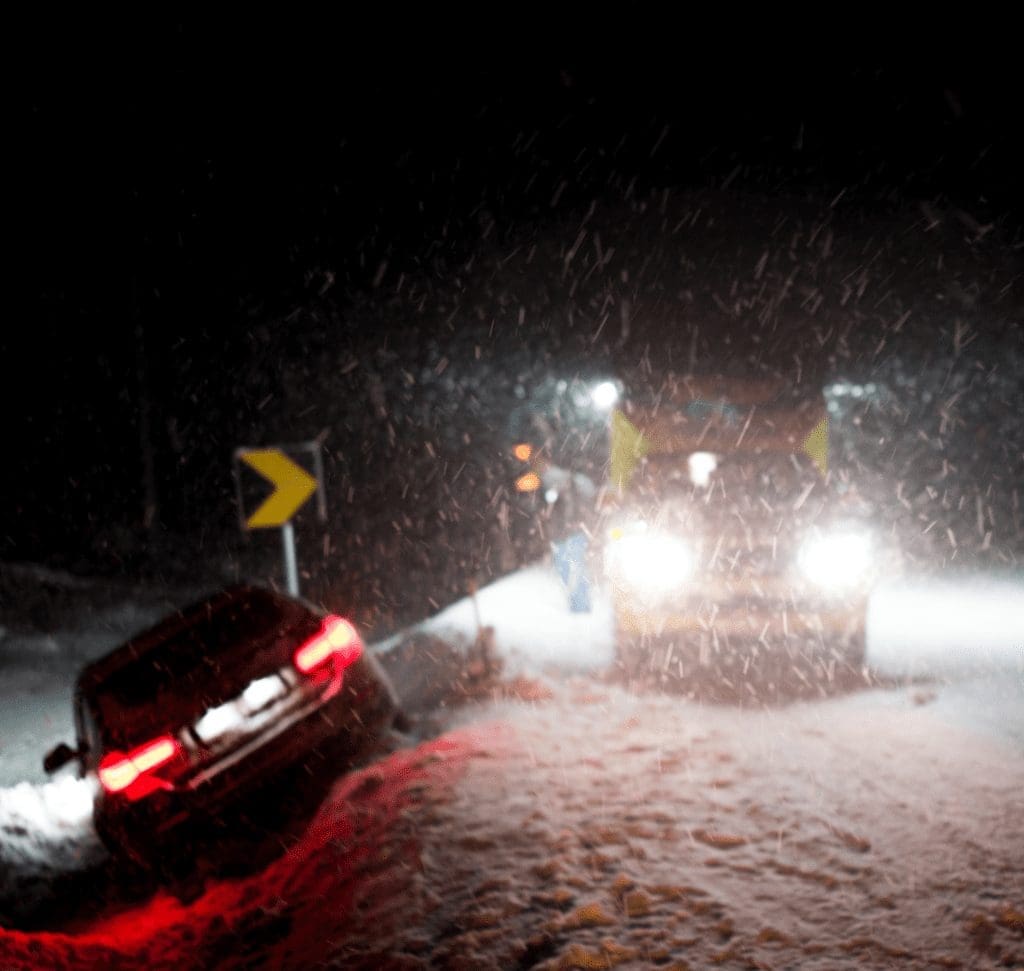
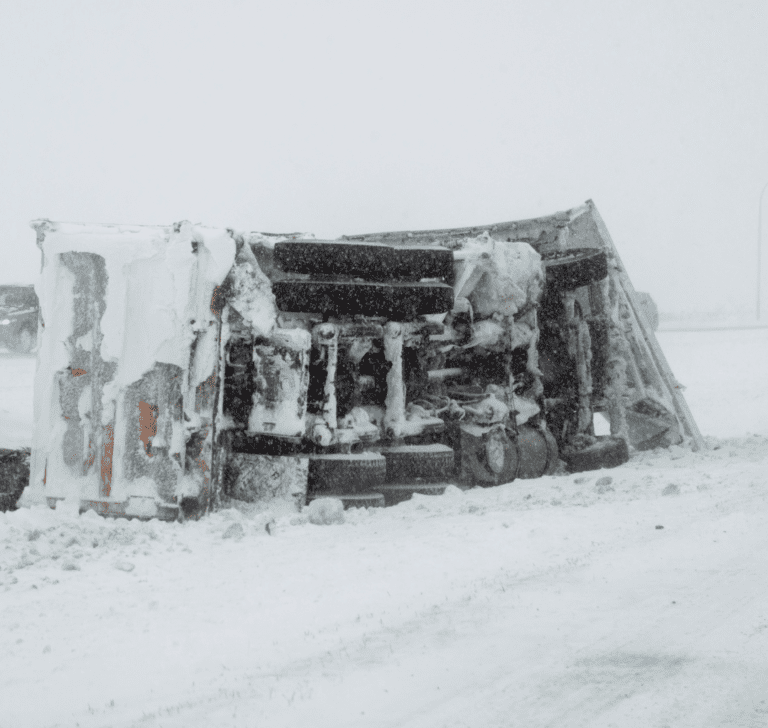
During blizzard weather, approximately 156,000 traffic accidents are reported, with high injuries and fatal deaths.
Blizzard conditions have caused dangerous travel and road closures in several Midwest states, including Missouri, Nebraska, Iowa, Minnesota, and Wisconsin, with winds over 100 km/h in Kansas City and more than 20 cm of snow in Minneapolis-St. Paul.
During the winter season, approximately 156,000 traffic accidents are reported, with 76,000 injuries and 1,300 deaths. According to information shared by AccuWeather, there are three types of accidents during winter. In these circumstances, defensive driving is key to avoiding accidents in adverse weather conditions.

Main causes of winter accidents and how to avoid them
Spin-Out Collisions
This type of accident is very common when roads are slippery due to ice or rain. A skid can be very dangerous, as it jeopardizes both your safety and that of other drivers. If you find yourself in a situation where you lose control of your vehicle, the best way to regain control is to try to steer the vehicle in the same direction as the skid.
In such situations, using the brakes will not be helpful, so you should avoid fighting the vehicle’s trajectory, as this will only worsen the situation, according to AccuWeather experts. Remember the following: if the vehicle skids to the right, turn the steering wheel to the right; if it skids to the left, turn in that direction. Additionally, turn on your emergency lights to alert other drivers, and steer gently, reducing your speed by 15 to 20 km/h on slippery roads.

Rear-End Collisions
Caused by conditions like snow, black ice, and rain, rear-end collisions are also among the most common. When a driver begins to lose control or slide, their first instinct is to brake, but this only makes the situation worse. Rear-end collisions are frequent during winter months because drivers often misjudge the distance to the vehicle ahead. Sudden braking can lead to rear-end collisions and put other drivers at greater risk.
It’s crucial to remember that, in winter weather conditions, the distance between vehicles should be greater. Maintaining at least two or three car lengths of distance can save your life. By increasing the following distance, you’ll have more space to maneuver your vehicle if it starts to skid. Additionally, AccuWeather recommends reducing speed to reduce momentum and avoid sudden braking.

Lane Drifting Accidents
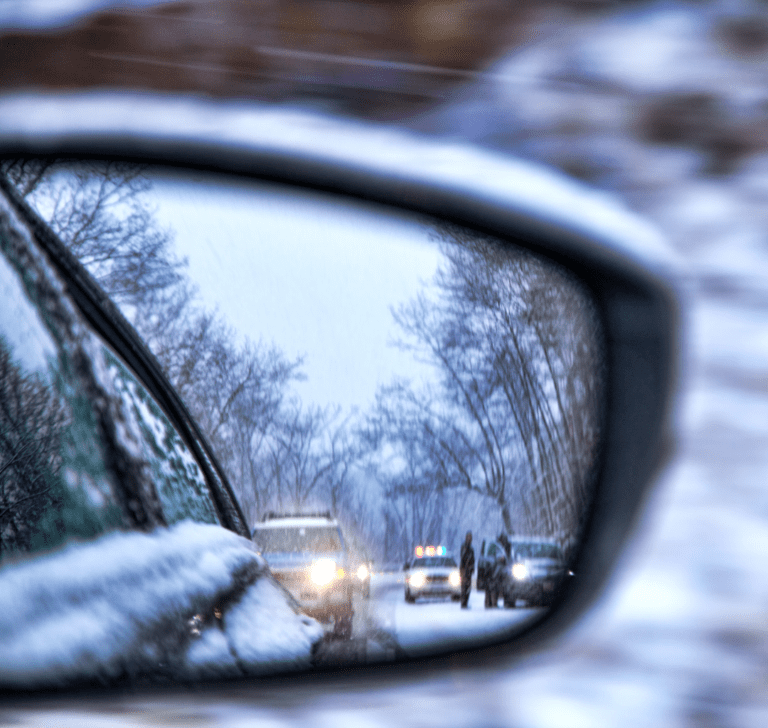
During storms, one of the main issues for drivers is visibility. Rain, fog, and snow make it difficult to see far ahead. For this reason, when driving under these conditions, it is essential to be more cautious.
To avoid drifting out of your lane and causing accidents, make sure to stay alert and keep an eye on other vehicles on the road. Remember to turn on your high beams, keep the windshield clean, and maintain a safe distance from other vehicles. Follow the lights of other drivers to stay in your lane, and if you do drift, remain calm and follow the previously mentioned advice.
In summary, the most important actions to avoid accidents are:
- Reduce speed.
- Maintain distance between vehicles.
- Avoid sudden braking.
- Stay calm.
- Drive only if necessary; otherwise, stay at home.


Jerome Powell under investigation as tensions between Trump and the Fed escalate
The investigation into Powell has raised global concerns over a potential threat to the independence of the U.S. central bank. In the new episode of

Road Alert: 25 States Under Extreme Driving Conditions
Snow, ice, strong winds, and low visibility are keeping major highways under active travel advisories. The alert now affects 25 states and calls for extra caution, especially among truck drivers and freight carriers operating along key corridors.

Human Trafficking: A Nationwide Call to Action on America’s Roads
Human trafficking is the focus of a nationwide awareness week aimed at educating truck drivers, motor carriers, law enforcement, and the public about human trafficking, how to spot the warning signs, and what to do if someone may be in danger.

TAA Compliance: When Safety Complaints Turn Into Six-Figure Losses
STAA compliance is no longer a technical detail for fleet owners—it is a financial, legal, and insurance exposure. A recent enforcement action in Texas shows how mishandling safety complaints can lead to termination claims, retaliation findings, and six-figure penalties, and what carriers must do to avoid becoming the next case

U.S. labor market raises red flags on Wall Street
The U.S. labor market closed 2025 with clear signs of weakening, as evidenced by the latest employment data released in December. In the latest episode

DOT finds half of North Carolina CDLs were issued illegally
The DOT warns that half of North Carolina’s CDL licenses are irregular after a federal audit uncovered serious compliance failures. The findings directly affect truckers, fleets, and transportation companies, raising urgent questions about road safety, legal operations, and the future of the trucking industry.