 Hable con un agente al (888) 572-7520
  Enviar mensaje a un agente





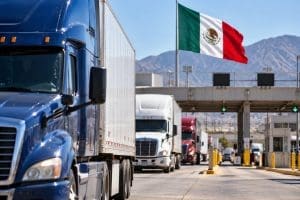
Mexico Trucking Crackdown: What’s Changing at the Border
U.S. authorities are stepping up enforcement of visa, licensing, English proficiency, and domestic freight transportation requirements for Mexican truck drivers. Trucking companies warn that the measures could reduce driver availability and disrupt cross-border freight operations.

Where Will 2403 New Truck Parking Spaces Be Located?
The U.S. Department of Transportation has announced $200 million in funding to expand truck parking across 12 states. The projects include new facilities and expansions along major highways, freight corridors, ports, and border crossings.

Trucks or War Machines? The Mystery of Spiked Wheels on American Highways
They look like something straight out of an action movie, yet they can be spotted on highways across the United States. The striking chrome spikes protruding from some truck wheels spark curiosity, controversy, and one important question: Are they actually dangerous, or just another expression of trucker culture?
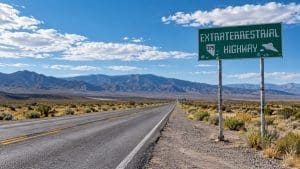
Nevada’s Extraterrestrial Highway and Other Desert Mysteries
From a highway near Area 51 to the desert where a vehicle broke the sound barrier, Nevada is home to some of America’s most fascinating road stories.

California: Scammers Impersonate FMCSA’s Motus System, Putting Trucking Companies’ Data at Risk
The Federal Motor Carrier Safety Administration (FMCSA) is warning trucking companies about four fraudulent websites impersonating its new federal registration system. Scammers are using emails that demand urgent updates to redirect carriers to fake portals. The warning also applies to California motor carriers.
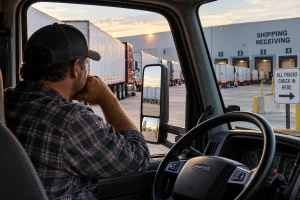
Do You Know How Much Money Your Truck Has Lost Sitting Idle in 2026?
Hours spent waiting at warehouses and distribution centers continue to cost American truck drivers time and money. Federal research has estimated more than $1 billion in annual lost driver income, while the FMCSA explores new ways to address detention time and its impact on road safety.
 Business hours: Monday to Friday from 8:00 AM to 5:00 PM. California time