Tips for enforcing safety from the inside out of your truck, because safety is one of the fundamental pillars for every truck driver.
From driving cautiously to staying protected inside the cab, safety should always be a top priority. While external dangers are often discussed, internal distractions can pose an even greater risk. That’s why it’s essential to maintain a calm and organized environment inside the cab.
Based on a recent guide from Commercial Truck Trader, we’ve compiled some practical tips to help you stay safe both inside and outside your truck. These suggestions will help you establish a controlled environment from within, reducing the chances of dangerous situations on the road.

Tips for Staying Safe from Inside the Truck Cab
1. Keep Your Cab Organized and Clutter-Free
Truck drivers spend a great deal of time in their vehicles, so it’s common to personalize their cabs to make them more comfortable and homey. While this is encouraged, safety should remain the top priority when decorating. Some decorations can become distractions or even hazards. For example, placing objects on the dashboard can block your view, and loose items may become dangerous during sudden stops or accidents.
That’s why keeping the cab neat and clutter-free is always the best option. Decorate safely: store loose items in compartments, boxes, or behind the seats, and keep all important documents in one designated place.
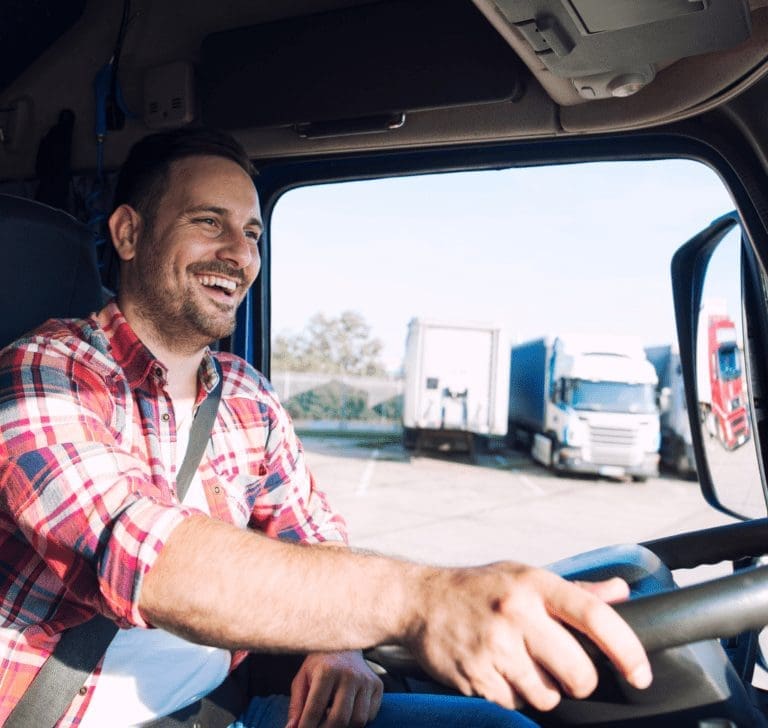
2. Always Wear Your Seat Belt
It’s always worth repeating: one of the most important steps before starting any trip is fastening your seat belt. This simple action can make a huge difference in an accident, keeping you secure and potentially saving your life. If your truck is equipped with airbags, wearing your seat belt is essential for them to function properly. It keeps you in the correct position so the airbags can deploy effectively and help prevent serious injury.
Make sure to wear the seat belt properly—across your chest and shoulder. If worn incorrectly, it won’t be as effective.

3. Wear Comfortable and Appropriate Clothing
Spending hours behind the wheel means comfort is a must. Wear clothes that allow free movement and make it easy to operate the truck without discomfort.
However, avoid loose-fitting garments, as they can get caught in the gear shift or other controls, increasing the risk of an accident.
4. Install a Dashboard Camera
Accidents can happen at any time, and determining who is at fault can be difficult. That’s why having a dashboard camera as an electronic witness can save you a lot of trouble and give you peace of mind. In addition to being helpful in collisions, it can also document situations like unsecured loads or unexpected road hazards.

5. Avoid Distractions While Driving
Distracted driving is one of the leading causes of highway accidents today. To stay safe, avoid distractions like improper cell phone use, loud music, eating while driving, or driving while tired.
If you use your phone for navigation, choose a GPS app designed specifically for trucks. These applications help plan routes that avoid low bridges, sharp turns, and other truck-specific obstacles. Remember: distracted driving is dangerous, and your phone is often the main culprit. Keep it stored away while driving and stay focused on the road.
6. Be Equipped with the Right Tools
Road conditions can change quickly, especially for long-distance drivers. That’s why being prepared both inside and outside your truck is essential for safer driving.
Make sure to carry tools and emergency gear that allow you to handle unexpected problems quickly and safely, at least until you can reach a repair facility. Having an emergency kit in your cab can make all the difference. In the event of an accident or critical situation, having it close by can help you respond more effectively and efficiently.


Commercial Driver’s License (CDL) in Washington: A Guide for Truck Drivers
For those looking to work as professional drivers in the state of Washington, obtaining a Commercial Driver’s License (CDL) is one of the most important

The Growth of Intermodal Transport in Washington: The New Inland Hub Gets Moving
The Tri-Cities Inland Logistics Hub and a new rail link in Pasco are driving intermodal transport growth in Washington.

The Main Truck Bottlenecks in Washington in 2026
The I-5 bridge over the Columbia River is the worst truck bottlenecks in Washington and Oregon.

Guide to Permits for Oversize Vehicles in Washington
Transporting an oversize vehicle, machinery, or load on Washington state highways can require a special size and weight permit. Learn when a permit for oversize load is needed.

High-Value Cargo Leaving Washington Ports: Why a Standard Policy May Not Be Enough
Electronics, machinery, industrial components, and other goods can concentrate hundreds of thousands of dollars in a single trailer. For carriers operating out of Seattle and Tacoma, knowing the true value of what they are hauling can be just as important as knowing the route.

Florida Highways for Truck Drivers: How the State’s Road System Works
Florida organizes its highway network into seven FDOT districts, along with Florida’s Turnpike. Here’s how the system works and what this division means for truck drivers and motor carriers.