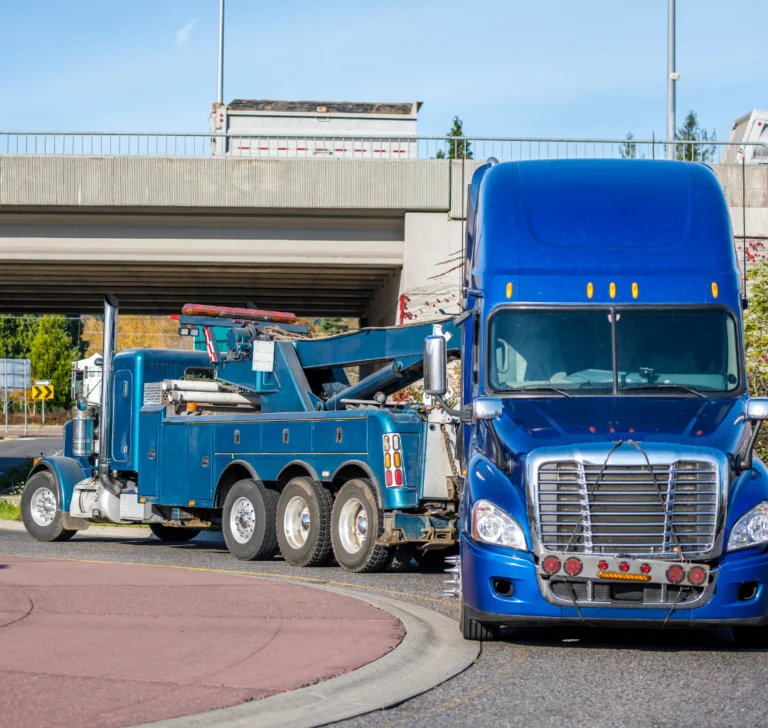
The initiative "Check Your Height, Know It’s Right," will run from July 22 to July 26, to alert drivers to the issue of vehicles striking bridges.
On Tuesday, July 22, a campaign was launched by eighteen states and Washington, D.C. The initiative, titled “Check Your Height, Know It’s Right,” will run from July 22 to July 26. Its goal is to raise awareness among state Departments of Transportation and alert drivers to the issue of vehicles striking bridges.
The campaign was created by the Eastern Transportation Coalition, an association of 20 states that aims to improve safety and efficiency across all modes of transportation. The initiative urges drivers to ensure that their vehicles are of proper height to safely pass under overpasses on local and state roads.

Check your height: preventing bridge strikes in the Eastern U.S.
State Departments of Transportation participating in the campaign have shared statements and information on social media. The West Virginia Department of Transportation (WVDOT) emphasized that holders of commercial driver’s licenses, as well as anyone operating any type of truck, are responsible for knowing their vehicle’s height and obeying posted clearance signs on bridges.
“Collisions with low-clearance structures can damage vehicles and infrastructure, cause major traffic delays, and pose risks to the public and emergency services,” the WVDOT added.
Meanwhile, the Kentucky Transportation Cabinet reported that the state has approximately 180 bridges with vertical clearances below the federal standard of 14 feet. As a result, Kentucky transportation officials joined the campaign, warning that tools such as conventional GPS systems are not designed to detect potential height-related collisions. They recommend that all drivers check the sticker on the vehicle door or consult the owner’s manual to confirm maximum height before traveling.

Collision data highlights the need for the campaign
Collision data show that many drivers fail to consider their vehicle’s height when planning routes. This campaign targets all types of drivers, including those with commercial licenses, as well as those operating rented or leased box trucks, and recreational vehicles.
The states participating in the “Check Your Height, Know It’s Right” campaign, and that are members of the Eastern Transportation Coalition, are:
- Alabama
- Connecticut
- Delaware
- District of Columbia
- Florida
- Georgia
- Kentucky
- Maine
- Maryland
- Massachusetts
- New Hampshire
- New Jersey
- New York
- North Carolina
- Pennsylvania
- Rhode Island
- South Carolina
- Tennessee
- Vermont
- Virginia
- West Virginia

One Passenger, 16 Rotors, and No Pilot: The Flying Taxi That Took Off in Front of Mount Fuji
A two-seat electric aircraft took off in Japan, flew 1,250 feet with one passenger on board, and landed without a pilot in the cabin. The demonstration offered a glimpse of what a ride in an autonomous air taxi could feel like. Would you get on board?
I‑205: The Bridge That Moved Over the Weekend
In Oregon, crews used hydraulic jacks to lift a 1,030-foot section of the Abernethy Bridge and slide it about eight feet sideways. Northbound I‑205 reopened Monday, four and a half hours ahead of schedule.

Thanksgiving 2026: Busiest Trucking Routes and Peak Traffic Hours
Nearly 73 million people are expected to travel by road during Thanksgiving. New York, Los Angeles, California, Texas, and Florida will be among the areas facing significant delays.

Made in the USA vs. imports: key points for understanding the price battle
Imported products remain competitive, but tariffs, input costs, logistics, and the costs of disruptions compel U.S. companies to look beyond price.
Texas Considers New Laws to Regulate Truck Weights and Protect Infrastructure
Texas is considering new bills to tighten penalties for overweight trucks, modify transportation routes, and ease load limits.
The Unsung Heroes of Trucking: Technicians to Be Honored in June
National Technician Appreciation Week will be held in June to recognize the professionals who keep trucks safe, prevent mechanical failures, and ensure trucking operations