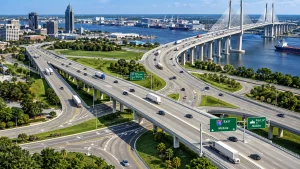
With tariffs directly impacting the cost of fuel, energy, and vehicle production, the transportation industry faces an uncertain outlook.
On Friday, August 1st, President Donald Trump announced the imposition of new tariffs on dozens of countries. These measures will take effect on August 7th, as established by the president. The order adds to previously announced tariffs, which include a base rate of 10% for trade partners and 15% for countries without a signed trade agreement.
Although the U.S. president maintains that these tariffs will generate billions of dollars in revenue and are part of his strategy to boost domestic manufacturing, by encouraging companies to produce within the country to avoid taxes, there are already signs that the measure could come at a high cost for U.S. businesses.
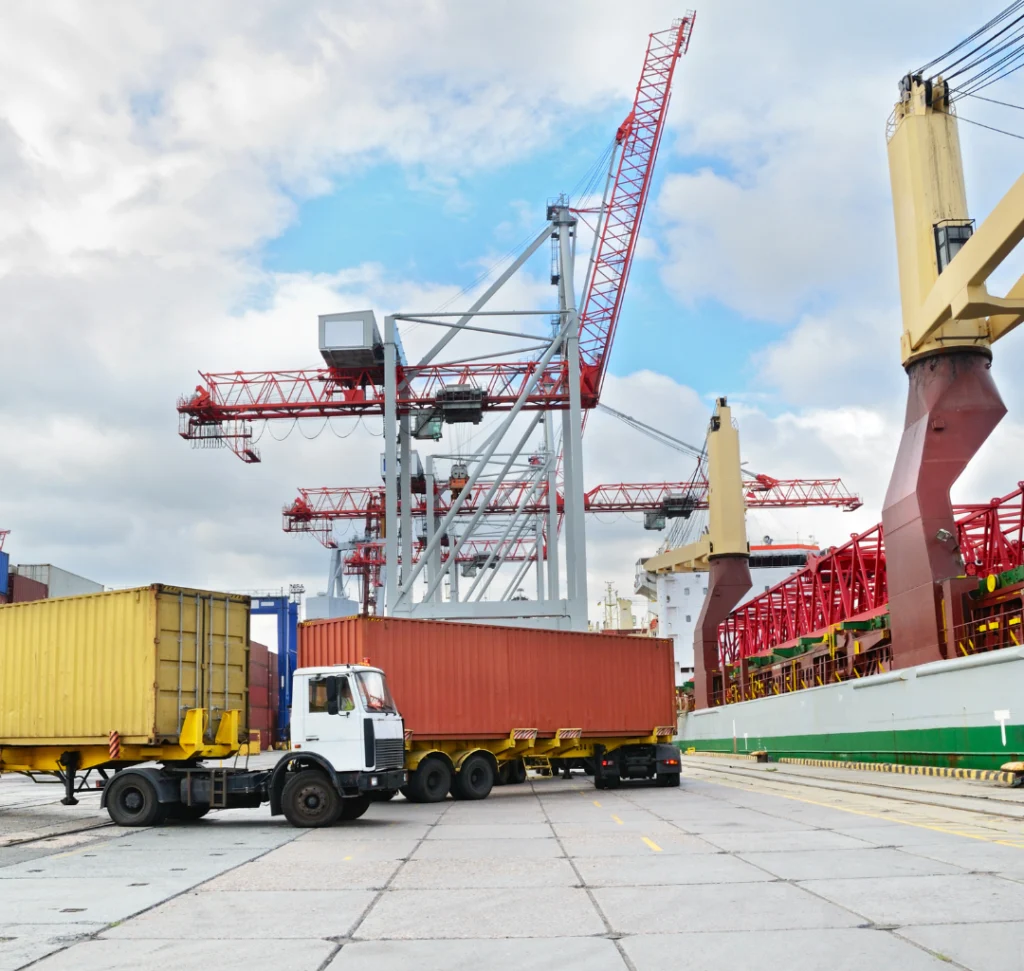
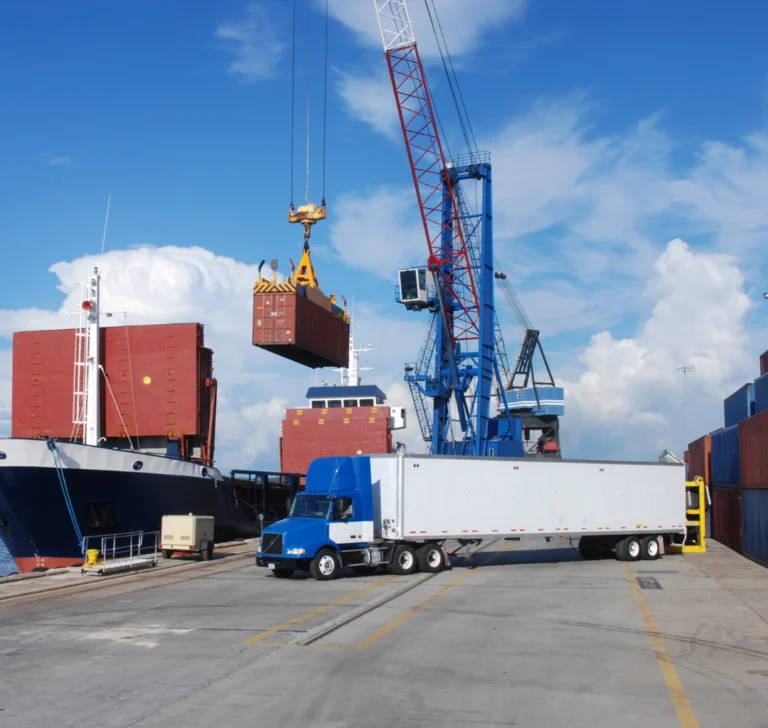
With tariffs directly impacting the cost of fuel, energy, and vehicle production, the transportation industry faces an uncertain outlook. For this reason, Transport Topics consulted industry experts about the future of this sector in light of the new trade policies. Below is a summary of the conclusions shared by this specialized media outlet.

What do transportation experts think about the implementation of the new tariffs?
In an initial reaction to the new tariff changes, the transportation industry as a whole is working to understand how these measures will impact their operations. Mike Short, President of Global Forwarding at C.H. Robinson Worldwide Inc., stated that his customs team is already facing a heavy workload due to the increased activity related to trade policy.
Currently, C.H. Robinson is working closely with its clients to help them reduce their exposure to tariffs, an added task on top of the multiple responsibilities the company already handles on a regular basis.
On the other hand, Zeid Houssami, Senior Vice President and Global Head of Freight at Uber Freight, told Transport Topics that “timing is everything.” He explained that transportation companies must accelerate the movement of goods before higher tariffs spread throughout the sector. Houssami also recommended that carriers consider alternative routes or consolidations to control costs.
The tariffs are affecting all trade partners equally. Houssami warns that importers are approaching a critical point, as options to avoid these taxes have significantly diminished with the widespread application of the 10% tariff.
Meanwhile, Jenna Slagle, Senior Data Analyst at Project44, emphasized that companies must focus their efforts on mitigating the impact of tariffs, turning this task into a strategic priority, according to Transport Topics.

Transportation industries must prepare to survive in the new trade environment
A further delay or suspension in the implementation of additional trade agreements may still occur, as has been the case in recent months. However, with or without a pause, the transportation industry continues to face a scenario of uncertainty in light of the ongoing changes in trade policy and their potential consequences.
Industry experts noted that while these tariffs may represent a competitive advantage for U.S. manufacturers, they also bring financial pressure, higher costs, and an increasing risk of supply chain disruptions for companies that rely on imports. Therefore, it is crucial for businesses to review their strategies and accelerate plans to establish manufacturing operations within the United States.
Nonetheless, Michelle Comerford, Industrial and Supply Chain Practice Leader at Biggins Lacy Shapiro & Co., warned that tariffs do not guarantee that all companies will decide to relocate their production to the U.S. The real challenge, according to her, lies in effectively managing costs, timelines, supply continuity, and other associated risks.
The immediate effect of these measures will be an increase in prices, which could translate into a drop in demand. That’s why, now more than ever, transportation companies must strategically plan their next steps to adapt and survive in this new trade environment.

Trucking faces continued job losses as 2026 uncertainty looms
The U.S. trucking industry continues to lose jobs and reduce capacity, will this trend continue in 2026? The U.S. trucking industry continues to lose jobs

U.S. Allocates $1.5 Billion for Truck Road Infrastructure
The 2026 BUILD Grants program will invest $1.5 billion in truck road infrastructure across highways, ports, and truck parking facilities, with direct impact on logistics and freight transportation in the United States.

Wall Street Record: Transportation Stocks Boost Confidence in the Economy and Logistics
Transportation stocks in the United States have staged a strong rally so far in 2025, reflecting growing market confidence in the real economic activity behind logistics, freight movement, and mobility services more broadly.

The meaning of Hanukkah and how to celebrate it on the road
Hanukkah is a celebration of resilience and hope, and here are some ways you can take this on the road. December is one of the

Waymo under investigation for potential safety risk in school zones
A recent wave of videos has shown that some Waymo vehicles are not complying with safety regulations in school zones. The autonomous vehicle company Waymo,

Don’t Blame the Snow: The Real Causes Behind Winter Truck Accidents
Don’t Blame the Snow: Why Most Winter Truck Accidents Are Preventable