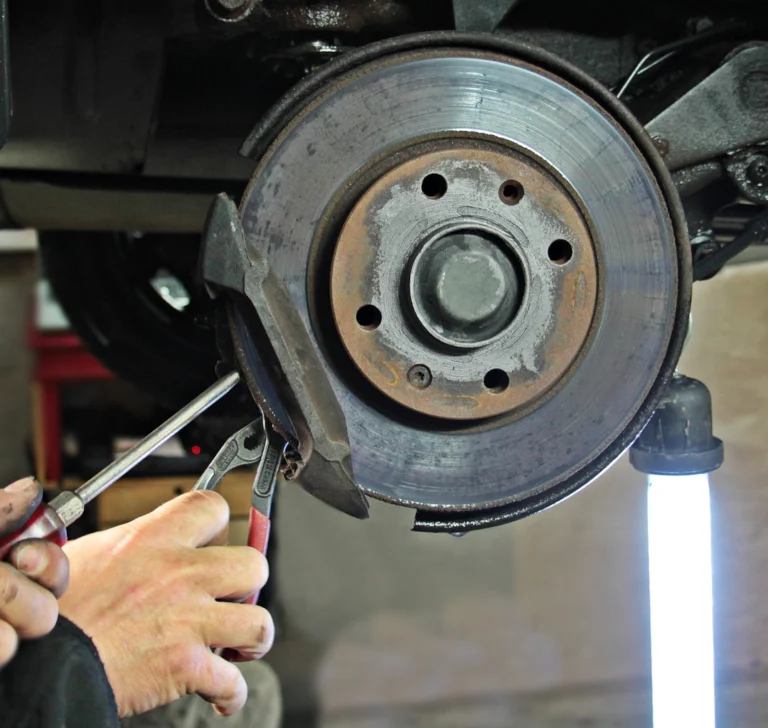
Brake Safety Week involves a thorough inspection by agents who evaluate multiple components of a truck's brake system.
This year, the CVSA Brake Safety Week will take place from August 24 to 30, 2025, with a focus on brake system safety across North America. This annual initiative emphasizes brake-related violations, one of the leading causes of accidents involving commercial vehicles. The inspection is conducted to encourage compliance with regulations, as failing an inspection can result in fines, out-of-service orders, and delivery delays.
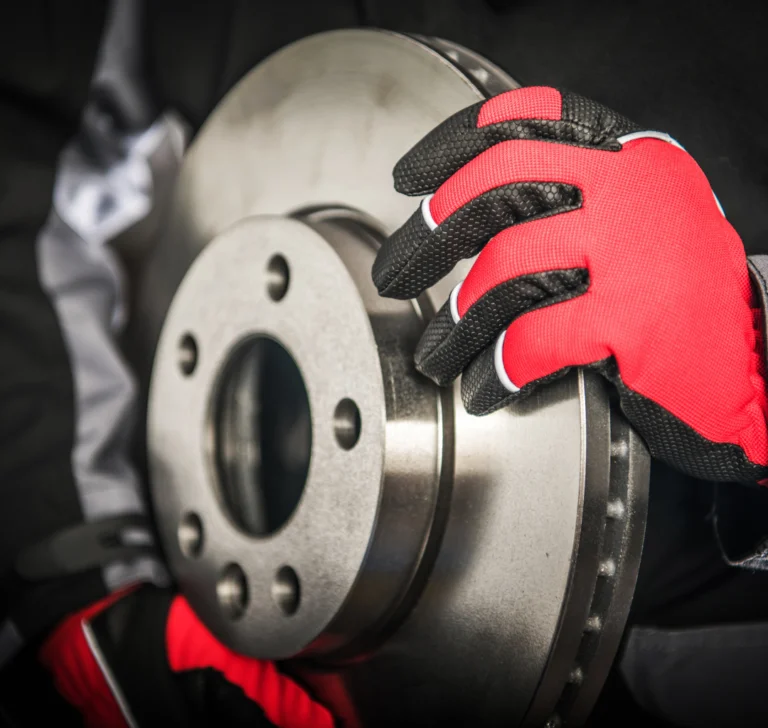
This year, Brake Safety Week will focus on brake drums and rotors. According to CVSA, issues with these parts can compromise brake effectiveness and may even detach from the vehicle, potentially causing serious damage or injury.

What areas will be inspected?
Brake Safety Week involves thorough evaluations by agents who inspect multiple components of a truck’s brake system. Although this year the inspection will focus on drums and rotors, inspectors will assess all brake system components. Key inspection areas, according to CVSA, include:
- Brake pads and shoes – proper thickness and even wear.
- Air brake systems – compressors, tanks, lines, and valves.
- Hydraulic brake fluid lines and levels – proper levels and no leaks.
- Brake drums and rotors – inspecting for cracks, deformations, and structural damage.
- Slack adjusters – correct position and operation.
- Brake warning systems – dashboard lights, indicators, and audible alarms.

How to prepare for the inspection?
For many drivers, avoiding inspections may seem like a way to pass them, but the importance of these events is often overlooked. These inspections emphasize the need to comply with safety regulations and maintain a good driving record. The best approach is to be prepared in advance, and it’s easier than it seems:
1. Inspect your brakes thoroughly
Before facing the CVSA inspection, make sure to perform one yourself. Check the following truck components:
- Air pressure levels and potential leaks.
- Brake pads and shoes.
- Brake lines and hoses.
- Warning lights, indicators, and alarms.
- Brake chambers and air tanks.
2. Schedule maintenance in advance
In addition to routine checks, don’t forget to take your truck to a certified mechanic for proper maintenance. Having a professional ensure everything is in working order gives you peace of mind, knowing that potential issues are caught before they become violations, ensuring compliance during the inspection.
Make sure to schedule maintenance in advance to ensure it’s thorough and of high quality.
3. Prepare your documentation
Keep your paperwork organized and ready. Make sure to carry your records in order, along with your ELD and DVIR data, as well as medical cards and certifications. Disorganized documentation may lead to more detailed inspections, while organized drivers usually pass through faster.

While you can’t always control the outcome of an inspection, you can make an effort to achieve the main goal: passing. With these three simple steps, we guarantee you’ll be fully prepared for the inspection.

Cargo Theft Increases During Memorial Day Weekend
Warning issued to carriers over rising cargo theft risk during Memorial Day weekend

Trucking Compliance Checklist (2026): What Does a Truck Driver Need to Stay Compliant?
Based on the most common questions, we created the basic compliance checklist every road driver needs to know.

Fraud in Trucking: New Biometric System Targets Shell Companies
The new system aims to stop fraud in the trucking industry through biometric controls, identity verification, and stricter federal oversight of carriers and commercial operators.

Memorial Day Traffic Expected to Reach Record Levels Across the U.S.
The American Automobile Association (AAA) predicts that this year will see a historic record number of travelers during the Memorial Day holiday.

Average Weekly Salary for U.S. Truck Drivers Reaches $1,804 in Q1 2026
The average weekly salary for company truck drivers increased by 11% during the first quarter of 2026, reaching an average of $1,804 per week.

World Cup 2026: Economic Impact Under Pressure
While FIFA projects record-breaking economic impact for the 2026 World Cup, sectors linked to tourism, hospitality, and logistics warn that the real scenario could be far more complex, with rising costs, operational strain, and infrastructure challenges across several host cities.