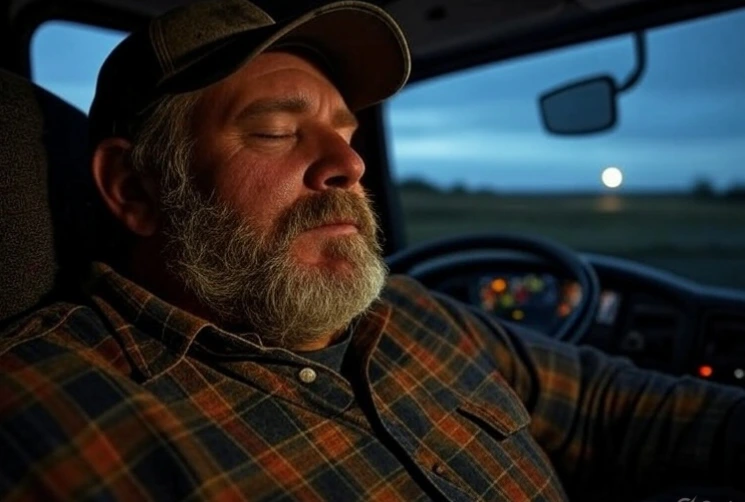
The science of sleep on the road is vital—not only for your own health, but also for the safety of everyone around you
Getting quality sleep is never easy when life is spent on the road. For long-haul truckers, rest is not just a basic need—it’s a critical safety factor. Yet, finding restorative sleep inside the cab comes with unique challenges: constant noise, vibrations, irregular schedules, stress, and the isolation of a nomadic lifestyle.
The impact of sleep deprivation on truck drivers
The American Academy of Sleep Medicine (AASM) warns that lack of rest among professional drivers is one of the biggest risk factors in highway accidents. Studies show that driving while drowsy can be just as dangerous as driving under the influence of alcohol.
According to the Federal Motor Carrier Safety Administration (FMCSA), fatigue is involved in 13% to 20% of all serious crashes involving heavy trucks. Sleep deprivation reduces reaction time, attention, and decision-making. Behind the wheel of a 40-ton vehicle, even a few seconds of distraction can be fatal.

Voices from the road
Truckers themselves acknowledge the struggle of sleeping in the cab. Noise from refrigeration units, extreme weather, or crowded rest areas often interfere with proper rest.
Carlos Méndez, a driver with 15 years of interstate experience, explains:
“You learn to sleep anywhere, but it’s never like being in your own bed. The trick is good ventilation, a decent mattress, and sticking to a routine. If I don’t sleep, I get irritable and lose focus behind the wheel.”
His testimony echoes medical advice: consistency in schedule and a proper environment are as vital as the number of hours slept.
Medical strategies for better rest
Sleep specialists recommend that truckers:
- Maintain consistent schedules, even on days off.
- Avoid caffeine 4–6 hours before bedtime.
- Block noise and light with earplugs, blackout curtains, or sleep masks.
- Take active breaks during the day to boost circulation and reduce stress.
A major concern is sleep apnea, which is especially common among truckers due to sedentary habits and weight issues. The FMCSA requires treatment for diagnosed drivers, since untreated sleep apnea can double crash risk.
Technology in the cab: mattresses, apps, and gadgets
The trucking industry is increasingly turning to technology to improve rest on the road. Examples include:
- Memory foam mattresses designed for cabs, to absorb vibrations and adapt to limited space.
- Sleep apps like SleepScore or Pzizz, which analyze rest patterns and suggest personalized routines.
- Artificial light glasses that simulate sunrise, helping regulate the biological clock and combat road “jet lag.”
- Portable climate systems for cabs, allowing stable temperature even in parking lots without power.
These tools not only improve sleep quality but also help prevent chronic fatigue, which impacts productivity and emotional well-being.
Road safety: rest is part of the job
In the trucking industry, sleep is not a luxury but a safety tool. Hours of Service (HOS) regulations in the U.S. set strict driving limits and minimum rest periods to prevent fatigue. Still, logging hours doesn’t always mean sleeping well.
That’s why more companies are investing in health and wellness programs, providing quality mattresses, offering training on sleep hygiene, and encouraging drivers to prioritize rest.
The science of sleep is clear: resting in poor conditions affects health and multiplies risks on the road. For truckers, learning to sleep well in the cab is as important as checking the brakes or maintaining the engine.
With support from technology—smart mattresses, apps, and artificial light gadgets—quality rest on the road is increasingly possible. The challenge now is for both companies and drivers to recognize that sleep is not wasted time, but an investment in safety, productivity, and quality of life.

Frozen Roads After Bomb Cyclone: Black Ice, Record Snow and High Risk for Trucks
Frozen roads continue to disrupt freight transportation following the impact of a powerful bomb cyclone, leaving behind black ice, highway shutdowns, power outages, and dangerous winter driving conditions stretching from the Gulf Coast to New England.

Lunar New Year 2026: Ancient Traditions, Renewed Energy, and Massive Celebrations
Lunar New Year 2026 begins on February 17 under the sign of the Fire Horse and is marked by spiritual rituals, family reunions, and large-scale celebrations in both China and the United States, especially in California.

Freedom 250 Grand Prix: How Logistics and Transportation Will Power the Race in Washington
The first-ever IndyCar street race in Washington, D.C., scheduled for August 21–23, will headline the United States’ 250th anniversary celebrations — and it will trigger a massive transportation, freight, and urban logistics operation behind the scenes.

Groundhog Day: What It Means for Trucking When “Phil Sees His Shadow”
The forecast from America’s most famous groundhog is calling for more winter — and that’s an important signal for the trucking industry and cold-season route planning

Love on the open road: the best dating apps for truckers
If you’re looking for someone to go the long haul with, here are the best dating apps for truck drivers. They say love is everywhere…

The most congested cities in the U.S. and the world in 2025
The annual TomTom Traffic Index produces a ranking of the most congested cities in the world. The annual TomTom Traffic Index presents an analysis of