The Commercial Vehicle Safety Alliance (CVSA) conducted its Road Blitz inspection campaign from June 9 to 13 in Canada and the United States.
The Commercial Vehicle Safety Alliance (CVSA) conducted its Road Blitz inspection campaign from June 9 to 13 in Canada and the United States. During this surprise inspection, 4,629 commercial motor vehicles transporting hazardous materials/dangerous goods (HM/DG) were inspected as part of the CVSA initiative.
This year, the CVSA reported that a total of 831 inspection decals were applied to the inspected commercial vehicles. However, 1,169 violations related to HM/DG were discovered, of which 598 (51%) resulted in the drivers being placed out of service. Despite the high figure, this number represents only 13% of the total vehicles inspected by CVSA during Road Blitz week.

Hazardous materials Road Blitz in the United States and Canada
Transporting hazardous materials (HM/DG) requires specialized training and strict compliance with safety regulations, according to the CVSA. For drivers and carriers, this means following rigorous procedures to avoid risks. Inspectors must conduct thorough vehicle checks, ensuring there are no leaks, that cargo is properly secured, and that all legal requirements are met, including proper documentation, placarding, labeling, and packaging.
During the five-day inspection and enforcement campaign, the CVSA stated that a total of 45 jurisdictions (10 Canadian provinces and 35 U.S. states) participated in the enforcement initiative. A total of 1,469 non-bulk packages/small containment means, 2,522 bulk cargo tank packages/large containment means, and 447 other bulk packages/large containment means were inspected.
In the United States, the most common violation was the lack of bulk package placarding. The HM violations with the highest numbers in the U.S. were:
- Lack of bulk package placarding – 104 violations
- Bulk package marking – 99 violations
- Bulk placards – 88 violations
- Bulk packaging – 74 violations
- No emergency response information – 70 violations
In Canada, the most frequent DG violations were:
- TDG training certificate – 61 violations
- Placarding of large means of containment – 37 violations
- Safety marks on large means of containment – 21 violations

Decrease in approval rate
The CVSA reported that around 18% (831) of the commercial trucks inspected during the safety campaign received decals indicating they passed the annual inspection. In the previous edition of this campaign, 3,929 inspections were conducted, and it was determined that over 85% of the vehicles had no significant violations. This shows a major shift and highlights the need to implement regulations governing the safety of truckers transporting hazardous materials.
The Road Blitz initiative is led by the CVSA Hazardous Materials Committee, which is made up of law enforcement officers and transportation industry professionals. Together, they work to reduce hazardous materials-related incidents and promote consistent and uniform enforcement of applicable regulations.

California Pushes for Greater Price Transparency for Zero-Emission Trucks
The state of California is requiring greater price transparency for zero-emission trucks under SB 1213.

U.S. Trucking Laws Congress Is Debating
Congress is debating laws that could directly affect truck drivers and fleet owners, from truck parking, ELDs and CDLs to speed limiters, freight fraud and autonomous trucks. Here’s what’s being discussed — and where truckers can track these proposals themselves.
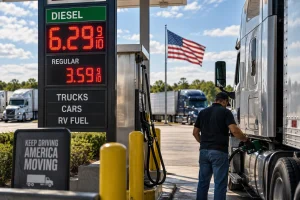
Airlines Cut Flights as Surging Fuel Prices Put Trucking Fleets on Alert
Higher fuel prices are already forcing airlines to cut flights. With diesel above $6 a gallon, trucking fleets are also taking a harder look at routes, loads and operating costs to protect their margins.

Trucking Influencers: Fashion, Glamour and Millions of Followers
Influencers driving big rigs, showing off custom trucks and bringing the trucking lifestyle to TikTok, Instagram and YouTube
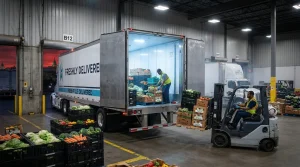
Fall Harvest Pushes Reefer Rates Higher Across Northern Freight Lanes
Washington’s fall harvest is tightening reefer capacity as fresh produce volumes increase, pushing reefer rates higher across key northern U.S. lanes.

Being a Parent From the Cab: The Other Life of a Truck Driver
Behind every truck driver, there is also a story that rarely appears on navigation maps: being a parent on the road.