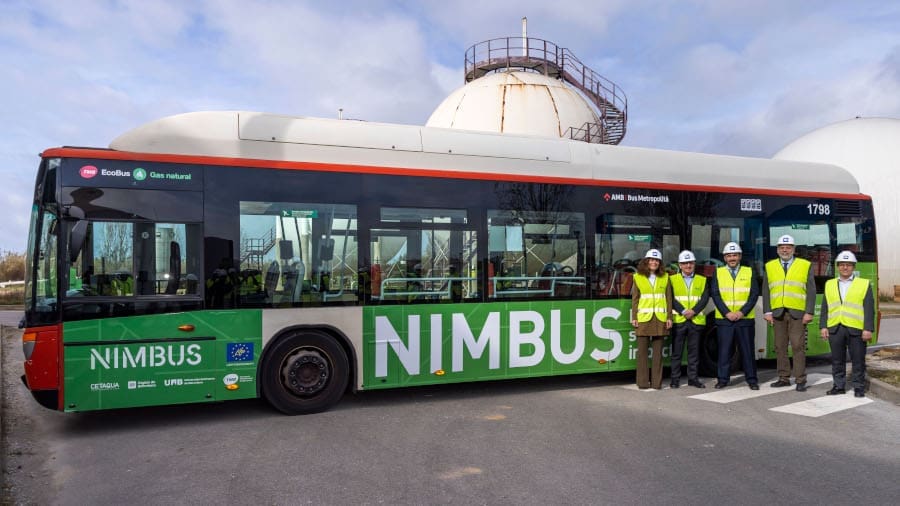
The bus, known as Nimbus, travels without using a single drop of conventional fuel… but a lot of human waste.
Clean energy for transportation has become a popular topic in the industry in recent years. While most people are familiar with electric and hydrogen-powered vehicles, have you ever imagined a truck running on… human waste?
Well, in Barcelona, this is already a reality. The V3 urban bus line runs through the city powered by sludge from wastewater, which is transformed into biomethane, according to the digital outlet Ámbito. This renewable gas reduces carbon dioxide emissions by 80% compared to traditional natural gas, making it a much greener, and surprising alternative.

Nimbus project: how does it work?
The vehicle, known as Nimbus, travels an average of 14,000 kilometers per year without using a single drop of conventional fuel. Nimbus has been in operation for five years and is the result of a collaboration between Aigües de Barcelona, Transports Metropolitans de Barcelona (TMB), the Autonomous University of Barcelona (UAB), and the technology center Cetaqua.
Researchers from Veolo, in collaboration with TMB and the Autonomous University of Barcelona, developed the project using a large treatment plant capable of processing 400,000 m³ of wastewater daily. After five years of work, they succeeded in producing a biofuel that emits 80% less CO₂ than natural gas.
The process transforms sludge into biomethane, allowing the V3 bus line to travel up to 100 kilometers a day. The resulting biogas contains about 65% methane and 35% CO₂, which is then purified and enhanced by adding hydrogen from renewable sources, reaching a high methane concentration suitable for distribution networks or gas-powered vehicles. Additionally, the process produces no unpleasant odors and significantly reduces emissions.
As a result, the biomethane used in the V3 line complies with the Euro VI emissions standards set by the European Union. The Nimbus project, with a budget of over 11 million euros, aims to meet the transportation needs of Barcelona’s peripheral areas, where electric buses are still not effective due to their limited passenger capacity and range.

A breakthrough in public transport and emissions reduction
The project represents a major step forward for public transportation and emissions reduction, not just in Barcelona, but across Europe. According to Barcelona Secreta, transportation accounts for nearly 30% of energy consumption in the European Union, yet less than 10% of fuels used are renewable. Brussels aims to raise this figure above 30% by 2030, and Spain has already committed to quadrupling its national biogas production.
After five years of successful operation, the Nimbus experience aims to continue expanding and supporting new projects. The goal of pilot projects like Nimbus is to scale up into large-scale industrial initiatives for public transportation based on truly renewable energy sources.
In short, the Nimbus bus is not just a curiosity, it offers a glimpse into the future of urban mobility, where today’s waste becomes tomorrow’s clean energy.
Who would’ve thought the answer was right under our noses all along…

Drive your stress away: techniques for truck drivers
Approximately 75% of truck drivers report feeling emotionally stressed at work, and very few have the tools to cope with these situations or seek help.

California vs. Washington: regulatory dispute over trucks in the U.S.
California, the most populous state in the country, wants to remove diesel trucks from its roads. Washington wants exactly the opposite. In between, thousands of fleets are left unsure about which engine to buy.

Volvo Pushes Beyond Diesel with New Hydrogen Combustion Truck Trials
Volvo Trucks is once again taking the lead, beginning road tests with heavy trucks equipped with hydrogen combustion engines.

Trucker Fashion: A Revolution Born on the Road That Still Sets the Trend
Trucker fashion remains relevant due to its authenticity, its seamless integration into streetwear, and its reinterpretation by luxury brands, consolidating itself as a revolution born on the road that evolved from a work uniform into a global cultural symbol

North Dakota among states regaining non-domiciled CDL authority
North Dakota will reissue approximately 150 of the 526 CDLs and CLPs for non-resident drivers that were active during the FMCSA audit.

The Growing Threat of Chameleon Fleets
A CBS ‘60 Minutes’ investigation exposes the rise of ‘Chameleon Fleets’ in the U.S. trucking industry.