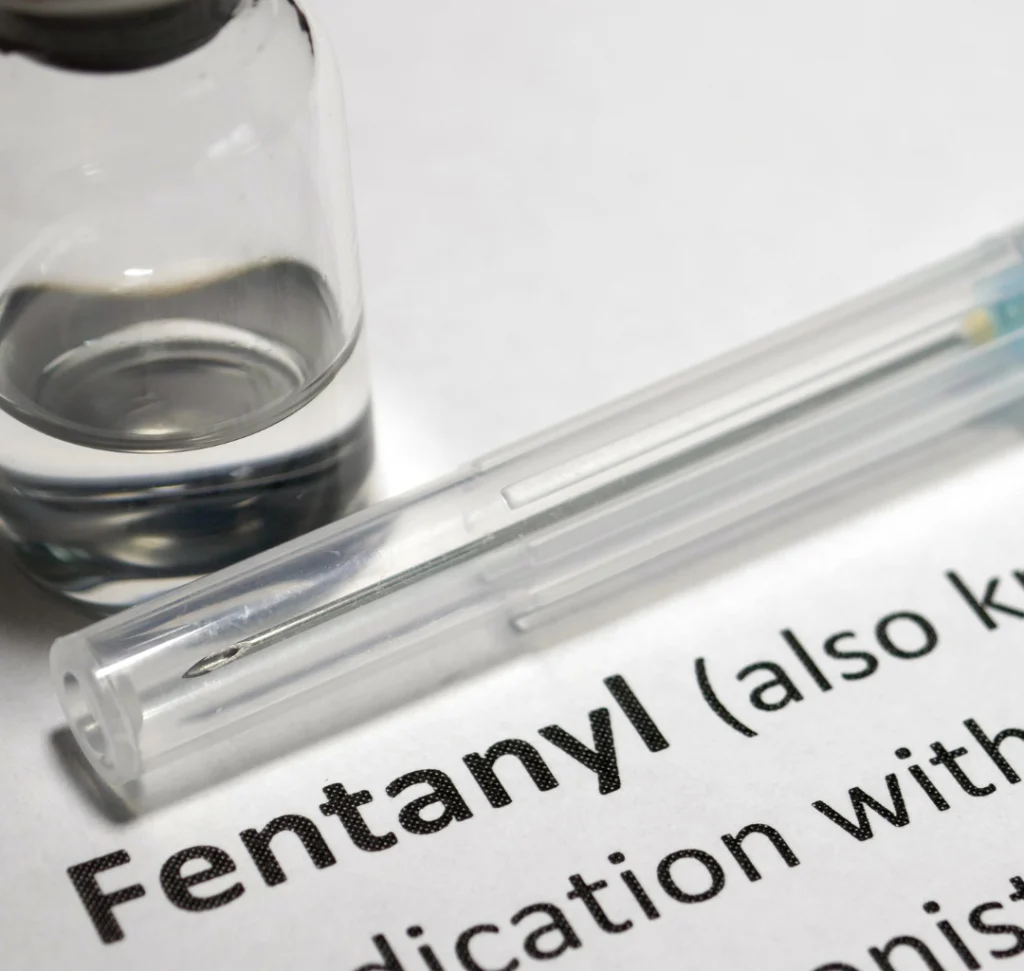
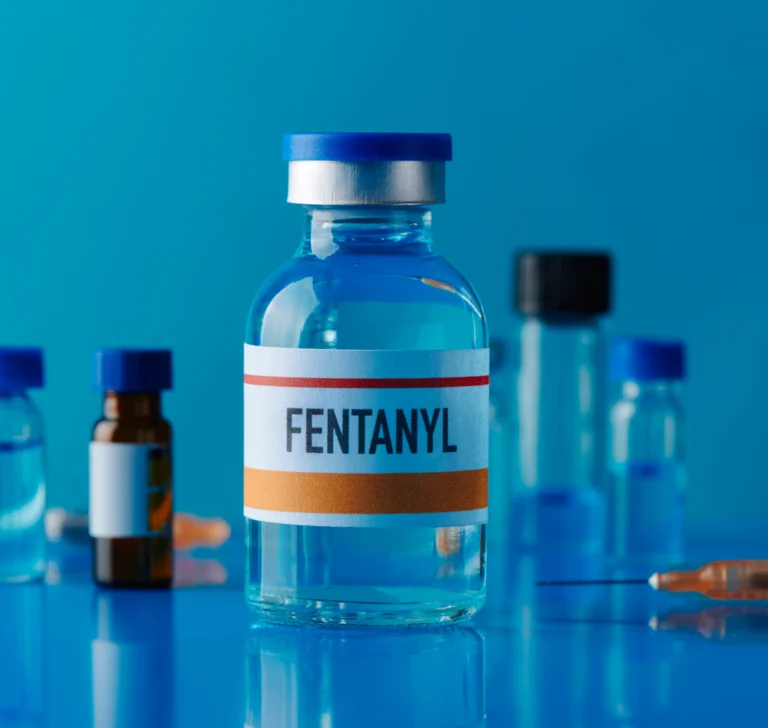
This decision comes in response to the alarming rate of overdose deaths linked to fentanyl use in the United States.
The U.S. Department of Transportation (DOT) has decided to take action in response to the growing public safety issue related to the use of the synthetic opioid fentanyl and its metabolite, norfentanyl. In a Notice of Proposed Rulemaking published on September 2 in the Federal Register, the DOT announced its intention to add both substances to its drug testing panels for truck drivers and other workers in the transportation sector.
This decision comes in response to the alarming rate of overdose deaths linked to fentanyl use in the United States. Norfentanyl will also be included, as it is a metabolite of fentanyl that enables the detection of the opioid in urine samples, thereby increasing the accuracy and effectiveness of the tests.

DOT to implement fentanyl and norfentanyl testing for truck drivers
Since 2015, authorities had been considering the implementation of fentanyl testing for truck drivers. However, it was not until 2023 that the DOT formally raised this possibility in a communication addressed to participants in its drug testing program. Finally, in January 2025, the Department of Health and Human Services added fentanyl to its approved panels for urine and oral fluid testing, and included urine testing for norfentanyl as well. This decision paved the way for truck drivers and other federally regulated workers to begin undergoing such tests, according to Transport Topics.
In this context, the DOT has confirmed its intent to officially implement these tests within the transportation industry. If the proposal is finalized, the DOT will need to amend its federal drug testing program regulations (49 CFR Part 40) to include both fentanyl and norfentanyl. The Department has opened a public comment period for feedback on the proposal, which will remain open until October 17.
The DOT points out that most fentanyl overdose cases are tied to its illicit manufacturing and distribution through illegal markets. The substance, which has effects similar to heroin, is the fourth most commonly identified drug by forensic laboratories, accounting for nearly 12% of all positive results in drug tests, according to the National Forensic Laboratory Information System.
Through this initiative, the DOT aims to strengthen safety within the trucking industry. It is estimated that adding fentanyl to the DOT drug testing panel, without requiring additional clinical exams, would cost approximately $18.1 million.
“Fentanyl is up to 50 times stronger than heroin and 100 times stronger than morphine,” the DOT stated, emphasizing the serious public safety risk this drug poses. “If identifying the use of illicit drugs among transportation employees performing safety-sensitive functions through drug testing prevents even one major accident, the benefits of this rule would outweigh its minimal cost,” the Department added.

What does the trucking industry say?
The American Trucking Associations (ATA) welcomed the DOT’s decision to include fentanyl in its drug testing program for transportation workers, such as commercial drivers. Fentanyl, found in illicit drugs and counterfeit medications, represents a growing threat. Companies in the sector have reported a significant increase in positive cases. Additionally, the ATA and its charitable arm, Trucking Cares, support public awareness campaigns highlighting the dangers of fentanyl, which causes more than 70,000 deaths annually in the U.S. and is the leading cause of death among young adults.

The best Christmas gifts for a trucker
Find the best Christmas gifts for truck drivers with these options based on their needs and personality. The holiday season is often a challenging time

Cannabis reclassification could affect the trucking industry, ATA warns
President Donald Trump signed an executive order directing his administration to reclassify cannabis into a less restrictive federal category, could this affect the trucking industry?

ATA Calls for Tougher Penalties Against Cargo Theft
Cargo theft has moved from being an industry nuisance to a national concern. The American Trucking Associations (ATA) warned Congress that the crime is draining billions from the U.S. supply chain, disrupting logistics operations, endangering drivers, and increasingly intersecting with organized crime and national security threats—prompting renewed calls for stronger federal penalties and coordinated enforcement.

The first Bipartisan Trucking Caucus
Led by a group of lawmakers who come together to pursue shared policy goals, the caucus will focus on the integrity, safety, and growth of

NDAA passed with new protections for truck drivers and military freight
Congress approved the National Defense Authorization Act, a key piece of legislation that includes provisions aimed at protecting truck drivers. Congress approved this week the

California to Reissue Contested Commercial Driver’s Licenses, Challenging Federal Pressure
California plans to reissue contested commercial driver’s licenses (CDLs), reopening a regulatory dispute with federal authorities and raising key questions for the U.S. trucking industry.