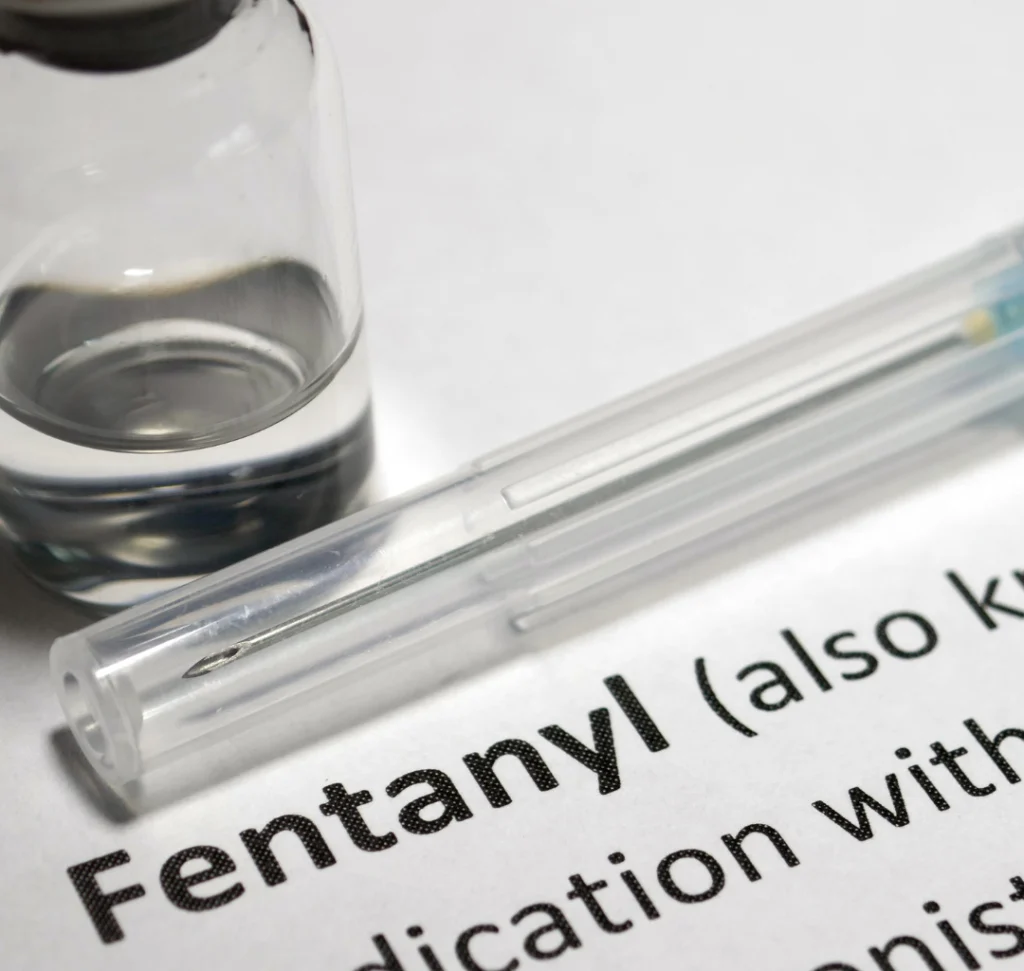
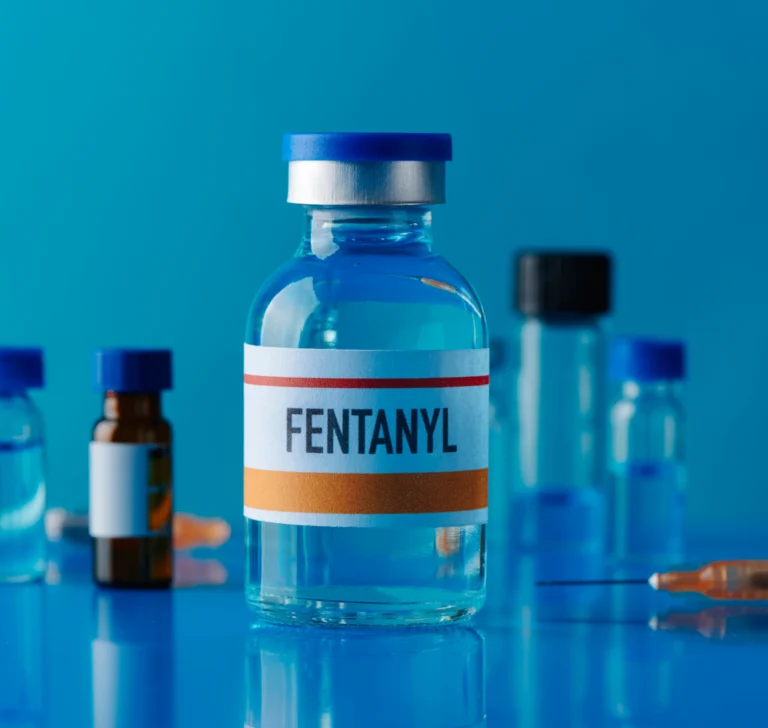
This decision comes in response to the alarming rate of overdose deaths linked to fentanyl use in the United States.
The U.S. Department of Transportation (DOT) has decided to take action in response to the growing public safety issue related to the use of the synthetic opioid fentanyl and its metabolite, norfentanyl. In a Notice of Proposed Rulemaking published on September 2 in the Federal Register, the DOT announced its intention to add both substances to its drug testing panels for truck drivers and other workers in the transportation sector.
This decision comes in response to the alarming rate of overdose deaths linked to fentanyl use in the United States. Norfentanyl will also be included, as it is a metabolite of fentanyl that enables the detection of the opioid in urine samples, thereby increasing the accuracy and effectiveness of the tests.

DOT to implement fentanyl and norfentanyl testing for truck drivers
Since 2015, authorities had been considering the implementation of fentanyl testing for truck drivers. However, it was not until 2023 that the DOT formally raised this possibility in a communication addressed to participants in its drug testing program. Finally, in January 2025, the Department of Health and Human Services added fentanyl to its approved panels for urine and oral fluid testing, and included urine testing for norfentanyl as well. This decision paved the way for truck drivers and other federally regulated workers to begin undergoing such tests, according to Transport Topics.
In this context, the DOT has confirmed its intent to officially implement these tests within the transportation industry. If the proposal is finalized, the DOT will need to amend its federal drug testing program regulations (49 CFR Part 40) to include both fentanyl and norfentanyl. The Department has opened a public comment period for feedback on the proposal, which will remain open until October 17.
The DOT points out that most fentanyl overdose cases are tied to its illicit manufacturing and distribution through illegal markets. The substance, which has effects similar to heroin, is the fourth most commonly identified drug by forensic laboratories, accounting for nearly 12% of all positive results in drug tests, according to the National Forensic Laboratory Information System.
Through this initiative, the DOT aims to strengthen safety within the trucking industry. It is estimated that adding fentanyl to the DOT drug testing panel, without requiring additional clinical exams, would cost approximately $18.1 million.
“Fentanyl is up to 50 times stronger than heroin and 100 times stronger than morphine,” the DOT stated, emphasizing the serious public safety risk this drug poses. “If identifying the use of illicit drugs among transportation employees performing safety-sensitive functions through drug testing prevents even one major accident, the benefits of this rule would outweigh its minimal cost,” the Department added.

What does the trucking industry say?
The American Trucking Associations (ATA) welcomed the DOT’s decision to include fentanyl in its drug testing program for transportation workers, such as commercial drivers. Fentanyl, found in illicit drugs and counterfeit medications, represents a growing threat. Companies in the sector have reported a significant increase in positive cases. Additionally, the ATA and its charitable arm, Trucking Cares, support public awareness campaigns highlighting the dangers of fentanyl, which causes more than 70,000 deaths annually in the U.S. and is the leading cause of death among young adults.

California: Scammers Impersonate FMCSA’s Motus System, Putting Trucking Companies’ Data at Risk
The Federal Motor Carrier Safety Administration (FMCSA) is warning trucking companies about four fraudulent websites impersonating its new federal registration system. Scammers are using emails that demand urgent updates to redirect carriers to fake portals. The warning also applies to California motor carriers.
Do You Know How Much Money Your Truck Has Lost Sitting Idle in 2026?
Hours spent waiting at warehouses and distribution centers continue to cost American truck drivers time and money. Federal research has estimated more than $1 billion in annual lost driver income, while the FMCSA explores new ways to address detention time and its impact on road safety.

The Incredible Story of a Grave in the Middle of an Indiana Road
On a rural road in Indiana, drivers must navigate around a grave that has remained in the same location since 1831. The story of Nancy Kerlin Barnett, her family, and an unusual engineering decision has turned this stretch of pavement into one of the state’s most famous roadside curiosities.

Autonomous Trucks: Who Places the Warning Triangles When There’s No Driver?
A federal exemption allows warning triangles to be replaced with cab-mounted beacons on certain autonomous trucks. The decision addresses how to warn approaching traffic when no one can step out of the cab.

Diesel in the USA: Which States Suspended the Tax—and Which Still Charge It?
Georgia, Ohio and North Carolina have introduced temporary fuel tax relief. Texas, Indiana, Illinois and Utah have different measures, with limits that truckers should understand before calculating potential savings.

Indiana and Ohio Pave the Way for Autonomous Trucking
Backed by an $8.8 million investment and federal transportation funding, Indiana and Ohio are developing a corridor to test automated trucks in real-world freight operations. The project aims to improve highway safety, logistics efficiency, and interstate autonomous vehicle operations.