This move is part of a broader effort by FMCSA to modernize its operations and provide a more efficient experience.
The Federal Motor Carrier Safety Administration (FMCSA) has announced that starting September 30, 2025, it will no longer accept paper payments, such as checks or money orders, for any transactions related to its services. This measure is part of the agency’s broader initiative to modernize its operations and deliver a more efficient experience for both users and administrative staff.
With this new policy, any payment made after the deadline must be completed electronically, using a credit or debit card through FMCSA’s official website. According to the agency’s announcement, the affected transactions include application fees for initial operating authority registration, legal name changes, reinstatements, civil penalty payments, and other fee-based services.

Modernization of payments for the FMCSA
The decision to eliminate paper payments is supported by White House Executive Order 14247, titled Modernizing Payments To and From the U.S. Government Account. According to FMCSA, electronic payments are faster, safer, and more efficient, helping reduce errors and lessen the administrative burden for both motor carriers and the agency itself.
FMCSA has been working closely with stakeholders to ensure a smooth transition. Over the past few weeks, an information campaign has been underway to ensure all entities are aware of the new process and have the resources needed to adapt to the change. The agency is also providing ample time for all members of the motor carrier industry to understand and begin implementing the new measures before the deadline.
Importantly, FMCSA noted that any paper check received after September 30, 2025, will not be processed and will be returned to the sender, which could result in delays in the requested services. As an exception, if a paper application is submitted, the applicant must complete the credit card information section on the form before sending it.

Additional guidance
For those needing further guidance, FMCSA provides specific resources. Entities responsible for insurance filing fees should refer to their monthly invoice for detailed instructions.
For matters related to operating authority registration, such as initial applications, reinstatements, or name changes, it is recommended to visit FMCSA’s registration portal. Additionally, users may contact the agency’s Contact Center at 1-800-832-5660 for personalized assistance.

Indiana Detects Violations During Oversized Load Enforcement Operation
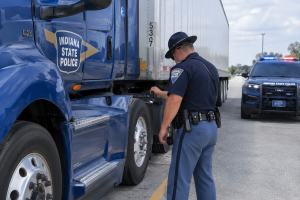
The operation involved state troopers and motor carrier inspectors working together to verify trucks transporting oversized loads in Indiana.

DOT Brings Freight Leaders Together to Reduce Cargo Delays
More than 54 million tons of goods move through the U.S. freight network every day. The DOT brought together over 100 industry leaders to reduce delays and logistics costs through its FLOW program

Pythons Spread to New Areas of Florida, Posing a Challenge for Trucking
The discovery of a new breeding population in Charlotte County, near I-75 and US-41, raises potential concerns for truck drivers, trailers, and logistics facilities across Florida. How these invasive snakes could hitch a ride in commercial vehicles.

Nevada’s Runaway Ramps Save Lives
Runaway ramps on highways help stop vehicles experiencing brake failure, saving lives on the road.

California Highway Patrol Inspections: What They Check on Commercial Trucks and How to Prepare
Learn what the California Highway Patrol checks on commercial trucks in California, including brakes, tires, documents, hours of service, and safety.

Indiana, the RV Capital of the World: The Business Behind America’s RV Industry
Indiana accounts for the vast majority of RV manufacturing in the United States. But behind the factories is a lesser-known business: delivering brand-new recreational vehicles to dealerships across the country. Who are the drivers making these trips, how does the delivery business work, and when is a commercial driver’s license (CDL) required?